Fitness, Nutrition, Health and Sports Blog In the HSNstore Blog you will find tips about Fitness, sport in general, nutrition, and health – HSNstore.com

“The weight seen on your scales isn’t real”, hold onto that thought.
If you’re looking to improve your image, you shouldn’t focus exclusively on weight: the scales don’t tell you everything. In this post, we explain why.
How can the scale lie about your weight?
There’s a widespread tendency to take your body weight as a direct marker of your health and aesthetics.
This is extremely reductionist, and, in the long run, can be counterproductive.
Today you’ll find out why weight, except in extreme cases, is a bad indicator of your physical health.
Every day my inbox overflows with messages like: “Borja, in the last week I’ve only lost 600 grams.”
What can we do?
To overcome this frustration, we need to understand several things:
- Weight loss is not always an indicator of better health.
To give an example, if you lose 10 kg, but 50% of that weight is fat-free mass (bone, muscle), probably, in the long term, you’LL have worsened your health. And this is the way a lot of people lose weight, unfortunately.
Despite this, the initial feeling is usually one of euphoria (“I’ve managed to lose 10 kg!”).
- Weight loss is not linear.
You can’t expect, even when doing things well, to always see a lower number on the scale than you saw yesterday. Your success or failure cannot be derived from that number, because that number is misleading and depends on many uncontrollable variables.
- There are innumerable factors that influence the inter-daily oscillations in body weight, which will be discussed below.
When dieting, the important thing is to lose fat not weight
We have more tools helping us go beyond body weight all the time, making it easier for us to help patients and clients in a better way.
In my usual clinical practice, it’s common to see patients with similar weights but totally conflicting clinical situations, which can only be revealed with techniques like muscle ultrasound, for example.
The dietary interventions, the supplements to be used, and even the prognosis are very different in both cases.
When they came in through the door of the consultation and weighed themselves, there were no visible differences.

These differences only become apparent when we go beyond weight and evaluate the different body components.
And we have to make society aware o this: you have to go beyond weight.
In any diet or attempt at weight loss, up to a third of the weight lost is fat-free mass, i.e. bone or muscle. This can be minimised of course, with interventions such as strength training, which should be mandatory in any weight loss context.
Differences between losing fat alone or fat and muscle
They are huge:
First, the risk of “relapse” is much higher in the second case.
There seem to be multiples reasons for this:
- Muscle produces myokines that regulate appetite and activate metabolism.
- Loss of muscle leads to a decrease in basal metabolic rate.
- Less muscle leads to poorer functionality, more asthenia and lower physical performance.
- Muscle “converses” continuously with bone, and its loss is usually accompanied by loss of bone mineral mass.
- Less muscle correlates in the long term with increased insulin resistance and chronic low-grade inflammation.
How do I lose weight correctly?
There is no single way to lose weight correctly.
The path of weight loss is different in each context and in each individual. But there are some factors common to good weight loss, which we could define as:
Strength work
This is the intervention that, most effectively and efficiently, will decrease (never eliminate) the loss of lean mass.
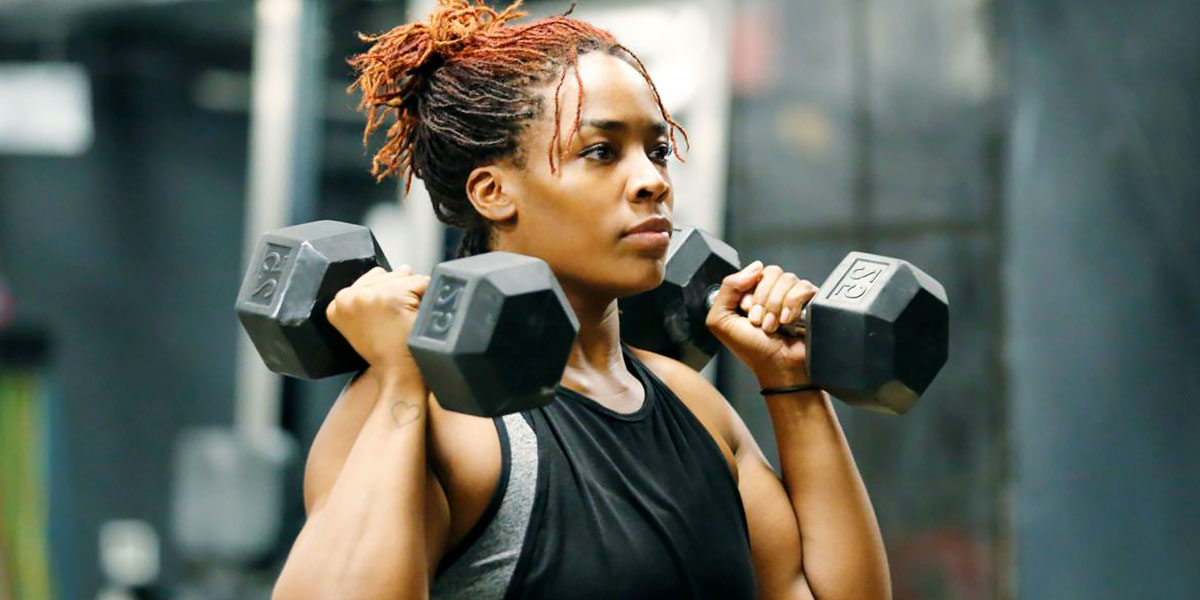
It doesn’t require spending two hours a day in the gym.
Avoid giant calorie deficits
In the world of weight loss, quick fixes are almost never good.
From a behavioural point of view, the “speed” of it leaves no room for a sustained change of habits.
Increase the amount of protein
Together with physical exercise, this is the most effective intervention shown when it comes to maintaining muscle.
An intake of 1.5 grams of protein x kg of body weight, or approximately 1.8 g/kg of fat-free mass is sufficient.
What other elements affect weight loss?
- Menopause. It is particularly difficult to achieve the desired weight loss in the peri-menopausal years. This is due to hormonal, but also behavioural changes, which are often imperceptible to most women.
- Menstrual cycle timing. At the ovulatory peak and in the second phase of the cycle (luteal phase), it is normal for there to be a greater degree of water retention due to the effect of the gestagens.
- Medicines. Many, such as psychotropic drugs, directly alter metabolism. Others, such as antibiotics, interfere with microbiota in the long term.
- Pathologies. We could make an immense list, but any pathology that conditions a reduction in physical activity (the majority) and a loss of lean mass will generate greater resistance to weight loss.
- Glycogen. After carbohydrate intake your weight can fluctuate quite a lot as your muscles fill up with glycogen. And this is perfectly normal.
- Supplements. Creatine monohydrate, for example, increases intracellular volume and hydration and makes you gain, in the first few weeks, an average of 2-3 kg of body weight, which is not fat in any case.
How and when should I weigh myself?
We can’t give general guidelines for this. They’ll depend on your starting point.
- If your weight is extreme (grade 3 obesity and above), weigh yourself once a week or even every two weeks.
- If you are slightly overweight, weigh yourself weekly.
In general, I don’t recommend daily weighings, and if you are doing so, it’s better to take the weekly average of measurements to smooth out those oscillations that will be sure to occur.
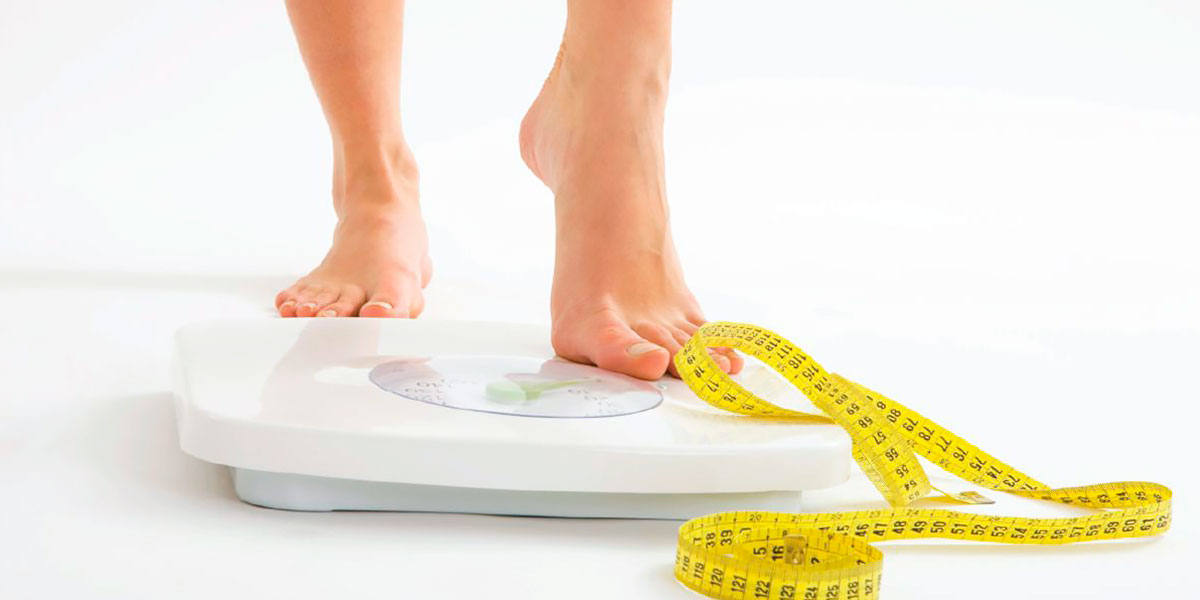
And always check at the same time and, if possible, under the same conditions (fasting, after going to the bathroom).
Tips
- Use the weekly average.
- Don’t ever obsess about the number on the scales: it matters less than you think.
- Always do it at the same time and under the same conditions.
- Weight loss is not linear, always keep this in mind.
- Use other better markers of health: how long it takes you to run 1km, your deadlift or squat amounts, or simply the quality of your night’s rest.
- If you do lose weight, take care of your muscles liek your life depends on it. In a way, this statement is true.
If you liked the post and found it useful, don’t forget to share it.
Related Entries
- Why is NEAT important for losing weight? We tell you what we think about it.
- Strength training for weight loss, click here and discover the most important points.