 Fitness, Nutrition, Health and Sports Blog In the HSNstore Blog you will find tips about Fitness, sport in general, nutrition, and health – HSNstore.com

Why do many people feel calm when they eat food? Do you come home and rummage through the cupboards for a snack? If you’re wondering what’s behind the anxiety and how to put an end to this behaviour, keep reading this article we’ve prepared for you.
Causes of Eating Anxiety
The urge and impulse to eat whatever food is in front of a person, without thinking about the consequences or nutritional value, is what can be called eating anxiety.
It is most often related to depression, distress, and even boredom, and can even lead to the development of a serious eating disorder, such as bulimia.
Emotional
1. Unwillingness to manage feelings and situations
The repression of certain occasions or emotions labelled as negative, such as pain or stress, is considered to be the main emotional reason why a person chooses to overeat.
2. Food as the sole source of pleasure
Finding pleasure only in food, usually sweets, can be one of the main causes of eating anxiety.
3. Using food as a punishment or reward
Using food as both penance and remuneration tends to lead to isolation and confusion.
Hormonal
4. Insufficient Leptin levels
Leptin, a hormone secreted by lipid cells, has among its main functions to regulate the amount of food ingested.
It is responsible for sending signals to the brain to indicate satiety after a meal, thus limiting the amount of food consumed.

It also inhibits the hormones that signal appetite and increase metabolic expenditure, which means it plays a key role in regulating metabolism.
5. Increased Ghrelin levels
As an appetite stimulant and facilitator of fat accumulation in the body, Ghrelin is considered to be just as relevant as its predecessor, Leptin.
Ghrelin is produced inside the stomach only when it is empty, seeking to send a signal to the brain that indicates the need for food.
The route taken by the hormone is the same as all the others: starting in the bloodstream and ignoring the existing haemato-encephalic obstacles, it reaches the hypothalamus and sends the message.
6. High Cortisol levels
Cortisol is known as the stress hormone, secreted only when a person is going through stressful situations.
When produced, it causes the body to increase glucose levels, which provides the body with energy, while blocking insulin so that insulin and fats are stored in the body.

In addition, it also contributes to an increase in the number of heartbeats per minute, pumping blood faster through the blood vessels.
Taking into account everything we have seen so far, let’s see:
Techniques and solutions to avoid eating anxiety
1.- Consult a specialist
To be able to identify and find out what the source of the problem is; be it a psychologist, a nutritionist or an endocrinologist.
2.- Establish feeding patterns
Such as specific meal times, taking care not to skip any.
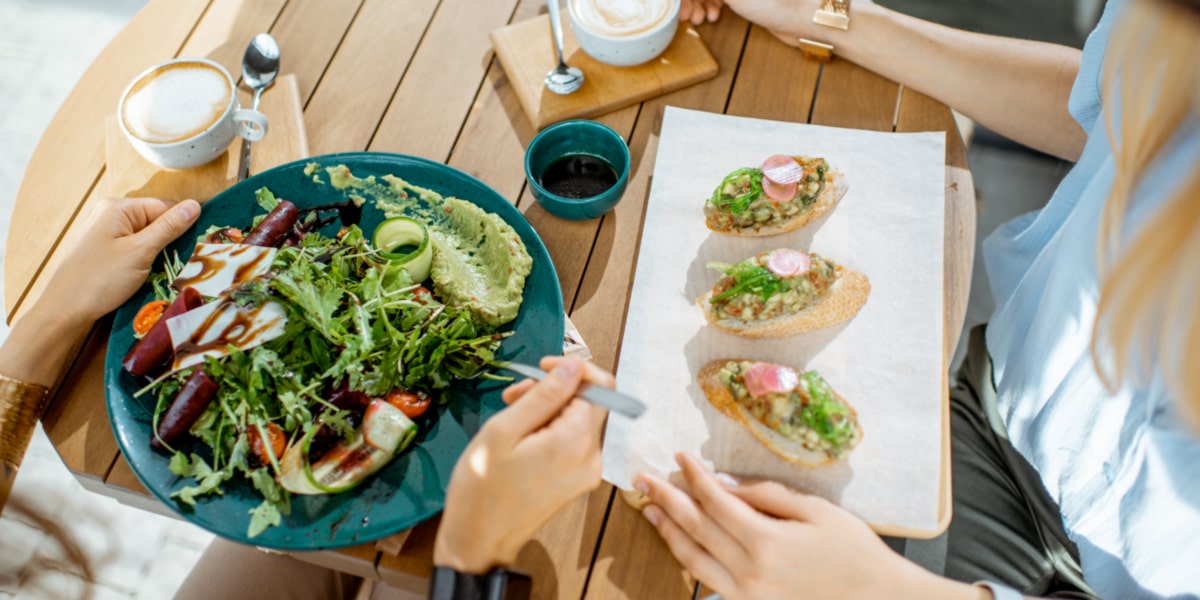
Because, as the body gets used to the routine, both Ghrelin and Leptin are produced on a regular basis.
3.- The diet should be balanced and in accordance with the body’s needs
That is, it will depend mainly on the amount of exercise you do on a daily basis and the amount of nutrients you need.
4.- Exercising contributes to the reduction of Cortisol levels
As well as sleeping at least 7 hours a day. Rest not only affects the stress hormone, but also Leptin.
5.- Have healthy snacks for anxious times
This way, weight gain will not be part of the problem.
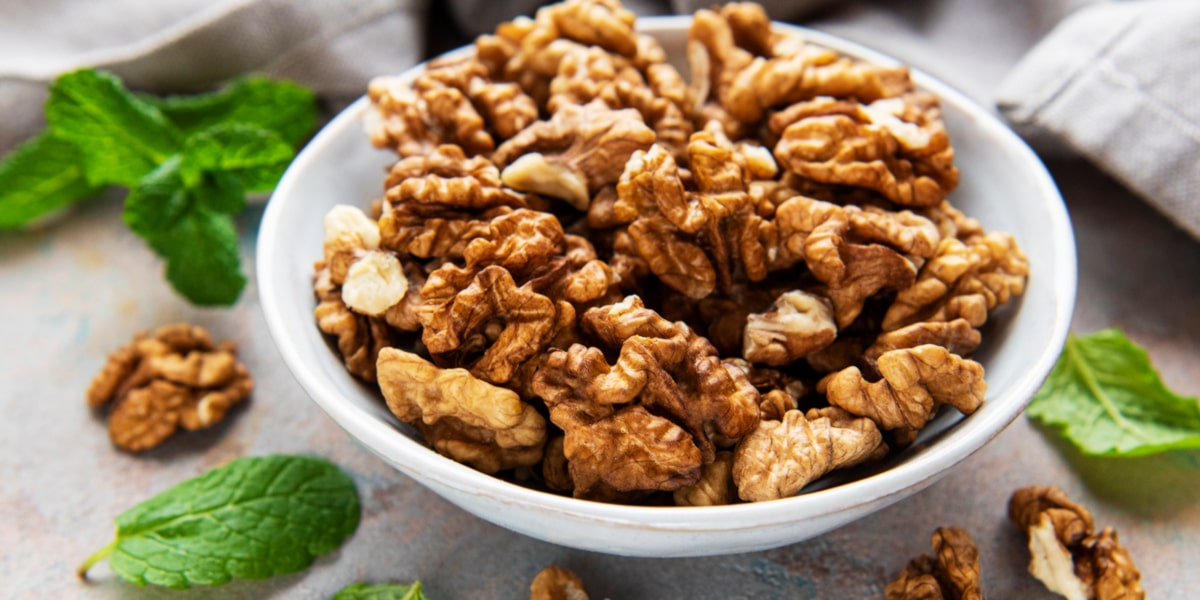
A perfect example is walnuts, as they are rich in vitamins and fibre; certain pickles are also considered ideal for controlling anxiety, as they contribute to satiety.
6.- Drink water before each meal
Since it helps to reduce anxiety and even appetite because it produces satisfaction.
7.- Engaging in hobbies that entertain the mind
This way we can keep our mind busy when anxiety is at its worst.
8.- Choose to raise serotonin levels
This is advisable, because when it is low, stress and irritability occur more easily.
To this end, doing enjoyable activities and eating foods such as pineapple or spinach, help to increase their levels in the body.
9.- Take food supplements
You can try other healthy alternatives.
10.- Reduce sugar consumption and any foods with high levels of caffeine
For this purpose, it is recommended to use stevia as a sweetener and to drink tea or natural juices rich in vitamins and minerals.
Bibliographic sources
- “Comer sin ansiedad” Robb Wolf, Editorial: Libros cúpula
- “Adiós, ansiedad” David, D, Burns
- “A dieta sin ansiedad” Luis Carmona Martínez
- “Como dejar de comer compulsivamente” Robert Sánchez
- Ansiedad por comer: origen características y como vencerla
- Combate la ansiedad y controla tu apetito
- ¿Cómo combatir los excesos y la ansiedad frente a la comida?
- Leptina y Ghrelina, ¿las hormonas del hambre?
- Beta blockers: How do they affect exercise?
- La acción de la hormona ghrelina aumenta el apetito y favorece la acumulación de grasa abdominal
Related Entries
- What is Orthorexia?
- Meditation as a Natural Remedy for Anxiety
- Sport Improves Mood
- Exercise and Mental Health