Fitness, Nutrition, Health and Sports Blog In the HSNstore Blog you will find tips about Fitness, sport in general, nutrition, and health – HSNstore.com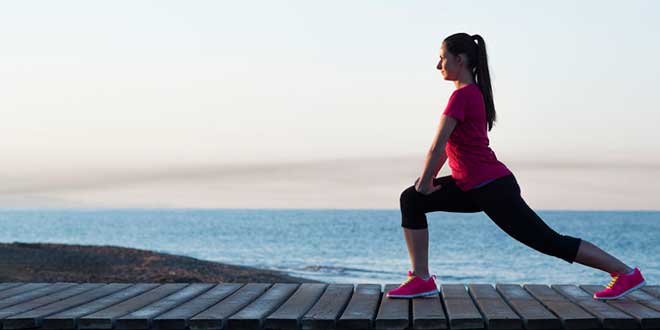

It’s well known that stretching gives you good flexibility, which brings positive benefits to muscles and joints. But this isn’t just recommended for athletes
It helps prevent injuries, reduce muscle discomfort, and improve performance in all physical activities. Increasing flexibility can also boost quality of life and functional independence.
How many stretches should a person do per day?
Usually, most stretching routines are pretty short, rarely going over 5 minutes. It’s recommended to stretch 4 to 5 days a week.
When’s the best time to stretch?
Any time is good to stretch a bit, but if you’re an athlete, we recommend stretching at the start and end of your workout. Stretching in the morning, when muscles are still “asleep,” offers lots of benefits.
Benefits of Stretching
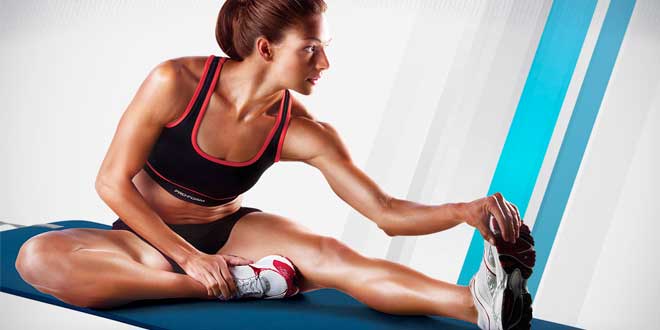
Here are some benefits you get from following a regular stretching program:
- Improves flexibility, endurance (muscle stamina), and muscle strength. The benefits depend on the stress placed on the muscle. Medium to intense stretches are recommended.
- Reduces discomfort and muscle soreness.
- Good muscle and joint mobility.
- More efficient muscle movements and smoother motor control.
- Greater ability to exert maximum strength through a wider range of motion.
- Prevents some lower back issues.
- Improves appearance and personal image.
- Better body alignment and posture.
- Enhances warm-up and cool-down during exercise sessions.
- Prevents muscle soreness.
General Recommendations for Stretching
- Make sure to include all major muscle groups in any stretching program.
- Do at least two different stretches for each joint movement.
- Before any physical activity, do light stretches as part of your warm-up.
- After any workout, cool down with medium-intensity stretches.
- If muscles are sore after exercising, do only light stretches two or three times, holding each for 5 to 10 seconds.
- If muscle discomfort lasts for the next few days, keep doing light stretches.
- Most stretches should be static.
Some Interesting Facts
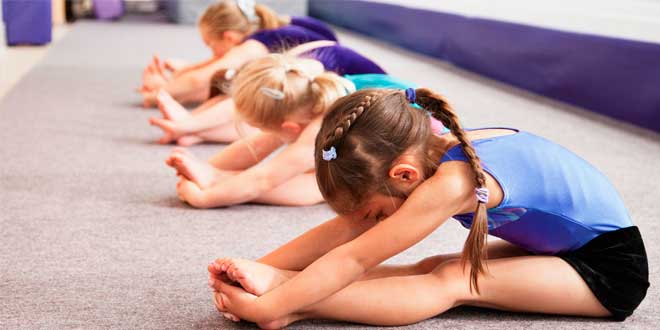
- Age affects flexibility. Younger people are naturally more flexible than older ones because connective tissues in muscles tend to shorten and lose elasticity over the years, causing tightness and muscle stiffness.
- Gender also plays a role. Women are generally more flexible than men.
- Active people are more flexible than inactive ones.
Studies and Sources
- Montero-Marín J, Asún S, Estrada-Marcén N, Romero R, Asún R. [Effectiveness of a stretching program on anxiety levels of workers in a logistic platform: a randomized controlled study]. Aten Primaria. 2013 Aug-Sep;45(7):376-83. doi: 10.1016/j.aprim.2013.03.002. Epub 2013 Jun 12.
Related Posts
- Recover actively with stretching
- Benefits of Mobilizing
- What is the Foam Roller?
- 5 Stretches for Pole Dance
- 6 Stretches for the Psoas
- Flexibility, the great unknown ally