Fitness, Nutrition, Health and Sports Blog In the HSNstore Blog you will find tips about Fitness, sport in general, nutrition, and health – HSNstore.com

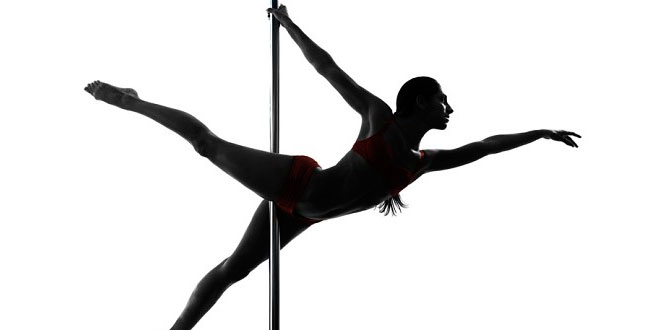
The popularity that pole dance has gained in recent years is no coincidence. Its success is mainly due to the important benefits it brings to physical and mental health, the calories it helps burn in an hour of training, and the versatility of its practice.
To train pole dance, you need a fixed vertical pole and constant, specific exercise that helps achieve greater flexibility and a lot of muscle strength. A considerable warm-up before and after is required to avoid injuries and take care of the joints.
Besides being a high-performance and strength workout, pole dance greatly influences the mental health of those who practice it, helping to boost self-esteem, control emotions, reduce stress, and have fun.
Although the exercises aren’t easy at first, it’s possible to start working on the floor with spins and transitions, then build the skill and muscle strength needed for a solid training session. Pole dance is also considered a very complete workout, combining both strength and cardiovascular work, and can burn up to 500 or 600 calories in an hour.
What are its main benefits?
- All muscles in the body are worked and toned.
- It helps improve flexibility.
- It promotes toxin elimination.
- By working against gravity, it uses your own body weight, protecting the bones.
- It allows you to burn calories and lose weight.
- It boosts endorphin production, reduces stress, and stimulates creativity.
- It increases heart, lung capacity, and circulation.
Men’s pole dance
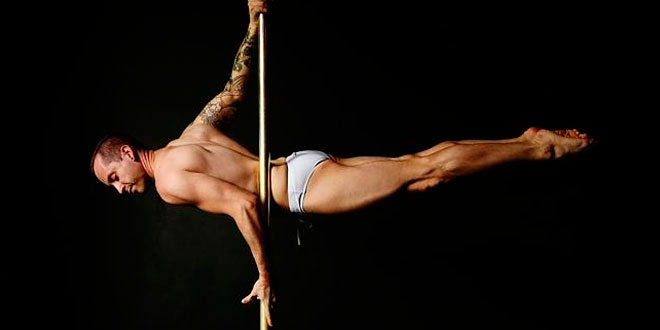
Although pole dance is more common among women, training among men has grown a lot and caught on. The benefits are the same for both genders, with very high calorie burn and the body gaining great strength and toning.
Without focusing too much on the technical side or the more sensual aspect of pole dance, men’s physical characteristics usually give them great control and significant power when performing the exercises.
Losing fear and forgetting stereotypes and prejudices means choosing a complete, fun workout that helps tone the whole body.
Pole dance and calisthenics
Calisthenics is a type of physical training that focuses mostly on muscle group movements rather than power or muscle mass gain. Its practice has increased worldwide because it’s a low-impact and very motivating activity.
The main similarities between both sports are the use of body weight, body shaping, gaining greater flexibility and physical strength, and focusing on movements and proper work of all muscles.
Also, both practices aim for skill, grace, and beauty in the exercises, even prioritizing these over muscle mass gain. Their workouts help improve posture, prevent injuries, and protect joints since they consist of harmonious, balanced exercises that work the whole body. This also gives the athlete the freedom to have their own body as the engine.
Who can practice pole dance?
Training pole dance requires professional guidance and follow-up, especially for beginners. Classes should be as personalized as possible and start with spins, transitions, and floor exercises until people gain the strength and confidence needed.
Although with progressive and proper training anyone of any age can do this activity, it’s usually not recommended for those with spine problems, osteoporosis, or wrist or ankle injuries. In these cases, it’s advised to consult a doctor beforehand to avoid health issues.

Conclusions
Pole dance improves balance and coordination, while toning legs, arms, and glutes and working the abdominal area intensely. It boosts energy and self-esteem, reducing stress and stimulating sensuality. Its training is very versatile, offering a wide range of intensity levels so each athlete can find their own limits and work their body according to their abilities. The benefits of this practice are many and worth the risk of losing fear and embarrassment and giving it a try.