Fitness, Nutrition, Health and Sports Blog In the HSNstore Blog you will find tips about Fitness, sport in general, nutrition, and health – HSNstore.com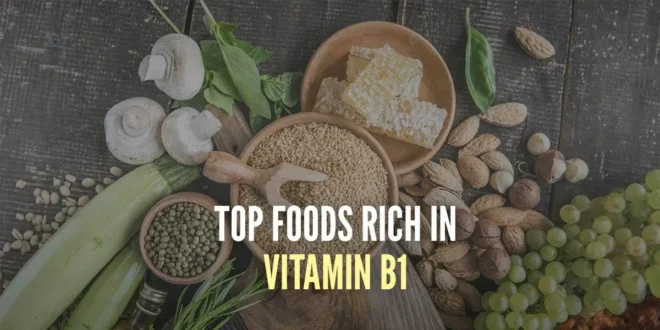

Vitamin B1, also known as thiamine, is crucial for carbohydrate metabolism, energy production, and nervous system function.
Here is a list of foods rich in vitamin B1:
| Food | Vitamin B1 per 100g |
| Spirulina | 3.3mg |
| Wheat Germ | 2mg |
| Whole Grains | 2mg |
| Lentils | 0.5mg |
| Flaxseeds | 1.64mg |
| Sunflower Seeds | 1.48mg |
| Yeast | 1.2mg |
| Pork Tenderloin | 0.83mg |
| White Beans | 0.5mg |
| Hazelnuts | 0.45mg |
| Walnuts | 0.34mg |
| Peas | 0.3mg |
| Mussels | 0.3mg |
| Tuna | 0.22mg |
| Salmon | 0.2mg |
| Asparagus | 0.2mg |
| Brown Rice | 0.2mg |
| Egg | 0.1mg |
| Kale | 0.1mg |
| Potato | 0.1mg |
| Orange | 0.1mg |
What is the daily required dose of vitamin b1?
The recommended daily amount of vitamin B1 (thiamine) varies depending on age, gender, and specific conditions like pregnancy and lactation:
- Adult men: 1.2 mg/day
- Adult women: 1.1 mg/day
- Pregnancy: 1.4 mg/day
- Lactation: 1.4 mg/day
How to Incorporate These Foods to Meet Your B1 Needs
Here are some practical ideas and tips:
1. Breakfast:
- Whole Grains: Choose whole grains or B-vitamin-fortified cereals to start your day. Combine them with milk or a milk substitute and fresh fruits for a balanced breakfast.
- Nutritional Yeast: Sprinkle nutritional yeast on your toast, avocado, or scrambled eggs for a thiamine boost.
2. Lunch and Dinner:
- Meat and Fish: Include portions of pork or fish like trout in your main meals. These can be baked, grilled, or steamed with a variety of herbs and spices for a delicious dish.
- Legumes: Lentils and beans can be the base for soups, stews, or salads. You can also make vegetarian burgers or use them as fillings in tacos and burritos.
- Leafy Green Vegetables: Although they aren’t the richest sources of vitamin B1, adding spinach, chard, or kale to your dishes increases the essential nutrients you consume.
3. Snacks:
- Seeds and Nuts: Sunflower seeds or almonds are excellent thiamine-rich snacks that you can easily take with you.
- Fruits: While fruits are not particularly rich in vitamin B1, some, like oranges and watermelons, can contribute to a balanced nutrient intake.
Planning your meals and snacks ahead of time can help ensure you’re incorporating enough thiamine-rich foods.

How Does This Vitamin Influence Athletic Performance?
Vitamin B1, or thiamine, plays a crucial role in energy metabolism and can significantly impact athletic performance. Here are some ways in which vitamin B1 influences physical activity:
- Conversion of Carbohydrates into Energy: During intense exercise, the body relies heavily on carbohydrates as a quick fuel source, so adequate thiamine intake is essential for maintaining energy levels and performance.
- Nervous System Function: Sufficient thiamine levels are necessary for the efficient transmission of nerve impulses, which play a crucial role in coordination and muscle reaction during physical activity.
- Cardiovascular Health: It contributes to the proper functioning of the heart, which is essential for athletic performance, as a healthy heart can pump blood more efficiently, delivering oxygen and nutrients to working muscles.
- Fatigue Prevention: A deficiency in vitamin B1 can lead to fatigue and reduced physical performance. Ensuring adequate thiamine intake can help prevent fatigue, allowing athletes to train more effectively and for longer periods.
- Muscle Recovery: While the primary role of vitamin B1 is related to energy and nervous system function, getting enough B vitamins in general can aid in muscle recovery by supporting tissue repair and growth.
Athletes, especially those engaged in long and intense training, may have increased vitamin B1 needs due to higher carbohydrate metabolism and energy demands. Maintaining a balanced diet rich in natural thiamine sources and, in some cases, supplementing with B vitamins, can be an effective strategy for optimising athletic performance and recovery.
Conclusion
- These recommendations serve as a general guide to ensure adequate vitamin B1 intake.
- Athletes may want to pay special attention to increasing their vitamin B1 intake.
- You can achieve these amounts with a balanced diet that includes thiamine-rich sources like whole grains, meats (especially pork), legumes, nuts, and seeds.
- Incorporating a variety of these foods into your diet can help you meet your vitamin B1 requirements, benefiting your energy metabolism and nervous system function.
Related Posts
- The Best Vitamins to Take in Summer
- Vitamins to Stimulate Appetite in Adults
- How to Boost Your Training with Vitamins
- Do You Need More Iodine in Your Diet? Discover the Best Foods Here