Fitness, Nutrition, Health and Sports Blog In the HSNstore Blog you will find tips about Fitness, sport in general, nutrition, and health – HSNstore.com

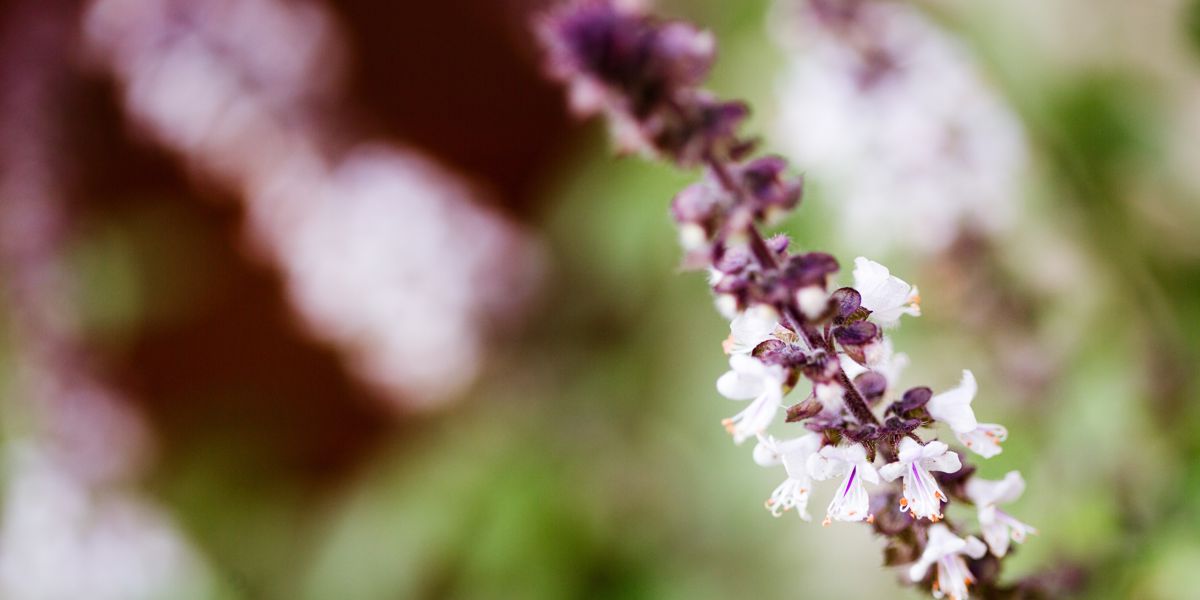
- The holy basil, or tulsi, is an aromatic plant with a short life cycle (annual) that belongs to the mint family. It is native to the tropical and subtropical regions of Southeast Asia.
- The name “holy basil” is no coincidence, as holy basil is closely related to common basil, a herb widely used as a spice in Mediterranean cooking; however, its applications have moved away from culinary uses to therapeutic uses early in its history.
- The most studied and traditional morphotype of holy basil has green leaves, not purple.
- Holy basil is “holy” because in Hindu religion it is called Tulsi (“incomparable”, in honor of one of its most venerated goddesses), worshippers regard the plant as an embodiment of the goddess and at home, it symbolizes the religious conviction of its residents.
Nutritional Properties of Holy Basil
1. Anti-inflammatory and Immunological Characteristics
Holy basil has been shown in a total of 5 clinical trials to increase the natural response of natural killers and T cells (Mondal et al., 2011); important protective factors for immunity against external aggressions like opportunistic infections.
2. Reduction of Stress, Anxiety, and Depression
The most relevant property of holy basil is its adaptogenic capacity, well-known to all users of the plant.
Tulsi has shown positive effects on a neurocognitive level, significantly improving mood and cognitive function.
Consuming holy basil extract has been shown to increase cognitive flexibility, short-term memory, and attention (Sampath et al., 2015).

3. Support for Cardiovascular Health
In preclinical trials, tulsi has proven capable of countering cellular damage caused by structural changes at the cardiovascular level in stress-induced rodents.
4. Support for Metabolic Health
Holy basil has proven capable of contributing to the control of multiple biologically relevant aspects for the maintenance of metabolic health, and although many of the studies are preclinical and still require more research to clearly determine the necessary dose of plant to use to achieve these effects, tulsi appears capable of:
- Reducing blood glucose levels.
- Helping to normalize blood cholesterol and lipid levels.
- Manifesting a protective effect at the hepatic and renal levels.

5. Support for Liver Health
Laboratory tests have shown that holy basil has antioxidant properties capable of addressing hepatic toxicity, thanks to an increase in endogenous glutathione levels.
Tulsi appears capable of reducing DNA damage in in-vitro models, and of addressing the mutation of damaged cells.
Traditional Uses of Tulsi in Ayurvedic Medicine
Traditional Indian medicine has used tulsi for a wide variety of disorders ranging from malaria to conditions such as bronchitis, catarrh, gastrointestinal, cardiac and genitourinary disorders, rheumatism, anxiety, cough, asthma, diarrhea, fever, dysentery, arthritis, eye diseases, otalgia, indigestion, hiccups, vomiting, gastric pain, back pain, ringworm, and skin disorders.
The leaves were traditionally used to treat colds, coughs, indigestion, and throat and chest conditions.
The reality of tulsi is that its use seems more associated with positive properties at the level of food supplement, thanks to its antioxidant and immunoregulatory effects (which are responsible for most of the properties previously indicated), than medicinal effects as such.
How to Consume Holy Basil?
Holy basil was traditionally consumed as tea/infusion, decoction, juice, dry leaf powder, and other culinary preparations.
The traditional way to prepare an infusion with this plant, which was the most common use of it in the past, was to mix a heaped spoonful of dry leaf powder with 2 cups of water and gradually increase the plant concentration used as desired.
In cooking, tulsi has a delicious floral and slightly mentholated flavor and the fresh leaves are used in sauces, pastas, stir-fries, and omelets, among other recipes. Fresh tulsi leaves can also be crushed to prepare juices as is done with wheatgrass.
In addition, a common preparation was to crush the leaves and flowers of holy basil and integrate them into Ghee for cooking.
Currently, and with the aim of maximizing the positive properties of tulsi, the preferred form of use is leaf extract, as it is a more concentrated presentation and, when acquired from establishments with adequate quality controls, allows for knowledge of the content of ursolic acid (its main bioactive) provided and consumed.
At HSN, you have a holy basil extract, obtained exclusively from the plant leaves (the part with the highest bioactive content of the plant), 10 times more concentrated and with a guaranteed content of 2% ursolic acid.
Holy Basil “Sacred Basil” Extract 300mg from EssentialSeries
Contraindications of Holy Basil
Holy basil is a common culinary ingredient, which is generally safe to use and does not involve contraindications.
The use of fresh holy basil leaves in large amounts (several grams), can cause digestive discomfort.
In animal models, it has been shown that similarly, high doses of the plant can interfere with the production of male sexual hormones and negatively affect sperm quality.
And something strange, but more common, is that because of its mechanisms of action, in diabetic people, especially when they are insulin-dependent, it can alter glucose metabolism by lowering blood concentrations, which is why it is recommended to consult with the endocrinologist who knows the specific case of the patient before using tulsi.
Conclusions
Holy basil is an excellent aid for conditions linked to increased exposure to oxidative stress factors that involve inflammatory processes, which may mean that it has positive effects on the immune, metabolic, cardiovascular, respiratory, digestive systems, and could positively affect many more systems yet to be specified.
Recommended Bibliography
- F R P, &NA; (1903). Charaka-Samhita (translated into English). In The American Journal of the Medical Sciences (Vol. 125). https://doi.org/10.1097/00000441-190302000-00022
- Mondal, S., Varma, S., Bamola, V. D., Naik, S. N., Mirdha, B. R., Padhi, M. M., … Mahapatra, S. C. (2011). Double-blinded randomized controlled trial for immunomodulatory effects of Tulsi (Ocimum sanctum Linn.) leaf extract on healthy volunteers. Journal of Ethnopharmacology, 136(3), 452–456. https://doi.org/10.1016/j.jep.2011.05.012
- Sampath, S., Mahapatra, S. C., Padhi, M. M., Sharma, R., & Talwar, A. (2015). Holy basil (Ocimum sanctum Linn.) leaf extract enhances specific cognitive parameters in healthy adult volunteers: A placebo-controlled study. Indian Journal of Physiology and Pharmacology, 59(1), 69–77.
- Saxena, R. C., Singh, R., Kumar, P., Negi, M. P. S., Saxena, V. S., Geetharani, P., … Venkateshwarlu, K. (2012). Efficacy of an extract of ocimum tenuiflorum (OciBest) in the management of general stress: A double-blind, placebo-controlled study. Evidence-Based Complementary and Alternative Medicine, 2012, 894509. https://doi.org/10.1155/2012/894509
Related Posts
- Discover the Multiple Uses of Berberine
- What Should You Know About Siberian Ginseng?
- All the Benefits and Properties of Cayenne