Fitness, Nutrition, Health and Sports Blog In the HSNstore Blog you will find tips about Fitness, sport in general, nutrition, and health – HSNstore.com

- We are all aware of the positive impact that sports practice has, and generally, maintaining an active lifestyle on our health.
- However, scientific research has its “buts” to this reasoning, especially linked to the risks that more intense athletes are exposed to in relation to the weakening of the immune system.
How Exercise Affects the Immune System
The immune system is very reactive to physical exercise, and its influence can be divided into the impact it generates in the short and long term, as well as its interrelationship leading to both positive and negative clinical manifestations; and finally, its impact on immunosenescence.
Acute physical exercise stimulates the exchange of cells and immune system components between lymphoid tissues and blood compartments.
Health Benefits of Physical Activity
- Increases immune system survival markers that counter the entry of pathogens into our body.
- Stimulates the adaptive immune response, improving immune flexibility.
- Increases the activity of “natural killers”, specialized agents of our immune system in eliminating threats from external exposure or internal growth in our body.
- Reduces the metabolic and hormonal response to stress.
The Potential Risks of Excessive Exercise
Intense physical exercise (high intensity, high volume, leading to a state of overtraining when maintained over time), unlike moderate physical exercise, can have a negative impact on the functioning of the immune system.
The following table shows the effects of two different exercise regimes on various immune health markers:
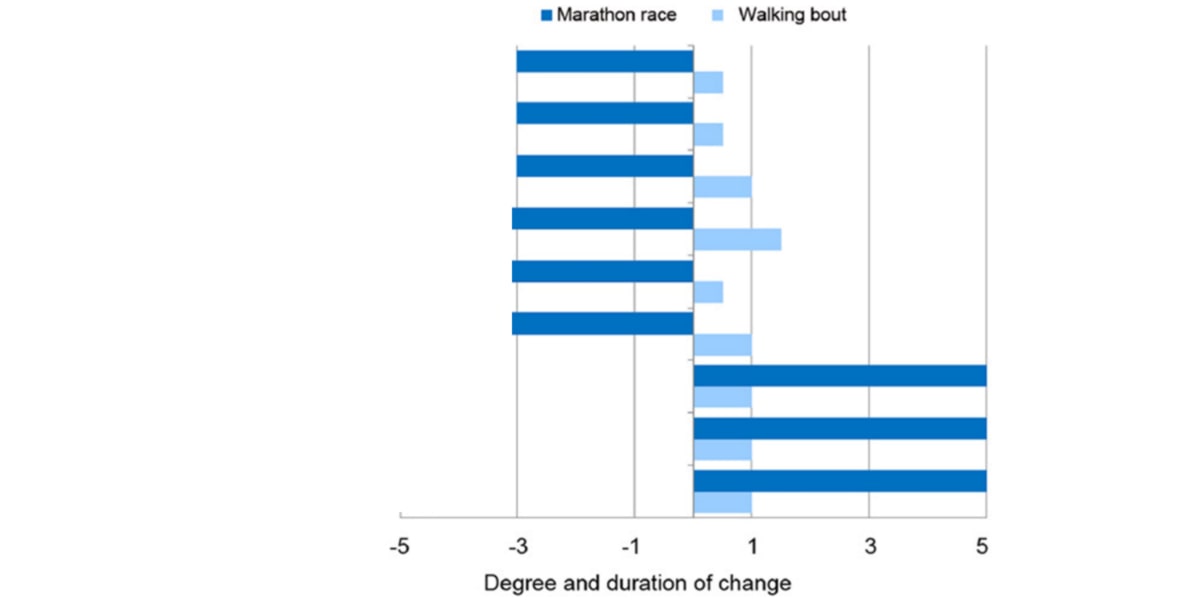
Marathon runners (dark blue bar) show a marked depression of immune function, along with a significant increase in inflammation compared to subjects who simply engaged in light walking loads (light blue bar).
This creates an ideal environment for an increased risk of disease, hence the famous “J-Shaped Curve” of physical exercise and immunity:
Which is very graphic and explained simply:
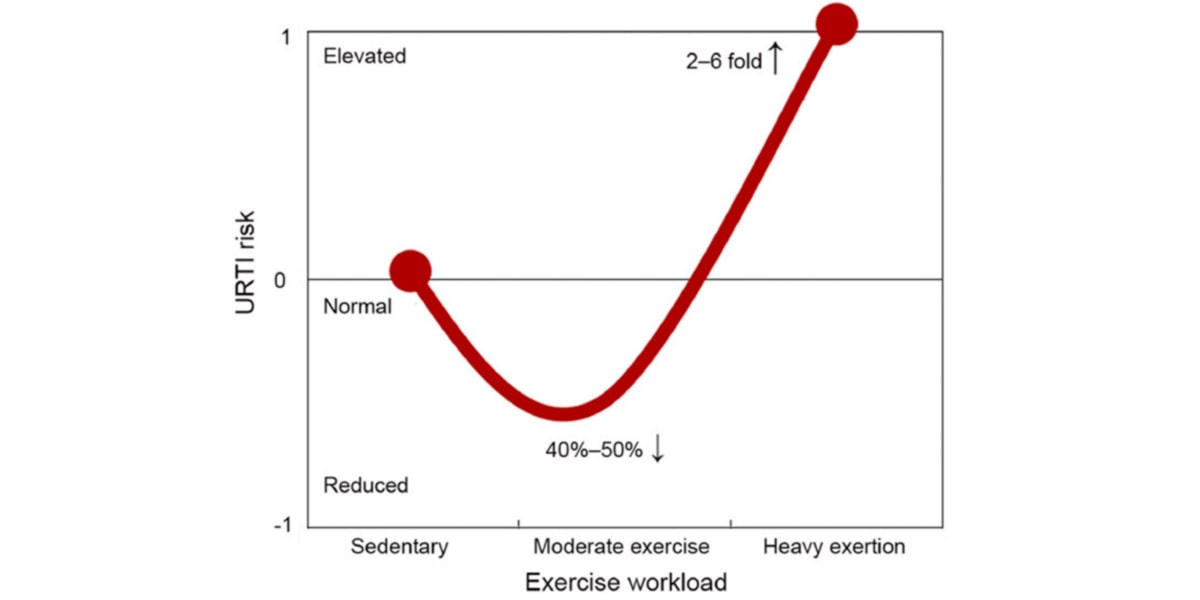
Moderate physical exercise can significantly reduce the risk of contracting diseases, specifically always referring to URTIs (Upper Respiratory Tract Infections), however, when the training load increases, the risk of contracting these infections increases exponentially, even up to 6 times greater, than that of sedentary people.
Let’s not get confused:
- Physical exercise remains healthy and although it requires careful planning to not overdo it, both the risk of disease and inflammation markers are better in fit people than in inactive people with overweight or obesity.
- Staying physically active, without going overboard,is important for being immunologically healthy.
Tips to Avoid Overtraining and Maintain a Healthy Balance
The best recommendations for maintaining good immune health in relation to physical exercise are:
Engage in physical exercise, as it is good for your immunity.
Additionally considering:
- Providing sufficient recovery between sessions, maintaining good rest, nutrition, hydration, and psychological control.
- Increasing training load, when appropriate, gradually and not abruptly.
- Scheduling training based on the athlete’s health status, allowing for adaptation (avoid pre-established traditional plans).
- Monitoring early symptoms of over-reaching, overtraining, or illness.
- Avoiding intense training when the athlete is sick or showing symptoms of illness.
- Actively participating in medical exams.
A caloric deficit is a strong enemy of the immune system.

Other factors to consider are hygienic factors, lifestyle, nutritional and behavioral strategies; as well as managing psychological load.
How to Improve the Immune System
- Physical exercise: Consume sufficient carbohydrates, especially around training, as they are capable of dealing with the increase in stress and inflammation markers.
Fruits and vegetables, as well as other foods rich in polyphenols and other antioxidants, are good allies in combating inflammation and improving the flexibility of our immune system.
- Probiotics: According to the most recent scientific research, they are capable of positively influencing the human microbiome, which is the bacterial diversity of our body that in turn acts as an important defense barrier, both in our intestinal and respiratory systems.
- Sleep sufficiently: Maintain stable sleep routines, avoid staying up late and consuming alcohol regularly, especially before bedtime. If you experience deficiencies in rest that are not corrected by increasing the amount of sleep within a reasonable margin, a medical evaluation through a sleep study is required.
- Stress management: It’s key, make sure to follow techniques that help you cope with the stressful load of your lifestyle, and that contribute to minimizing the impact of events and emotions that have a negative effect on your life. Mindfulness can be a good aid, as well as meditation or yoga.
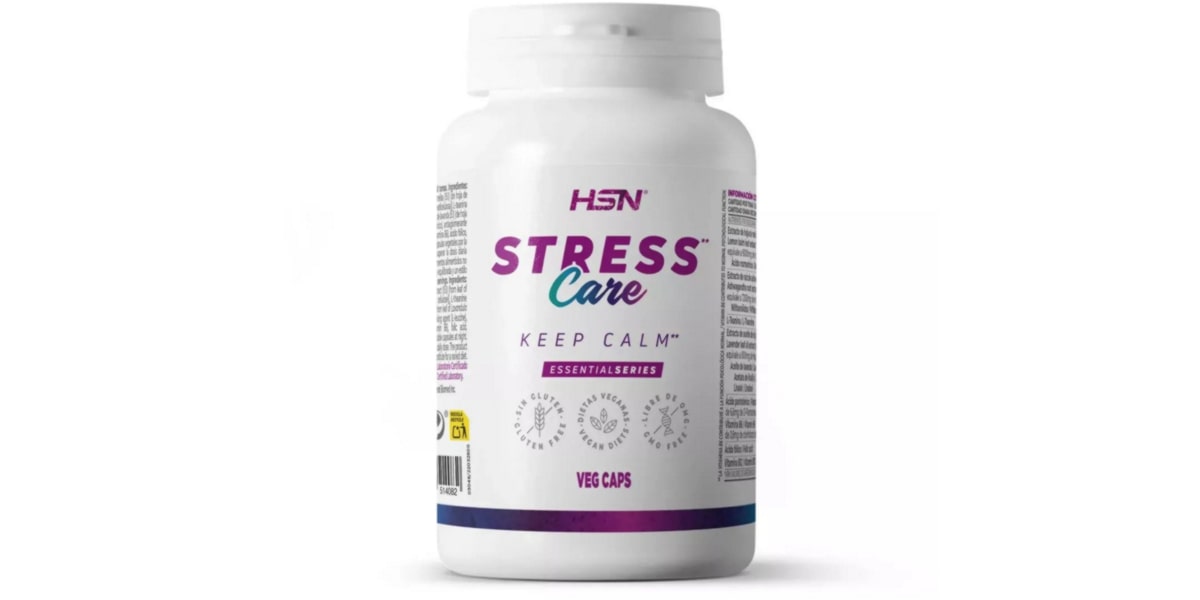
There are natural formulas that can help you reduce stress:
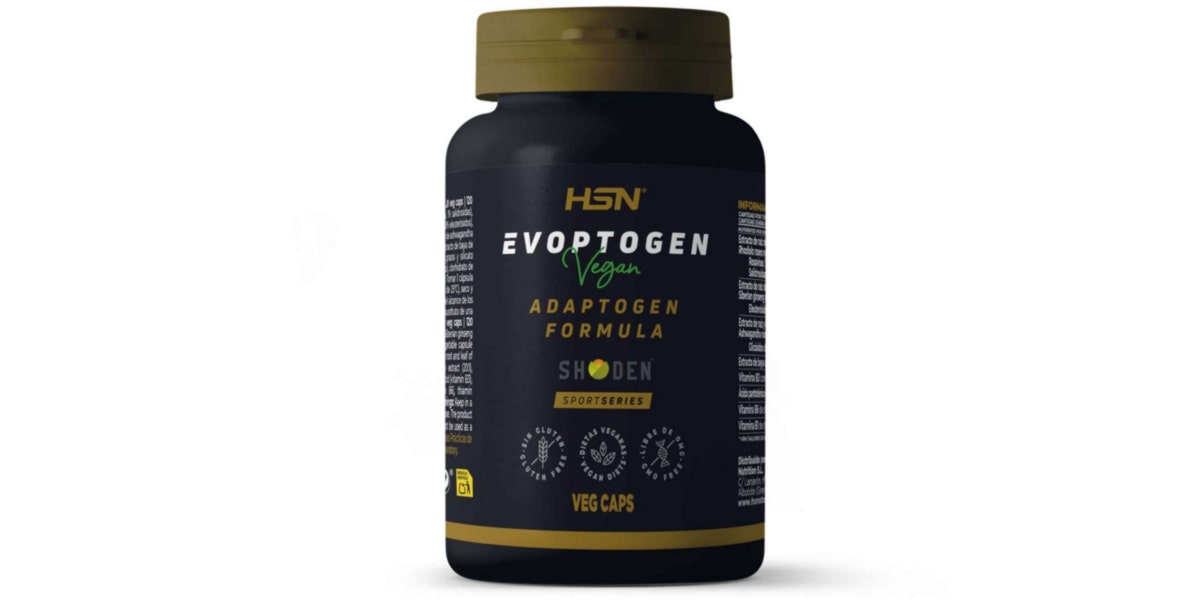
And to adapt to the rhythm of your day-to-day life:
Conclusion
Moderate physical exercise has an acute positive impact that accumulates over time, strengthening the body’s natural immunity to pathogens and possibly to metabolic, endocrine, and oncological diseases.
However, the constant exposure to high loads of physical exercise depresses the immune system and exposes the athlete to a significantly increased risk of contracting diseases, even more than the “base” risk of the same sedentary person.
And remember that moving a bit is better than not moving at all, since recreational athletes usually do not reach these levels of sports load that pose a risk to your immune integrity, pay attention to symptoms and if you find yourself tired or habitually cold while actively training, you may be exceeding your limit; so:
Bibliographical references
- Forte, P., Branquinho, L., & Ferraz, R. (2022, June). The Relationships between Physical Activity, Exercise, and Sport on the Immune System. International Journal of Environmental Research and Public Health, Vol. 19. https://doi.org/10.3390/ijerph19116777
- Nieman, D. C., & Wentz, L. M. (2019). The compelling link between physical activity and the body’s defense system. Journal of Sport and Health Science, 8(3), 201–217. https://doi.org/10.1016/j.jshs.2018.09.009
- Nieman, D. C., Henson, D. A., Austin, M. D., & Brown, V. A. (2005). Immune response to a 30-minute walk. Medicine and Science in Sports and Exercise, 37(1), 57–62. https://doi.org/10.1249/01.MSS.0000149808.38194.21
- Peake, J. M., Gatta, P. Della, Suzuki, K., & Nieman, D. C. (2015). Cytokine expression and secretion by skeletal muscle cells: Regulatory mechanisms and exercise effects. Exercise Immunology Review, 21, 8–25. https://pubmed.ncbi.nlm.nih.gov/25826432/
- Pedersen, B. K., & Hoffman-Goetz, L. (2000). Exercise and the immune system: Regulation, integration, and adaptation. Physiological Reviews, 80(3), 1055–1081. https://doi.org/10.1152/physrev.2000.80.3.1055
- Simpson, R. J., Kunz, H., Agha, N., & Graff, R. (2015). Exercise and the Regulation of Immune Functions. Progress in Molecular Biology and Translational Science, 135, 355–380. https://doi.org/10.1016/bs.pmbts.2015.08.001
- Walsh, N. P., Gleeson, M., Pyne, D. B., Nieman, D. C., Dhabhar, F. S., Shephard, R. J., … Kajeniene, A. (2011). Position statement part two: Maintaining immune health. Exercise Immunology Review, 17, 64–103. https://pubmed.ncbi.nlm.nih.gov/21446353/
- Walsh, N. P., Gleeson, M., Shephard, R. J., Gleeson, M., Woods, J. A., Bishop, N. C., … Simon, P. (2011). Position statement part one: Immune function and exercise. Exercise Immunology Review, 17, 6–63. https://pubmed.ncbi.nlm.nih.gov/21446352/
Related Posts
- Discover the secrets for optimal immunity with the Autoimmune Protocol
- Learn how to prepare your immunity for the fall season
- Explore the effects of excessive exercise on brain fatigue
- Discover how Shiitake Mushrooms strengthen your immune system