 Fitness, Nutrition, Health and Sports Blog In the HSNstore Blog you will find tips about Fitness, sport in general, nutrition, and health – HSNstore.com

- Diet breaks are a nutritional strategy that consists of alternating periods of calorie deficit with periods of normal calorie intake in order to facilitate weight loss.
- This is a temporary interruption of the diet to increase adherence and avoid stagnation during periods of weight loss.
- With diet breaks, calorie intake is increased, putting an end to the deficit and the body begins to react, keeping the weight off.
Index
How long do diet breaks last?
The duration of the diet break will depend on each particular case, considering individual aspects such as: body composition, adherence capacity and proximity to the target.
In general, diet breaks usually last from a couple of days to 1-2 weeks.
At the end of the diet break, we will start eating less again.
This cycle will continue until the objective is achieved.
Advantages of a diet break
- Make dieting easier: By reducing feelings of appetite and food cravings, diet breaks can make it easier for people with diet adherence problems to achieve their goal.
- Better mood: Calorie restrictions usually lead to irritability. Taking a break from the diet and indulging during the break will help you feel more emotionally stable.
- They boost energy levels: Following a restrictive diet for so long can lead to fatigue, decreased athletic performance, among other things. The extra intake of carbohydrates provides more energy to renew strength.
- Extend the definition phase: By making the weight loss process more manageable, it also helps to maintain muscle definition for more weeks, as fat loss is more effective.
Disadvantages of diet breaks
- Incorrect calorie intake: Incorrectly determining the amount of calories needed during breaks can cause you to eat more than you should and throw away the weight you have lost up to that point.
- Difficult to manage: The diet break can cause difficulty in self-control in those who find it difficult to get out of their routine and any modification generates nervousness, making it difficult to moderate what they eat and they are prone to commit excesses.
- Return to the diet: There is a risk that once the diet break is over, there is no desire to return to the diet and the diet break becomes indefinite.
- Dependence: Some people suffer from calorie deficits and a diet break can lead to dependence, i.e. when they start the low-calorie diet they are already looking forward to the week of the diet break. This can become a constant mental torture.

Diet breaks help to prevent the occurrence of bodily alterations that can hinder weight loss.
Is it necessary to have diet breaks?
Diet breaks are very important, as they can reduce many of the negative effects that can result from prolonged or overly aggressive calorie deficits, but they are not always essential.
It is true that creating a calorie deficit through diet is required when the goal is weight loss, but the problem is that this deficit deprives the body of energy and some nutrients.
Such a situation, in addition to stressing the body, causes physical problems such as exhaustion, lower resting metabolism (basal metabolic rate) and poor performance.
Diet break tips
The first thing to consider is that a diet break has to be planned, and if you don’t want to throw away the hard work of the last few weeks, you will have to do it in a controlled way.
- Duration: This can be from a few days to 1 to 2 weeks and the timing of implementing this nutritional strategy depends on body condition, if performance is impaired by training or if loads are greatly reduced. It is often very beneficial to take a diet break when you have been on a diet for more than 6 weeks without a break and your weight loss goal is long-term.
- Physical activity: The effect of exercise on eating behaviour may depend on the intensity of the exercise. Light physical activity shows the strongest protective effects against deficit eating. Ideally, physical activity and calorie expenditure should be matched so that calories are neither too many nor too few.
- Balanced nutrition: During the break period, food and calorie intake is increased compared to the current diet. This does not mean that we eat whatever we want. On the contrary, during the diet break, the distribution of macronutrients should be balanced, respecting the consumption of carbohydrates, proteins and fats, eating a little more, but still being healthy. It is advisable to take advantage of this time to increase carbohydrate intake in particular, as these are the macronutrients that will help us to increase our sporting performance, as well as favouring satiety.
Supplements to help you lose weight during your diet break
Food supplements can help you achieve your weight loss goal during your diet break. The most recommended products from the HSN line, suitable for vegans, can be found at the following links:
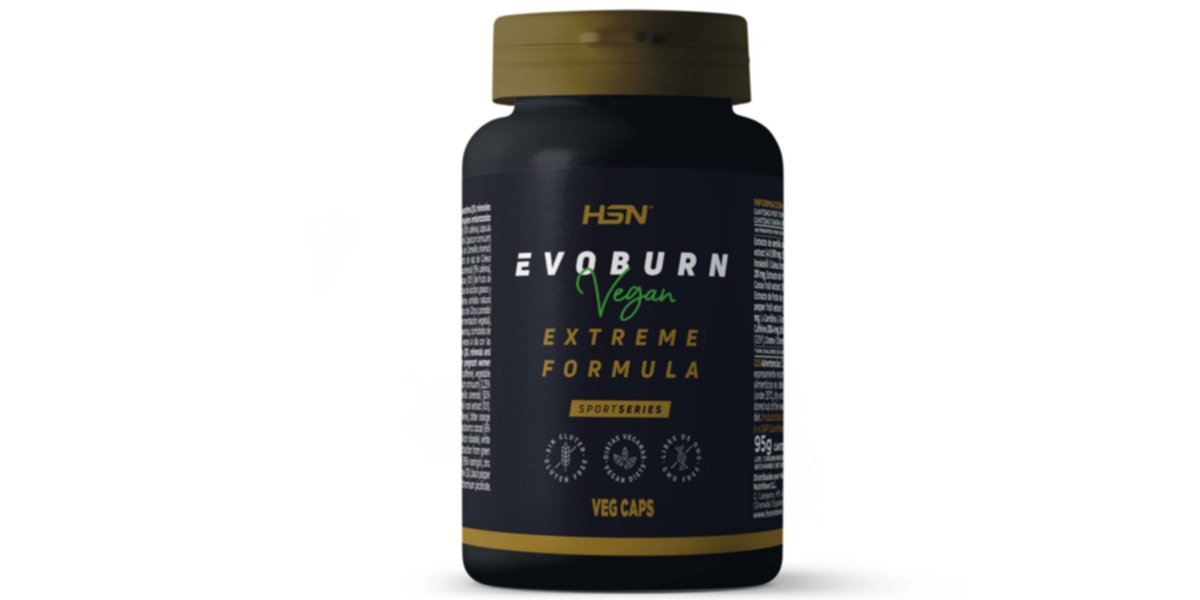
Evoburn (Stimulant-Free) by SportSeries

P-Synephrine by EssentialSeries

Green Tea Extract (8:1) Powder by EssentialSeries
Related Entries
- Cheating on the Diet during the Holidays
- Everything you need to know about Intermittent Fasting
- Glycogen replenishment, the famous refeeds
- Cheat Meal Day: Is it necessary to cheat on your Diet?