Fitness, Nutrition, Health and Sports Blog In the HSNstore Blog you will find tips about Fitness, sport in general, nutrition, and health – HSNstore.com

It is well known that in order to maintain a perfect balance between daily training sessions and recovery, it is necessary to comply with rest. In addition, you must also provide your body with the nutrients it needs through a diet tailored to your individual needs.
However, athletes tend to push their bodies to their maximum performance, which means that their needs are higher than those of the rest of the population, so it is extremely important that no essential element is missing from the diet.
Vitamin B
First of all, we must comment on the fundamental role played by vitamin B (actually a group of vitamins) in energy metabolism, i.e., energy production.
B vitamins are vital for releasing energy in the body, as they contribute to the metabolism of carbohydrates, fats and proteins. Recent research suggests that a deficiency of B vitamins can mitigate the performance of the athlete and/or sportsperson, leading to fatigue, tiredness and even injury.
Generally speaking, we could say that B vitamins are responsible for obtaining energy from the food we eat.
As well as helping to release energy from food, it also plays an important role in maintaining blood health through iron metabolism and red blood cell production.
Other functions of the vitamin B complex are to promote:
- Cellular health;
- Brain function,
- Healthy digestion;
- Nerve function; and
- Cardiovascular health.

Our recommendation for athletes is the Ultra B-Complex by EssentialSeries.
Vitamin C
Vitamin C, also known as ascorbic acid, is a powerful antioxidant that helps the body reduce tissue damage from oxidative stress caused by free radicals, which are generated – especially in the case of sportspeople and/or athletes – by strenuous and frequent exercise.
Vitamin C helps to stimulate and strengthen the immune system by supporting various cellular functions.
The adaptive immune system remembers foreign pathogens and can react more quickly to a second illness or infection to stay healthy for longer.
Its many functions also include:
- It allows iron to be better absorbed by the body;
- It helps the formation of collagen;
- It helps protect cells and promotes wound recovery;
- It maintains healthy skin, blood vessels, bones and cartilage.
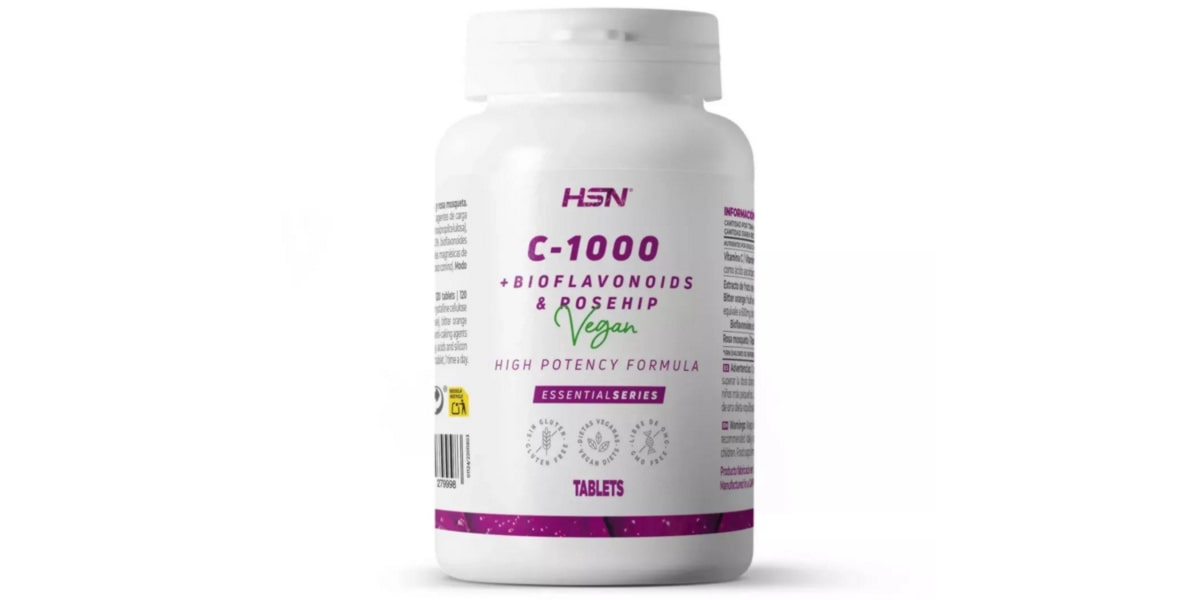
Athletes can benefit from Vitamin C 1000mg by EssentialSeries.
Vitamin D
This vitamin (although it would be correct to call it a hormone) is closely linked to athlete health in the sense that, low levels of vitamin D are directly associated with risks of stress fractures, acute illness, inflammatory injury and/or suboptimal muscle performance.
Regular consumption of vitamin D-containing foods is unlikely to contribute to maintaining a sufficient level of vitamin D in the body. Achieving a sufficient level requires reasonable sun exposure, several times a week – at least 10 minutes – on arms, legs and back, and timing is also important: around midday, due to the inclination (angle) of the sun’s rays.
Regular vitamin D supplementation and a combination of dietary intake and sun exposure can help maintain optimal status.
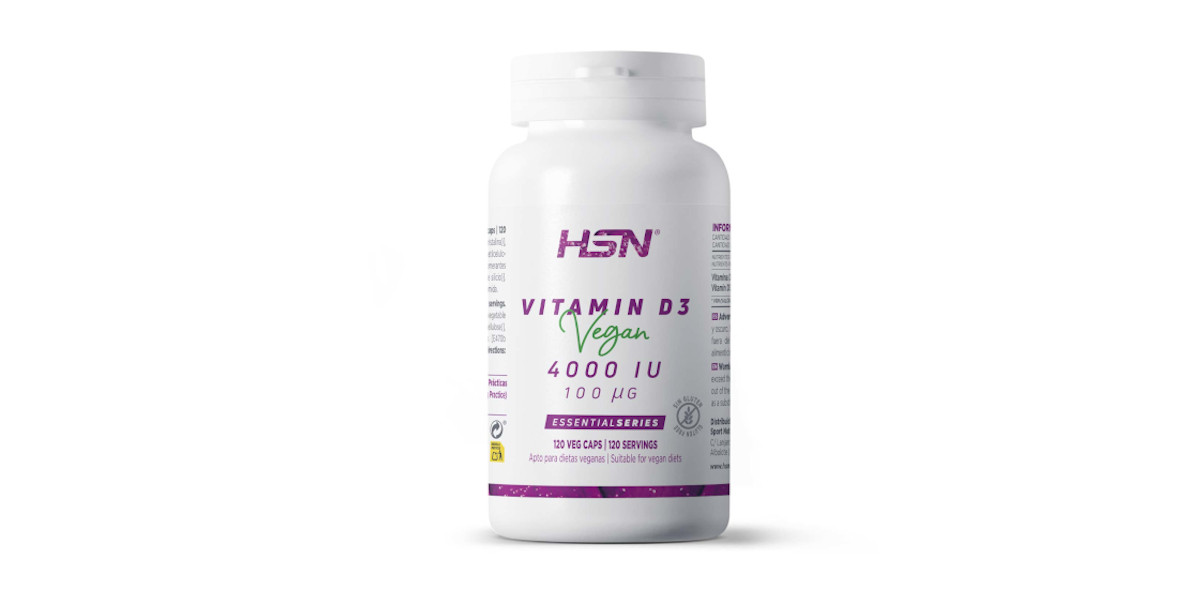
Vitamin D plays an important role in the health, training and performance of athletes.
Vitamin E
Like vitamin C, vitamin E may help reduce the amount of cell damage caused by free radicals, which are released after exercise.
Vitamin E may help prevent the decline in immune function that can occur just after exercise; it is also involved in optimal blood viscosity, both of which are important factors in athletes’ ability to train and compete.
This fact may provide an advantage for athletes who train intensively, especially those who train at altitude.
In addition, another important factor that may be of great interest to athletes is that vitamin E may reduce delayed onset muscle soreness (DOMS), as compiled in this research.
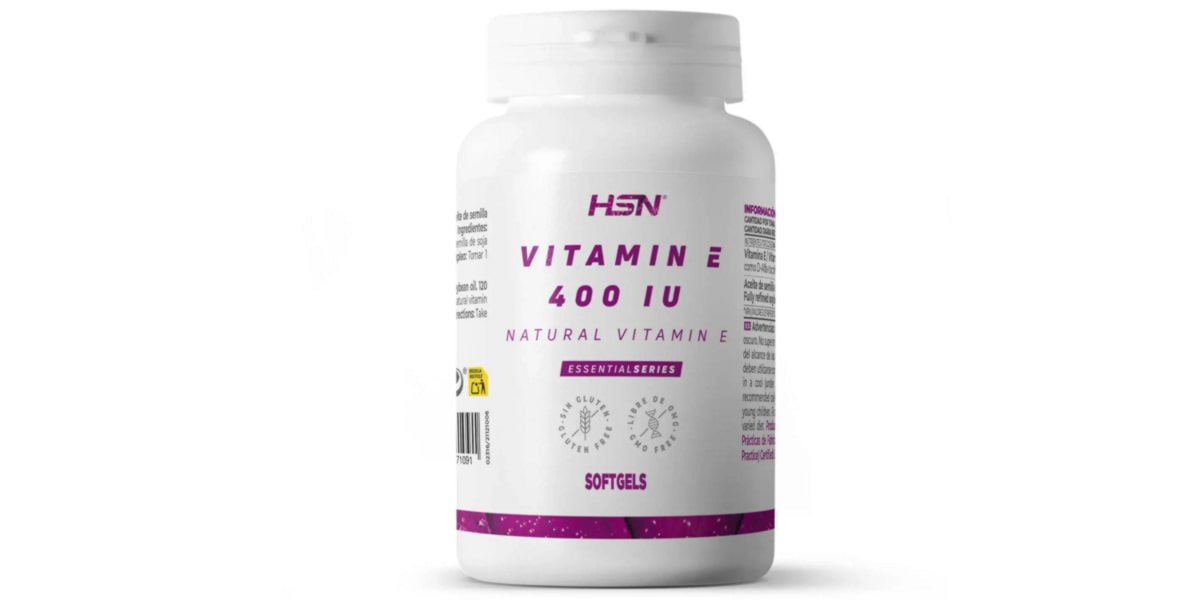
We recommend 1 softgel per day of vitamin E by Essentialseries.
Related Entries
- Find out more about the benefits of vitamin D and sports performance in this post.
- Do you want to know which vitamin is known as the “fountain of youth”? Click here.