Fitness, Nutrition, Health and Sports Blog In the HSNstore Blog you will find tips about Fitness, sport in general, nutrition, and health – HSNstore.com

What is lactoferrin? Lactoferrin is a multifunctional protein that plays an essential role in the immune system and iron balance in the body. Mainly found in breast milk and other biological secretions, this powerful glycoprotein is known for its antibacterial, antiviral, and antifungal properties, making it a natural ally in strengthening our defences.
What is lactoferrin used for? These are its main properties:
These are its main properties:
- Boosts your defences naturally: Lactoferrin is your ally for strengthening immunity and reducing inflammation, especially if you are an athlete or looking to maintain your well-being.
- Supports your gut health: Discover how this compound can protect your digestive system and promote the growth of beneficial bacteria to help you feel better from within.
- Healthier and more even skin: From wound healing to reducing scars, lactoferrin helps regenerate your skin naturally and effectively.
1. Immune System Benefits
One of lactoferrin’s key functions is non-immune defence, and it is considered a mediator that links innate and adaptive immune responses. As highlighted in a meta-analysis, lactoferrin has shown favourable effects on immune function, inflammation, and respiratory tract infections (RTIs).
If you are an athlete, particularly in endurance and long-duration disciplines, this supplement may be highly beneficial.
Specifically, a daily dose of 200mg of lactoferrin has been shown to reduce inflammatory markers (interleukin-6).

2. Digestive Health Benefits
Lactoferrin also plays a role in maintaining immune homeostasis in the intestinal mucosa. Its bacteriostatic effect (inhibiting bacterial growth) is attributed to its ability to bind iron, an essential element for bacterial growth.
As a result, people with digestive conditions, such as E. coli infections, may benefit. On the other hand, lactoferrin can serve as an iron donor to support the growth of certain bacteria with lower iron requirements, such as Lactobacillus sp. or Bifidobacterium sp., which is generally considered beneficial.
Various studies indicate that lactoferrin may be considered a powerful anti-inflammatory and immunomodulatory agent for the prevention and treatment of inflammatory bowel disease (IBD), primarily ulcerative colitis and Crohn’s disease, by regulating immune responses in the intestinal mucosa.
3. Skin Health Benefits
Lactoferrin also plays a significant role in skin health, as highlighted by research, particularly in wound healing by improving the initial inflammatory phase.
Lactoferrin stimulates fibroblast and keratinocyte proliferation and migration while increasing the synthesis of extracellular matrix components such as collagen and hyaluronic acid.
From a dermatological perspective, by promoting the growth and movement of new cells and ensuring the effectiveness of wound-sealing proteins, lactoferrin leads to a reduction in inflammation, facilitating more even skin formation and minimising scarring.
How Does Lactoferrin Affect Pregnancy?
Lactoferrin is a protein found in breast milk and other bodily fluids that may support fertility and pregnancy. Thanks to its immunomodulatory properties, it helps prevent infections and creates a safer environment for conception. Its ability to regulate iron levels is crucial, as this mineral is essential for foetal development.
By maintaining a healthy iron balance in the body, lactoferrin reduces the risk of inflammation and oxidative stress, supporting embryo implantation. As a result, including it in your diet or as a supplement may be a valuable aid for those looking to conceive and sustain a healthy pregnancy.

How to Take Lactoferrin
The highest concentration of lactoferrin can be found in colostrum from cow’s milk. It is also present in other dairy products and milk from other animals, such as goats:
- Kefir
- Greek yoghurt
- Cheese
The most effective way to incorporate lactoferrin into your diet is through supplementation, in capsule form.
There is no standard recommended dose, as it may vary depending on gender, age, and health status. Clinical studies have used doses ranging from 100mg to 4500mg per day, with no reported toxicity. If in doubt, consulting a doctor or specialist is advised.
How Long Can You Take Lactoferrin?
The duration of lactoferrin supplementation can vary based on individual needs and goals, but it is generally considered safe for long-term use in appropriate doses.
Studies and clinical trials have administered lactoferrin for periods ranging from a few weeks to several months without significant adverse effects, suggesting it is well tolerated.
However, for extended use or specific conditions, it is always advisable to consult a healthcare professional to determine the optimal dosage and duration. This ensures maximum benefits without any associated risks.
Lactoferrin Supplements at HSN
At HSN, you will find a wide range of supplements to support the immune system, including Lactoferrin:
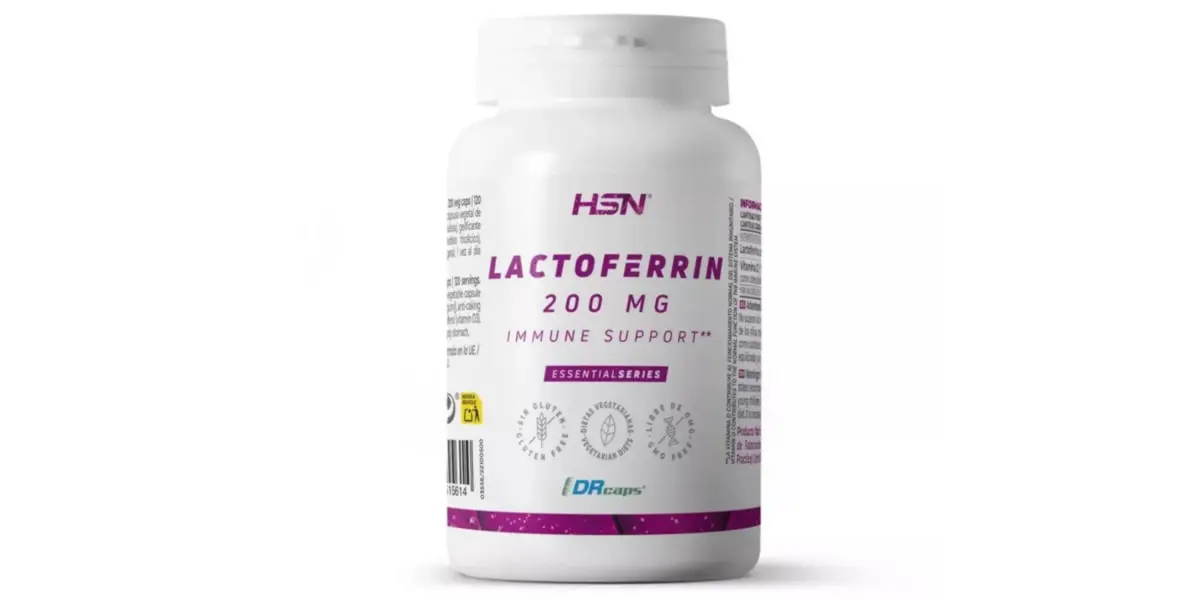
Native Lactoferrin in 200mg Capsules
- Enriched with vitamin D3 (Cholecalciferol).
- Delayed-release (DRcaps®) and gastro-resistant capsules, protecting Lactoferrin from stomach acidity, environmental air, and any degrading agents such as light or humidity.
- The recommended dose is 1 capsule per day, preferably on an empty stomach.
Are There Any Contraindications or Side Effects of Taking Lactoferrin?
Lactoferrin is generally considered safe and well tolerated when taken in appropriate doses. However, as with any supplement, there are some considerations and possible side effects to be aware of.
- Some people may experience mild gastrointestinal discomfort, such as nausea, bloating, or diarrhoea, especially when consumed in high doses.
People with dairy protein allergies should exercise caution, as lactoferrin is primarily derived from milk. While no serious effects have been reported with prolonged use, consulting a healthcare professional before supplementation is especially recommended during pregnancy, breastfeeding, or when taking other medications.
Related Posts