Fitness, Nutrition, Health and Sports Blog In the HSNstore Blog you will find tips about Fitness, sport in general, nutrition, and health – HSNstore.com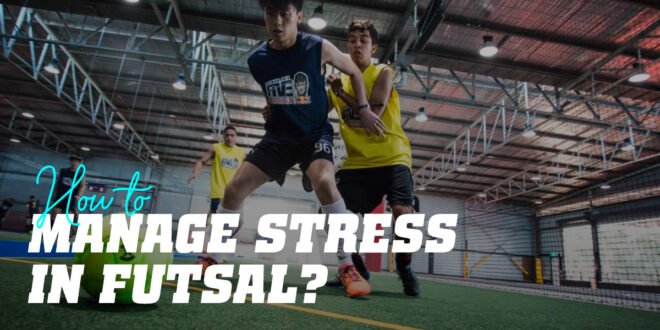

A good Futsal player is not only characterised by their physical and technical ability, but also how he is able to handle stressful situations, such as before or during an important match.
How does anxiety affect an athlete’s life?
The demands of the game in futsal determine a high degree of physiological and mental demands on its sportsmen and women.
In an opposition-cooperation sport, with high spatial-temporal deficits and a huge degree of uncertainty, the player’s performance will depend to a great extent on their mental strength.

In this sense, the mental components of the game directly influence the performance of the athlete:
- From the control of thoughts;
- Beliefs;
- Feelings;
- Stress;
- Attention and concentration;
- Emotions;
- Self-confidence; or
- Motivation.
What is mental strength in futsal?
In futsal not all players exhibit the same level of mental strength.
In some it is innate.
Although for most, they are influenced by external factors such as the opinion of their coach, management or president, social networks, press and/or media.

In turn, intrinsic factors, such as thoughts, beliefs…, what you say to yourself, how you define, explain and interpret different situations… can be seen as limiting aspects of performance.
What mental qualities does a great footballer have?
The goal of every player is to compete at the highest level in all training sessions and in all matches.
Having a good day and competing at a high level is within everyone’s reach.
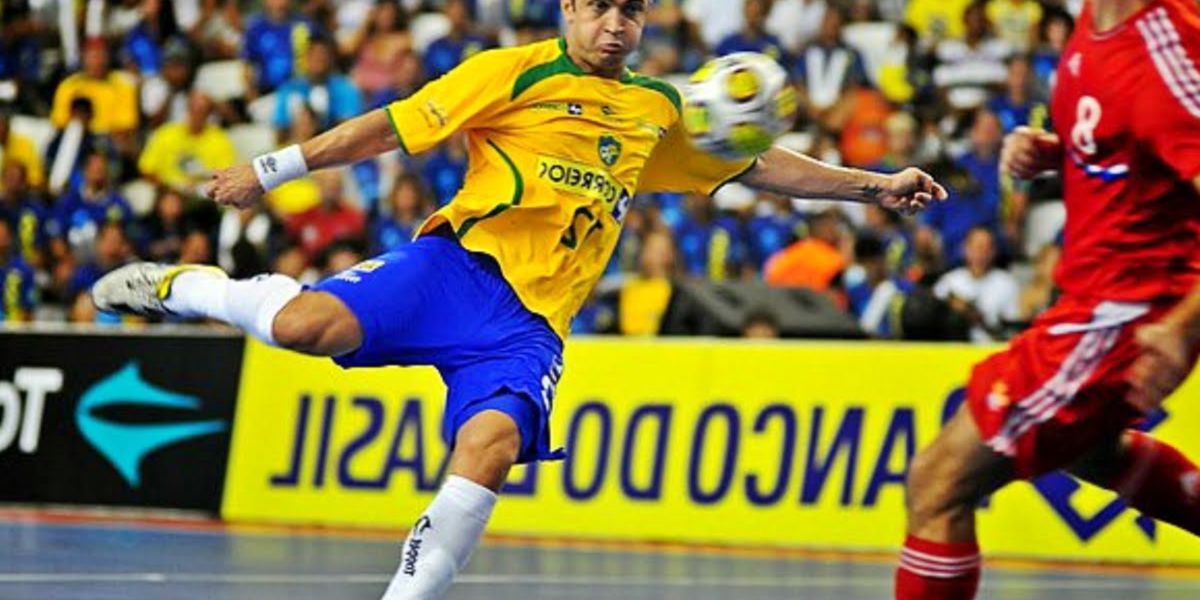
Achieving the optimal activation level for competition is desirable.
What is sports stress and how does it affect athletes?
From a physiological point of view, stress is a response in our body to situations of insecurity or fear.
It is a natural defence mechanism and, therefore, in sport we must make knowing how to compete with an adequate level of stress natural.
Thus, the player has to learn to modulate his/her activation to the range that allows him/her to compete to the maximum.
Anxiety and stress appear above that level.
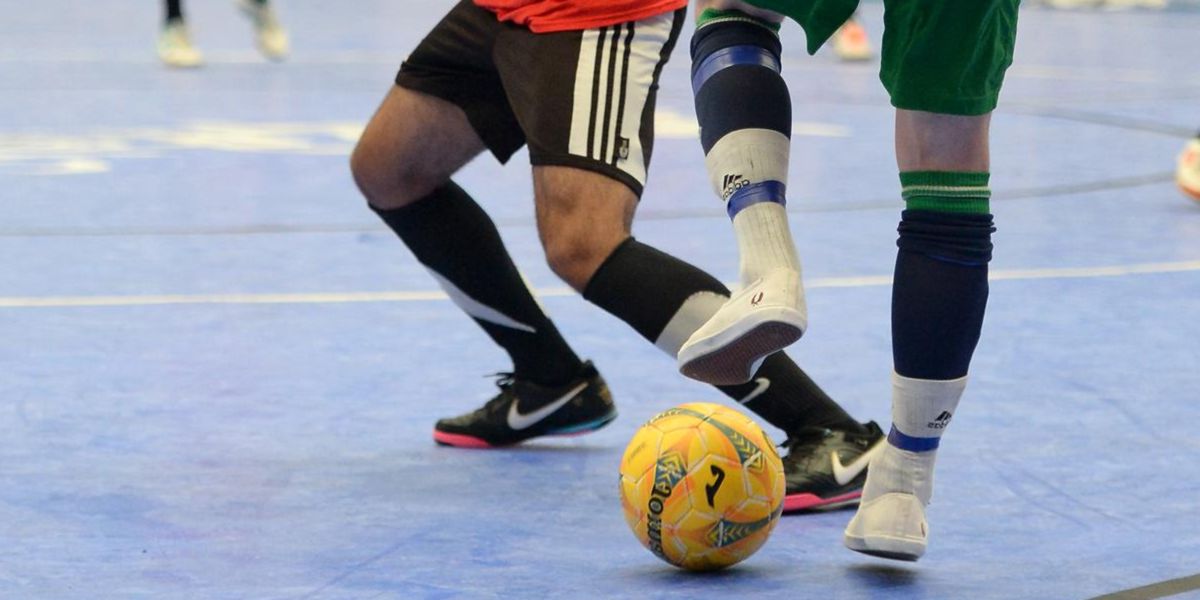
And underneath that level, the benefits will be insufficient.
How to reduce stress in futsal
To learn how to control your level of activation you can use the following techniques:
Relaxation
Relaxation and breathing are two techniques you should incorporate into your sports routine.
Their daily use will distract you from disturbing thoughts and relax your body.
How do we apply this technique?
- You should adopt a position in which you are comfortable: sitting on a chair, straight back supported by the backrest and hands on your knees.
- Relax your body by taking a passive attitude and breathe deeply several times (5-10 repetitions).
- Focus on your breathing and count the breaths you take in and out for two minutes.
- Return to your normal state little by little.
Visualisation
It is the cognitive process that allows you to project images and associated sensations in your mind with the intention of experiencing a psychological benefit, in this case reducing stress. Visualisation also brings improvements in:
- Individual technique;
- Acquisition of new skills;
- Helping to understand the game;
- Reinforcing self-confidence; and
- Provides benefits in recovery from injuries.
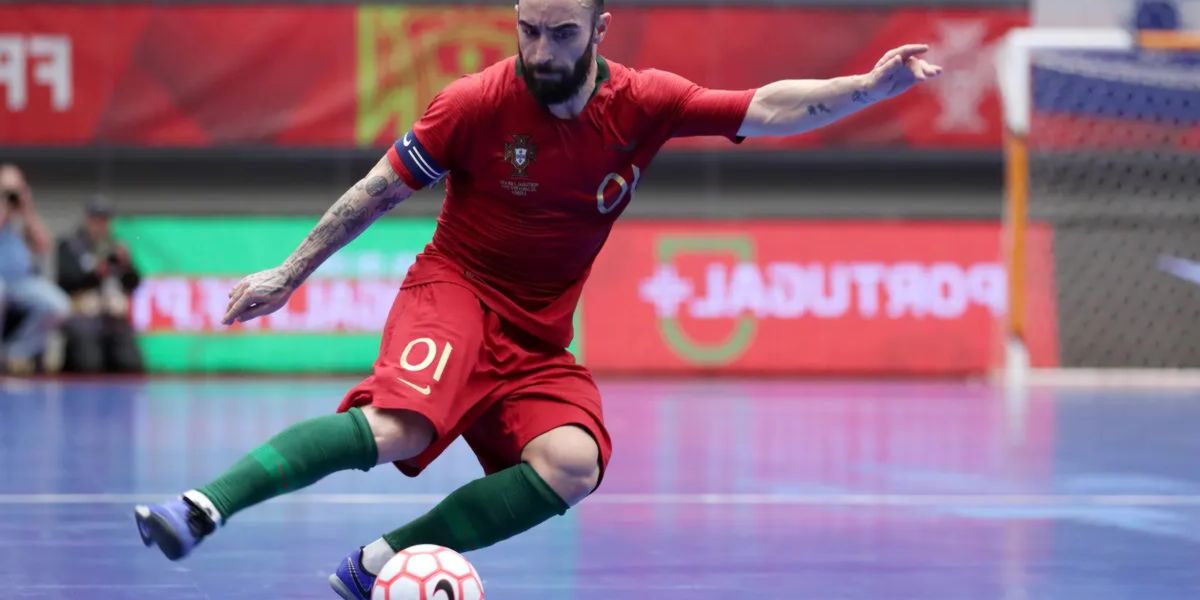
Project your best version, even exaggerating it a little.
How do we apply this technique?
- Choose one or a few actions, and visualise them in a relaxed state, at the same intensity as in reality (e.g. a strategy action, a pre-planned move or a free throw.)
- That, in which your contribution to the team can be decisive in the final result and is within the match plan for that day.
Control your thoughts
In this situation, the answer is to create an alternative thought.
Suffering from stress means that the match is important for you, so there is an opportunity to demonstrate your ability and the faith you have in yourself.
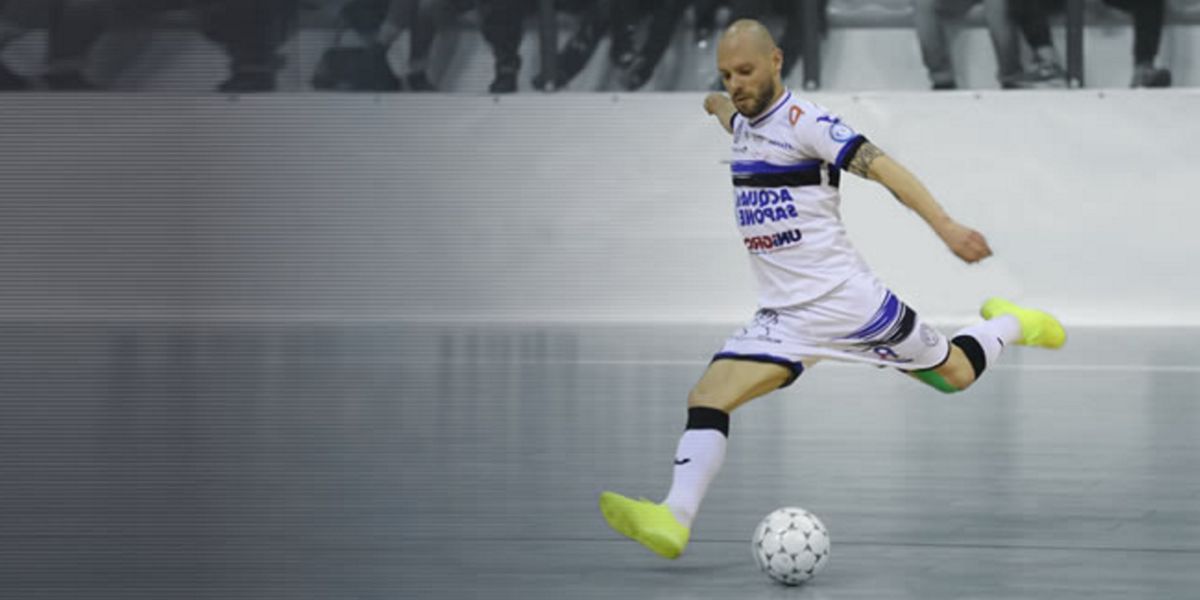
Turn that stress into a challenge.
How can we apply this technique?
- You have to change that negative thinking for one that propels you to success.
- Don’t accept negative thoughts (e.g. We have no chance of victory against this team, I always fail at completion…).
- If you tell yourself that you cannot beat that opponent, you already have the result in advance.
- Your last thought before the start of a match will always be positive.
- Focus on the present, what happened in the past is irrelevant (previous matches lost to that team or even failed actions during the course of that same match).
What is scouting in futsal?
As we discussed earlier, uncertainty generates stress.
Facing the unknown increases insecurity and this in turn catapults distrust in your chances of success.
- The development of the game model as a collective improvement of the team’s preparation;
- The contents that are effective in confronting the opponent’s game model; and, finally,
- An individual improvement plan (approximately 30% of the weekly training load).
What do you do in a scouting?
The coach must complement this preparation with videos of improvement of your team, at collective level, as well as individual of each player, on aspects to improve from the last matches.
And finally, scouting videos about your opponent: knowing your opponent’s team in depth will provide you with valuable information about their strengths and weaknesses.
In this way, you will get to know the best individualities of the opponent: their technical and tactical actions, how they attack and how they defend in the different phases of the game…
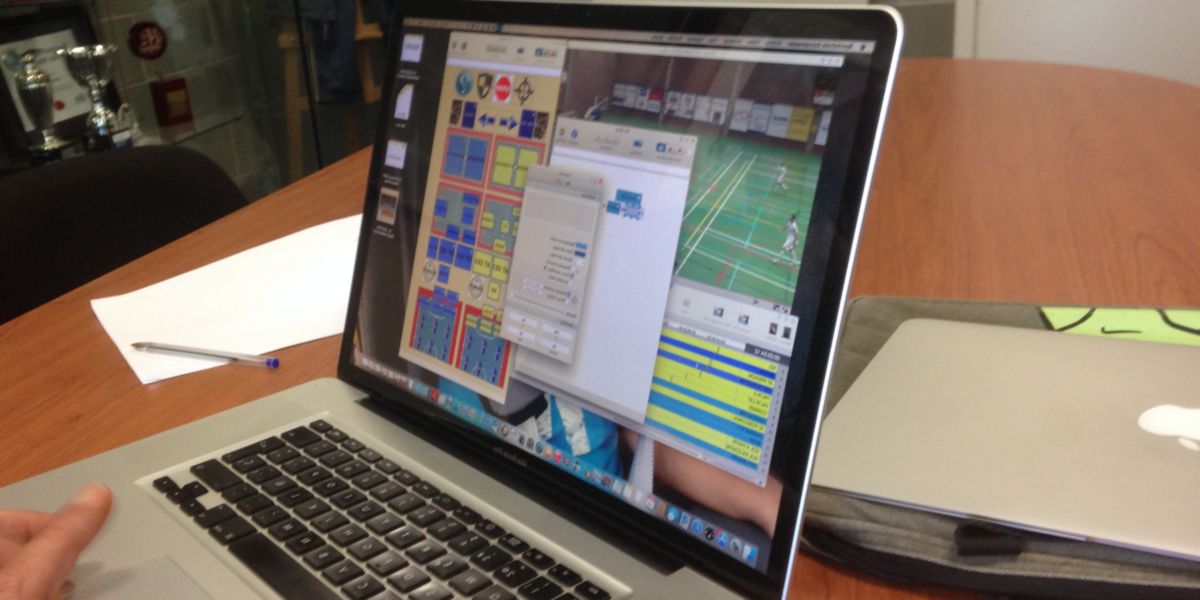
In addition, each player must deepen his knowledge of the rival player he will have to score and attack according to his playing position.
Conclusion
As a final conclusion we can say that the mental preparation of the team and each player plays a vital role in individual and collective performance in futsal.
That importance implies a systematic planning of the techniques and mental tools.
The implementation of the techniques described here, in an occasional and isolated way, does not make sense, it will not produce any results.
Bibliography
- Ganar con la cabeza. Una guía completa de entrenamiento mental para el fútbol. Rafi Srebro y Joaquín Dosil. 2009
- Jugar con el corazón. La excelencia no es suficiente. Xesco Espar. 2010
- Asignatura de Técnica y Táctica. Curso Nacional de Fútbol Sala Granada 2012. Bruno García, Seleccionador Nacional de Japón de Fútbol Sala.
Related Entries
- Do you know the types of motivation that exist? Now you can better understand how an athlete’s mind works by visiting this link.
- Being strong on a regular basis is key to competitive sports performance. If you want to know how to be able to do it, click here.