 Fitness, Nutrition, Health and Sports Blog In the HSNstore Blog you will find tips about Fitness, sport in general, nutrition, and health – HSNstore.com

The aloe vera plant has been used with medicinal purpose for thousands of years. It is regarded as the most complete plant from natural medicine. Its used is meant to treat multiple pathologies: wounds, skin diseases, gastrointestinal problems, joint pain, gingivitis or burns.
Its benefits have been scientifically tested which is why no home should be missing this plant. But, what is better: its juice or its gel? What do we have to take into account when purchasing aloe vera products? Is it advisable to have this plant in the garden? How can we make homemade aloe vera gel?
Keep reading to find the answer to these and other questions!
Aloe vera, an exceptional medicinal plant
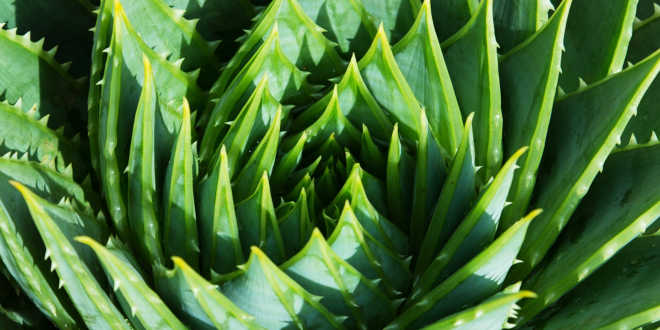
There are hundreds of aloe species, but the true aloe plant is the aloe vera variety. In fact, it is one of the oldest and renowned medicinal plants in the world. Its aspect resembles a cactus, but it is like an onion or an iris plant, which is why is also called “desert iris“.
Originally, it comes from the Arabic Peninsula. However, it is currently being cultivated in many places all around the world, mainly in the Mediterranean, India and Mexico.
A feature of wild aloe vera is that it can live for months without water nor rain. This peculiarity is due to its fleshy leaves which can store a lot of water in order to survive droughts.
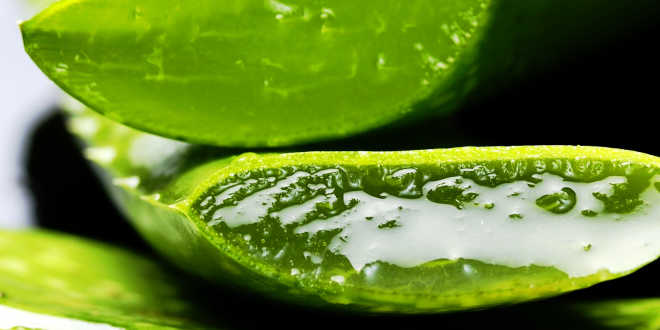
It shrinks when the weather is dry and it expands when it rains. The ability of this plant to store water is due to the structure of its leaves, which are similar to some kind of gel. This aloe vera gel helps to the plant to heal its own wounds (for example, cuts or scratches).
This property was found out by observing how the plant protected itself against dehydration and wounds. Consequently, its ingredients could also be good to heal human skin.
History of Aloe vera
According to Sumerian and Egyptian documents, aloe vera was already being used five thousand years ago with medicinal purposes.
Through the Egyptians, the Greeks learnt about the medicinal properties of aloe vera. In fact, Alexander the Great healed the wounds of his soldiers with aloe vera juice.
Meanwhile, Arabic traders spread the plant around Asia. From there, it arrived to India and Japan, where the samurai rubbed aloe vera gel on their bodies to become invulnerable.
In the 10th century, aloe vera reached the United Kingdom and from there it would finally arrive to Europe. Then, it would arrive to South and Central America through Spain.
Currently, Mexico is one of the main cultivation areas of aloe vera. In addition, most of the farmers do not use fertilizers nor pesticides.
Of course, modern research is much more interested in learning about the benefits of aloe vera through facts and numbers.
Ingredients of Aloe vera
Monosaccharides and polysaccharides
One of the ingredients from aloe vera are monosaccharides and polysaccharides. They are simple and complex sugars with anti-inflammatory, anti-bacterial, anti-viral, anti-fungal, immunostimulant and digestive properties.
Moreover, the main active ingredient from this plant is acemannan. This element also appears in the Siberian Taiga root and Ginseng. Acemannan is a long chain sugar molecule that is produced by the human body until puberty. Later on, it has to been taken from food.
Acemannan strengthens the white cells and the immune system, reduces the inflammation, cleans and detoxifies the intestine. Consequently, it improves the absorption of vital substances and eliminates toxic elements.

Amino acids
The aloe vera gel has seven of the eight essential amino acids. The body needs to take them from the diet since it cannot synthesize them on its own. Some of the main amino acids from this plant are those that provide energy to the organism:
- Isoleucine, which helps to build muscle while strengthening the immune system.
- Leucine, which shortens the healing processes.
- Valine, which strengthens the nerves and helps to control stress.
- Lysine, which stimulates the development of collagen, preserving the elasticity of the skin and delaying its deterioration.
Enzymes
There are important enzymes in the aloe vera gel: amylase, phosphatase, catalase, cellulase and lipase, among others.
Secondary compounds
The plant phytochemicals produce the specific flavor, smell and color of each plant. That is why they are so important from a pharmacological point of view, even if they have small amounts.
For example, the aloe vera gel contains essential oils sometimes, such as saponins, tannins and salicylic acid. These oils have strong anti-inflammatory and anti-bacterial effects. Moreover, they also contain sterols, which reduce the cholesterol levels.
Aloe vera, a unique plant with multiple remedies
The aloe vera leaf has three different layers: the bark, juice and gel. We can obtain two different liquid with different effects from each part of the plant.
One of them is the gel, the other is the juice, also known as latex or resin.
Aloin from aloe vera is advised against constipation
The aloin mainly comes from between the bark of the green leaf and the transparent gel. Its active ingredient is available from the moment we cut a leaf. It is a viscous substance with a very bitter flavor that the plant uses to protect itself against predators.
In ancient times, people extracted the aloin from the plant to boil it in order to obtain a crystalline ointment that had laxative properties.
Moreover, aloin could potentially trigger cancer. That is why you should use an aloin laxative twice a week for two weeks at most.
The use of aloin can be useful if we suffer intestinal problems or hemorrhoids, or after a rectum surgery. We suggest consulting your doctor before using it.
We can always find another alternative, since there are other natural and healthy remedies against constipation.
If you want to take aloin from aloe vera, you should purchase professional products instead of using your own plant. This is due to the fact that they are much safer and they come in the recommended dose already.
Unlike what happens with aloin, the aloe vera gel is a very complete remedy for many problems. Moreover, it is completely safe and it does not have side effects.
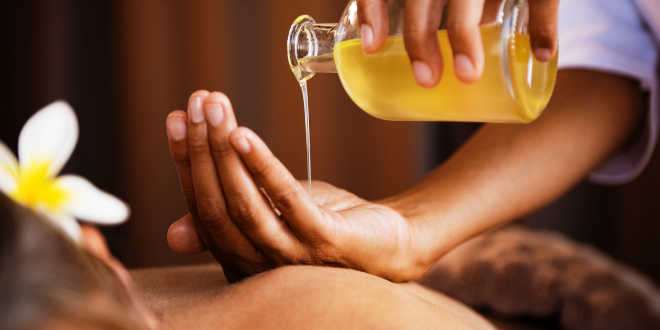
Aloe vera gel is a complete remedy against many pathologies and diseases
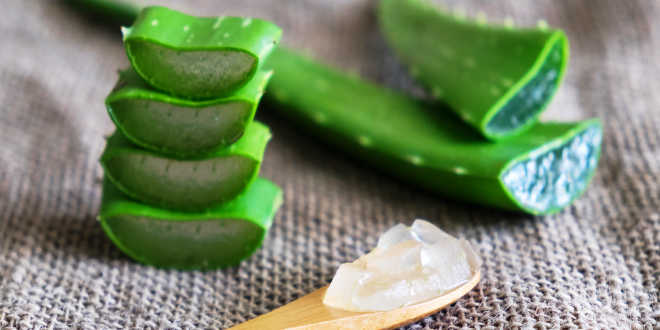
This gel comes from the fleshy content of the plant leaves. There are several ways of processing and obtaining this gel. However, the most important thing is using a leaf with thick bark in order to remove the aloin previously.
This product is available in different formats: gel, ointments, capsules, powder or juice. You can purchase it from herbalist’s shops, pharmacies or specialized stores.
It is important to know that the juice is diluted gel. In this case, we just have to press the gel and remove the water. The result is a dry concentrate that can be stored for a long time. We can get juice by adding water to the dry concentrate once again.
Uses of the gel
In popular medicine, the aloe vera gel is used to treat many problems including:
- Inflammation: gastrointestinal tract, skin and mucosa. It is usually taken orally
- Fever
- Skin diseases: eczema, dermatitis or psoriasis
- Insect bites
- Wounds: burns and injuries
- Herpes (genital herpes)
- Weak immune system
- Arthrosis, arthritis and gout
- Rheumatism
- Arteriosclerosis
- Sunburns

Aloe vera heals sunburns better than cortisone
Dr. Julia Stump from University of Friburgo, studied the anti-inflammatory effect of aloe vera on the skin in order to see if the gel relieved sunburns.
In her study, she picked 40 people whose backs were exposed to test fields for the first time. Then, they used aloe vera gel or a commercial cream (made from hydrocortisone) to treat their backs.
After the study, Dr. Stump reached the conclusion that the plant gel is the best alternative to the cortisone treatment. Moreover, the aloe vera gel also produced anti-microbial and anti-inflammatory effects according to the scientists. They also found out that said gel stimulates the cell proliferation. This would explain why the plant improves the healing process of serious burns.
Aloe vera heal serious burns
The injuries produced by serious burns are extremely painful and they can trigger disability, physical and psychological suffering and ultimately death. Treating this burns is very difficult and complex. However, several studies have proven that this plant can treat and reduce their effects.
Dr. Khorasani from the University of Medical Sciences from Mazandaran and his team, have compared the functioning of aloe vera gel and silver sulfadiazine. The latter is the most common treatment to heal serious burns.
The side effects of silver sulfadiazine produce a persistent grey skin pigmentation, delays the regeneration and triggers chronic dermatitis.
30 patients with second degree burns participated in said study. Prof. Khorasani and his team treated one group with silver sulfadiazine and the other with aloe vera pure powder. The result was that those burns treated with aloe vera healed three days before than the ones treated with silver sulfadiazine.
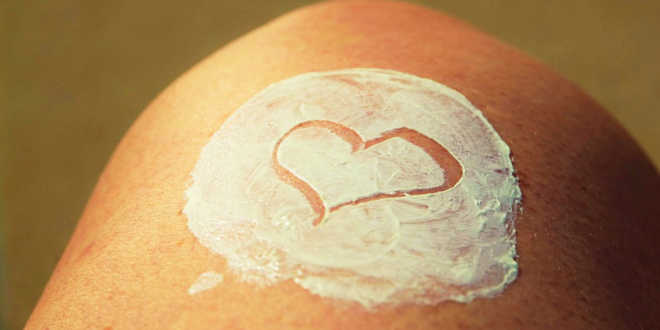
Aloe vera shortens the post-surgery healing process
Dr. Eshghi and his colleagues divided 49 patients in two groups and they underwent hemorrhoid surgery. One of the groups took a placebo and the other aloe vera. Unlike the placebo group, the researchers found that those patients who used aloe vera cream three times a day improved in just two days.
After two weeks, the aloe vera group still improved even if they took less analgesics. Moreover, this group healed its wounds in fourteen days while the placebo group remained with half of the wounds unhealed and even inflamed.
From this study, many scientists believed that this plant can shorten the healing process in all the cases (not only after a specific surgery). Therefore, the treatment should be used for wound healing in general and after going through radiotherapy.
The aloe vera plant relieves the skin reactions after radiotherapy
The radiotherapy treatment against cancer tends to trigger serious skin irritation due to the open wounds. This hinders the healing process, apart from affecting the quality of life of the patients.
A study published in the Indian Journal of Palliative Care examined the way in which the aloe vera gel acts on the skin treated with radiation. 57 people who suffer head or neck tumors participated in the study. The trial group used an aloe vera gel treatment on a daily basis, while the control group used a standard treatment.
The study proved how the aloe vera gel delayed the onset of skin irritation and the symptoms were less serious than in the control group. Moreover, the group that used aloe vera gel experienced less pain in the next radiation session. In fact, the researchers concluded that the gel reduces the damage produced by radiation.
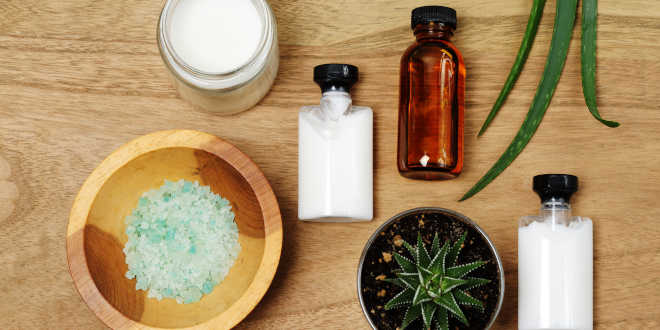
Aloe vera relieves the psoriasis
In the Psoriasis World Day of 2013, a fourth of those who suffer psoriasis stated that they do not follow medical advice because they feel misunderstood. The problem lies in the fact that even if there is a wide range of medicines (like corticosteroids), they usually have no effect and they trigger serious side effects.
On the other hand, there are more and more studies that confirm the success of aloe vera on treating psoriasis. One of the studies took place in the University Hospital from Malmö in Switzerland. The researchers analyzed 60 patients with moderate psoriasis between the ages of 18 and 50. As always, the participants made two groups: one of them used a cream with 0.5% aloe vera extract and the other used a placebo.
Thirty of the participants applied aloe vera on the affected skin three times a day. The patients were examined daily in order to check the effects of the treatment on psoriasis. The researchers prolonged the study to 16 weeks and they also tracked the participants for a year.
After the success of aloe vera, it has gained a lot of popularity which is why its demands has increased significantly.
When it comes to purchasing aloe vera, pay attention to the product
This plant grows in the five continents, specially in tropical regions. People harvest incredible amounts of aloe vera annually in order to produce the gel.
Currently, aloe vera is used in many different products: cosmetics, foods, supplements, mattresses, underwear or detergent powder.
Unfortunately, some of these products only contain an homeopathic dose of this plant. Therefore, it has no healing properties whatsoever.
That is why is you want to benefit from the extraordinary properties of aloe vera, you should purchase quality products only.
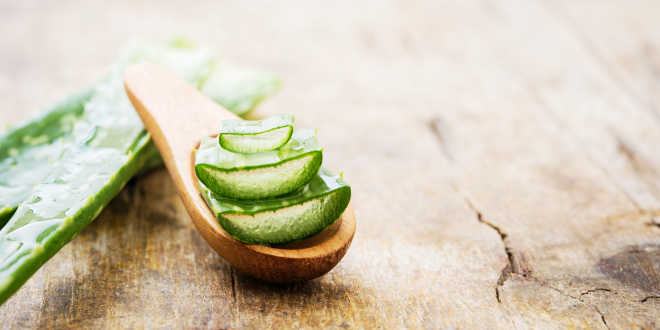
Always choose quality products
Some aloe vera products contain other ingredients or some kind of perfume. Therefore, they are not pure gels.
Now, we have created a guide with the most important aspects of an aloe vera product.
Always choose natural products and avoid excessively processed ones
Many products contain the term “whole aloe vera leaf”. However, as we mentioned before, we should avoid taking the aloe vera leaf since its skin is poisonous and it can trigger diarrhea and abdominal pain. This also applies if you have your own plant at home, make sure to peel it before using it.
Those products that use the whole leaf tend to filter it to eliminate the poisonous skin. However, this also removes part of the beneficial active ingredients from the leaf.
Choose organic aloe vera
It is indispensable to always choose organic aloe vera. This plant does not suffer any plague, which is why it does not need pesticides. However, it can be cultivated next to other plants that need pesticides. That is why it is important to make sure that aloe vera comes from ecological agriculture.

Choose aloe vera pure juice, without concentrates of any kind
This process affects the active ingredients of the plant.
Pasteurization or conservation?
Without a conservation process, it is impossible to keep the juice for a long time. That is why it has to undergo a process that will ensure its preservation.
There are two conservation methods: pasteurizing the juice or adding many artificial preservatives.
We always suggest pasteurized aloe vera juices because its main active ingredient, aloverosis (acemannan), is resistant to heat. Therefore, the juice preserves all its benefits. On the contrary, aloe vera juice with preservatives has synthetic substances which are not beneficial.
IASC seal
If you want to know if the product has the IASC (International Aloe Science Council) seal, you can check it in the following website: www.iasc.org.
Acemannan content of aloe vera
The higher the acemannan content from aloe vera juice, the more effective it will be.
High quality juice contains around 1200mg of acemannan per liter. Ocasionally, acemannan is also called aloverose and its exact content has to be listed in the product label.
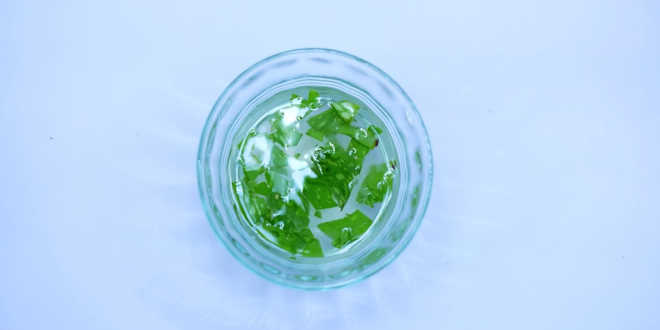
Check the aloe vera ingredient list
Always check the ingredient list in the product label or description. Also check the aloe species, that is, aloe vera or aloe barbadensis miller.
If the list includes water or any other ingredient it means that the product has more ingredients than pure aloe vera.
If the product states “100% aloe vera pure juice”, it just means that it is pure juice. However, it can contain a lot of water mixed with 100% aloe vera juice. That is why it is so important to read everything carefully.
What should be the aspect of aloe vera juice
The juice is similar to freshly-squeezed orange juice. It has a clear yellow color with small bits, similar to orange pulp. Moreover, it has an intense flavor, which is why you may not like it the first time you try it. If the juice tastes sweet it means that it has sugar or flavoring.
If the aloe vera juice looks like water, it may be just water with very little aloe vera, so it will barely produce any effect.
Aloe vera gels are more solid. In general, they have a viscous aspect because they usually include a thickener (for example, xanthan gum). It imitates the consistency of a gel made of natural leaf, which is why the consumer tends to believe that it is untrated aloe vera juice.
The consistency of the gel is no longer present in high quality juice. In fact, they become liquid through a stabilization process, which does not alter the quality of the product.
The price
We suggest avoiding products sold in Multi Level Marketing (MLM), since their price is 30 euros per liter. However, this does not mean that the product has a higher quality. This increase is due to the commissions and bonuses of the distributors involved in their commercialization.
If you want to cultivate an aloe vera plant, you will get your own aloe vera gel directly.
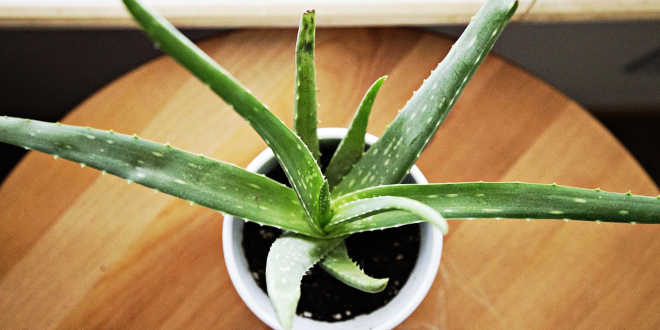
Cultivating aloe vera at home
It is very easy to grow your own aloe vera plant at home. To do so, you just need to make sure the plant gets enough sunlight and water. These are our tips to cultivate an aloe vera plant:
- Aloe vera needs between 8 and 10 hours of sunlight every day. But it can survive even a lower temperature. If you live in a place where it snows a lot, you need to protect the plant against snow and freezing.
- In the summer, the plant will feel more comfortable outdoors. Keep it in a sunny spot, protected from the wind and rain. Nevertheless, young plants will handle a lot of sunlight, as long as they have some shadow as well.
- If you want to put the plant on a window, choose one that looks to the west or to the south. However, make sure that the plant is not too little so that it can grow without falling.
- The substrate should be permeable, dry and slightly calcareous, similar to cactus substrate.
- Aloe vera does not stand humidity or a humid soil.
- Water the plant only when the substrate is dry.
- Do not water the plant excessively since it could rot. Just put some water on a dish under the plant.
Once the aloe vera reaches a certain size and age, you can make your own aloe vera gel at home.
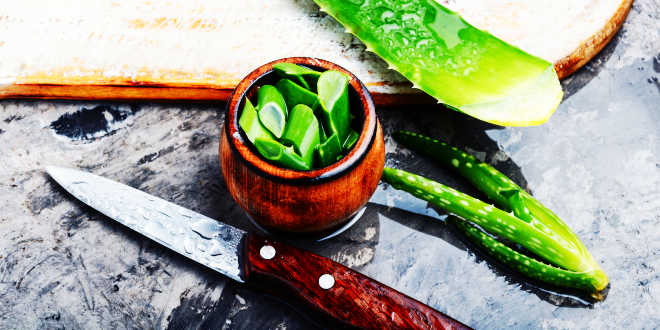
How to make your own aloe vera gel at home
The aloe vera plant has to be 3 years old and at least 12 leaves. Once the plant meets these conditions, you will have to:
- Cut one of the external leaves and put it vertically. Leave it inside a recipient for 1.5 hours so that the plant will let the aloin out.
- To do this, cut the leaf on its widest part, around 3cm.
- You can also cut the leaf lengthwise. Always use a sharp and disinfected knife. Make sure to not get close to the inside of the bark. Make a clean cut to let the gel come out.
- Once extracted, put the gel in a glass recipient. You should disinfect it previously with hot water.
- The extract gel will only be perfectly preserved in the fridge for a few days That is why we suggest using the fresh gel with all its properties.
- You can store the aloe vera gel with a glass of wine (a 20%) and freezing the blend.
Important
Before using the aloe vera gel, it is important to know what we want to treat.
Bibliography
- Peter Carl Simons, Aloe Vera – 6’000 Jahre Medizingeschichte können sich nicht irren: Was ihnen die Pharma-Industrie nicht erzählt – aber schon zu Kleopatras Zeiten jedes Kind wusste, BoD – Books on Demand, 2015.
- European Medicines Agency Evaluation of Medicines for Human Use. Community Herbal Monograph on Aloe barbadensis Miller and on Aloe (various species, mainly Aloe Ferox Miller and its hybrids)), October 2006.
- Khorasani G. et al, Aloe versus silver sulfadiazine creams for second-degree burns: a randomized controlled study , July 2009.
- Frank Wappler, Gerald Spilker, Verbrennungsmedizin: Vom Unfallort bis zur Rehabilitation, Georg Thieme Verlag, December 2008.
- Stump Julia, Antiinflammatorische Wirkung von Aloe vera Gel (97,5%) im UV-Erythemtest, eine monozentrische, randomisierte, placebokontrollierte Doppelblindstudie, Dissertation, Albert-Ludwigs-Universität Freiburg, 2006.
- Eshghi F, Effects of Aloe vera cream on posthemorrhoidectomy pain and wound healing: results of a randomized, blind, placebo-control study., J Aging Complement Med, June 2010.
- Aloe vera, July 2015.
- Syed, Management of psoriasis with Aloe vera extract in a hydrophilic cream: a placebo-controlled, double-blind study., Tropical Medicine & International Health, August 1996.
- Vogler B. et al, Aloe vera: a systematic review of its clinical effectiveness, British Journal of General Practice, October 1999.
- Amar Surjushe et al, Aloe Vera: A Short Review, Indian J Dermatol, April 2008..
- Deng S. Plant extracts for the topical management of psoriasis: a systematic review and meta-analysis, Br J Dermatol, October 2013.
Related Entries: