


 Fitness, Nutrition, Health and Sports Blog In the HSNstore Blog you will find tips about Fitness, sport in general, nutrition, and health – HSNstore.com

- Glutamine is a conditionally essential amino acid that plays a fundamental role in metabolism and muscle recovery, making it a popular supplement among athletes.
- It is considered a “building block” for proteins and is especially important for maintaining nitrogen balance in the body during periods of intense physical stress, such as strenuous exercise or resistance training.
- Glutamine is also known for its ability to strengthen the immune system and improve gut health, and it may contribute to reducing fatigue and muscle soreness, accelerating recovery after training.
Properties of L-Glutamine in Athletes
Glutamine is considered a “must-have” for sportspeople and athletes who engage in intensive training due to its numerous benefits. These include:
- Promotes protein synthesis, supporting muscle growth and counteracting muscle mass loss.
- Regulates blood sugar levels, ensuring the body has the glucose needed to convert into energy.
- Regulates the secretion of growth hormone, necessary for fat metabolism and muscle formation. Clinical studies indicate that it may increase growth hormone release by 400% and testosterone by 200% when taken after training.
- Helps regulate the body’s pH and ensures the balance of acids and bases necessary for proper cellular function. It also acts as a neurotransmitter, enabling communication between cells.
- Promotes optimal intestinal tract health, protecting it from potential damage and stomach ulcers.
- Participates in nitrogen transport in the body, which is necessary for protein and creatine synthesis.
- Prevents muscle catabolism.
- Is an important source of carbon for glucose production in certain cells.
- Is essential for glutathione synthesis, an endogenous antioxidant that protects the liver from toxins.

Effects on the Body
Glutamine has positive effects on the body and is important for athletes and sportspeople in terms of performance, recovery, and optimal training results.
In the Muscles
Glutamine is used in fitness to increase muscle mass, but its effectiveness in healthy individuals is limited. In cases of deficiency, it may prevent catabolism and promote muscle anabolism.
In Brain Function
In the brain, glutamic acid functions as a neurotransmitter. Most brain structures where information transfer from one neuron to another (synapse) takes place use glutamic acid as a transmitting substance, supporting brain function and mental activity.
In the Immune System
On the one hand, it should be noted that glutamine is an amino acid whose presence is essential for maintaining the immune system, as it is used by immune cells to sustain lymphocyte proliferation and cytokine production by lymphocytes and macrophages (Calder et al. 1999).

Foods Containing Glutamine
These include meat, fish, nuts, and dairy products. Cottage cheese or quark is another food that stands out as a natural source of glutamine.
And good news: this amino acid is heat-resistant, which is why cooking does not affect it. As a dietary supplement, it is also available in the form of L-Glutamine or Glutamic Acid.
| Table of Animal-Based Foods with Glutamine | |
| Food | Glutamine Content (approx. serving) (in grams) |
| Fish (salmon) | 4.9 |
| Seafood (shrimp) | 3.5 |
| Beef | 3.6 |
| Turkey | 3.2 |
| Chicken | 2.7 |
| Cheese | 1.3 |
| Yogurt | 1.3 |
| Eggs | 0.6 |
| Milk | 0.6 |
| Table of Plant-Based Foods with Glutamine | |
| Food | Glutamine Content (approx. serving) (in grams) |
| Nutritional yeast | 4.4 |
| Kale | 2.9 |
| Tempeh | 2.7 |
| Parsley | 1.1 |
| Almonds | 1.6 |
| Pistachios | 1.6 |
| Quinoa | 1.4 |
| Seaweed (nori) | 1.4 |
| Lentils | 0.9 |
| Chickpeas | 0.9 |
| Tofu | 0.9 |
| Spinach | 0.7 |
| Beans | 0.7 |
Possible Side Effects
Glutamine supplement consumption is generally safe, but excessive doses may cause mild side effects.
Can Glutamine Deficiency Symptoms Occur?
Glutamine deficiency can cause significant damage to the immune system, as this amino acid is vital for protecting mucous membranes and preventing infections. In addition, lack of glutamine may lead to low muscle tone, lack of concentration, and difficulty performing physical efforts.
Stress and intense physical exercise can deplete glutamine levels, resulting in increased demand from the immune system. Symptoms of glutamine deficiency include poor recovery, excessive fatigue, loss of appetite, lethargy, and greater susceptibility to infections.
L-Glutamine Supplements at HSNstore
HSN is the best option to buy glutamine supplements thanks to its competitive pricing, high manufacturing quality, use of the best raw materials, and fast order delivery.
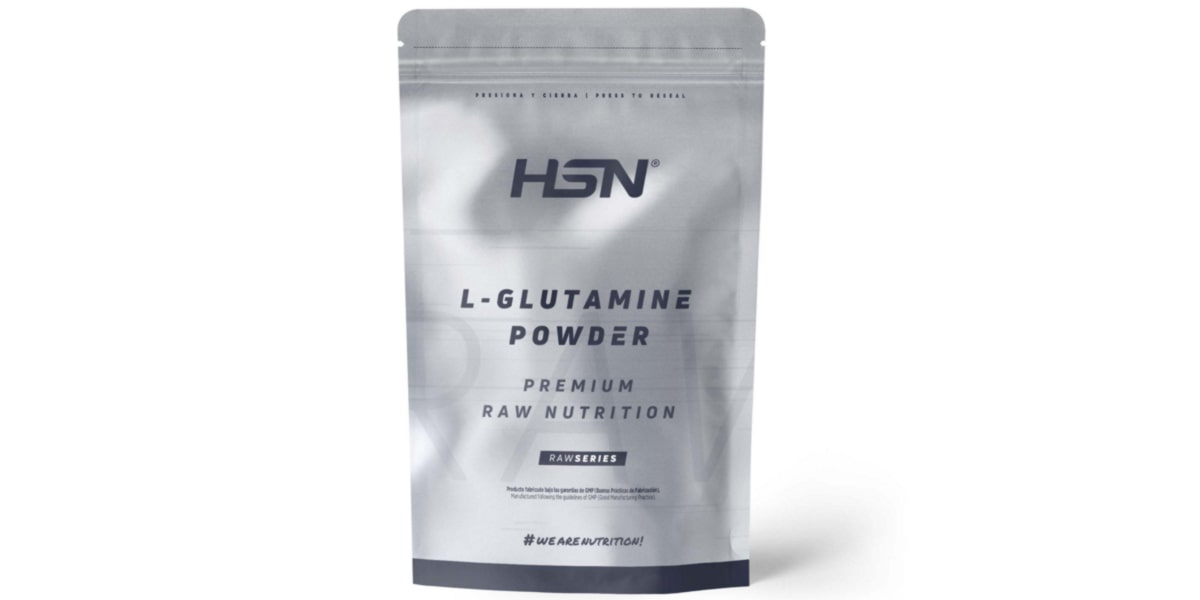
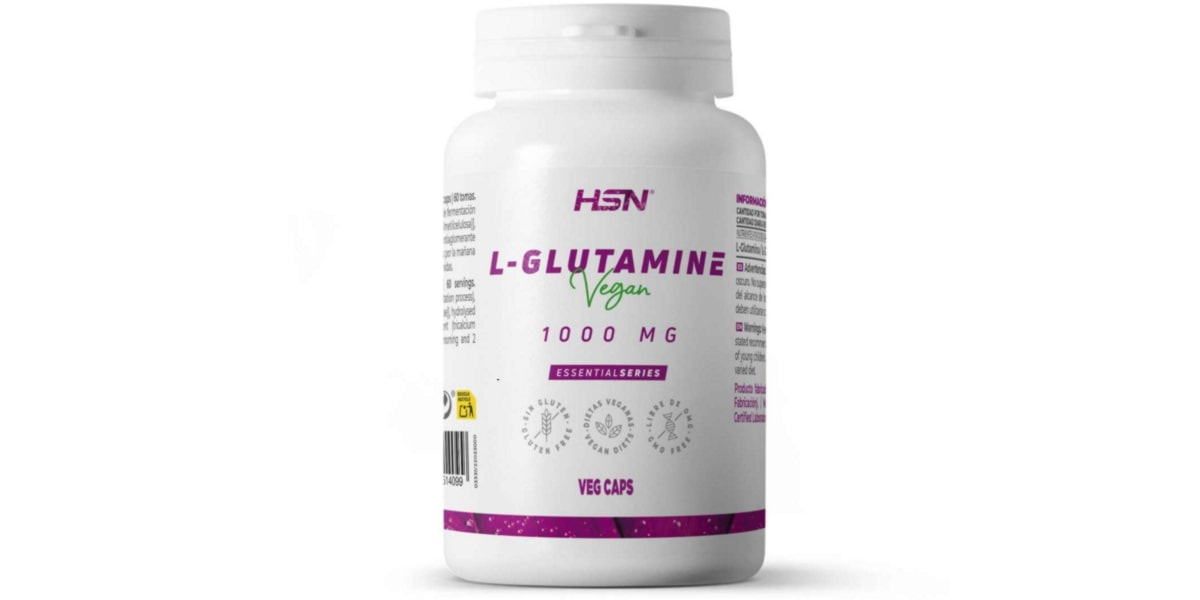
EssentialSeries L-Glutamine 1000mg.
Conclusions
Glutamine is important for athletes and individuals seeking to improve physical performance, strengthen their immune system, reduce stress, and increase concentration. Although it generates controversy in the field of sports supplementation, those who have experienced its positive effects value it highly.
Glutamine counteracts muscle stress and fatigue associated with intense training, promoting better recovery. It is an essential component of an appropriate sports and nutritional strategy to achieve optimal results.
Bibliographic Sources:
- Miller, A. L. 1999. Therapeutic considerations of l-glutamine: a review of the literature. Alternative Medicine Review 4:239-248; Antonio, J, et al. 1999. Glutamine: a potentially useful supplement for athletes. Canadian Journal of Applied Physiology 24: 1-14.
- Griffiths M, Keast D. The effect of glutamine on murine splenic leucocyte responses to T- and B- cell mitogens. Cell Biology 1990;68:405-408.
- Newsholme EA. Psychoimmunology and cellular nutrition: an alternative hypothesis. Biol Psychiat 1990;27:1-3.
- van Hall G, Saris WH, van de Schoor PA, et al., The effect of free glutamine and peptide ingestion on the rate of muscle glycogen resynthesis in man. Int J Sports Med 2000 Jan;21(1):25-30.
- Bowtell JL, Gelly K, Jackman ML, et al., Effect of oral glutamine on whole body carbohydrate storage during recovery from exhaustive exercise. J Appl Physiol 1999 Jun;86(6):1770-7.
- Calder, PC & Yagoob, P. (1999). Glutamine and the immune system. Amino Acids. 17(3), 227-41. https://doi.org/10.1007/BF01366922
- Candow, DG; Chilibeck, PD; Burke, DG; Davison, KS & Smith-Palmer, T. (2001) Effect of glutamine supplementation combined with resistance training in young adults. Eur J Appl Physiol, 86(2):142-9. 10.1007/s00421-001-0523-y
- Cruzat, V. F., Krause, M., & Newsholme, P. (2014). Amino acid supplementation and impact on immune function in the context of exercise. Journal of the International Society of Sports Nutrition, 11, 61. http://doi.org/10.1186/s12970-014-0061-8
- Halmos, E. P., Christophersen, C. T., Bird, A. R., Shepherd, S. J., Muir, J. G., & Gibson, P. R. (2016). Consistent Prebiotic Effect on Gut Microbiota With Altered FODMAP Intake in Patients with Crohn’s Disease: A Randomised, Controlled Cross-Over Trial of Well-Defined Diets. Clinical and Translational Gastroenterology, 7(4), e164–. http://doi.org/10.1038/ctg.2016.22
- MacLennan, PA; Brown, RA & Rennie, MJ. (1987). A positive relationship between protein synthetic rate and intracellular glutamine concentration in perfused rat skeletal muscle. Febs Lett., 4;215, 187-91.
Related Articles
- Complete Guide on How and How Much Glutamine to Take.
- Complete Guide on Methionine.
- Everything You Need to Know About the Amino Acid Glycine.
- Properties and Benefits of L-Phenylalanine.
- Discover the Key Properties of Histidine.
- Learn About the Benefits of Branched-Chain Amino Acids for Athletes.
- Why Include Essential Amino Acids (EAAs) in Your Sports Routine?
- HMB Is the Most Complete Supplement for Muscle Growth.




I was really concerned about the benefits and some special benefits of glutamine. This really helped alot.