Fitness, Nutrition, Health and Sports Blog In the HSNstore Blog you will find tips about Fitness, sport in general, nutrition, and health – HSNstore.com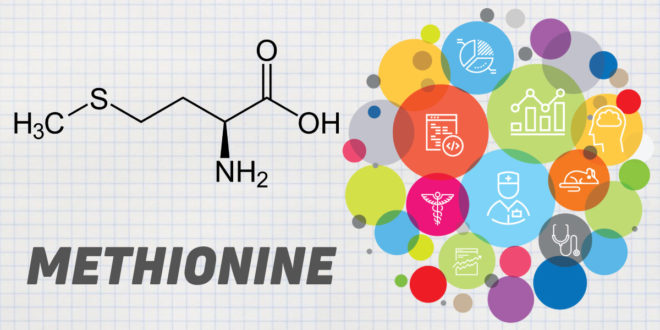

Today, we are going to talk about Methionine and all the features of this essential amino acid.
What is Methionine?
It is an aliphatic sulfur amino acid, an essential oxyacid. All in all, it is an absolutely essential amino acid.
Like any other essential amino acid, we have to obtain it from the diet by all means. Otherwise, we will suffer the consequences of its deficiency, right?
Thus, methionine is an amino acid that we need to consume in order to survive. But why do we insist on this aspect so much?…
Because methionine is the most “peculiar” essential amino acid of them all
- A deficiency can cause a series of issues, such as: depleting the antioxidant enzymes, damaging the liver, kidneys, blood vessels, even trigger heart failure and death.
- On the contrary, an excess is starting to be associated with: the proliferation and onset of cancer, hepatic-renal damage, neurodegenerative diseases, as well as heart and cardiovascular diseases.
But, how do we know how much we need to consume? Well… We actually do not know, but stay, because we are going to explain what this is all about.
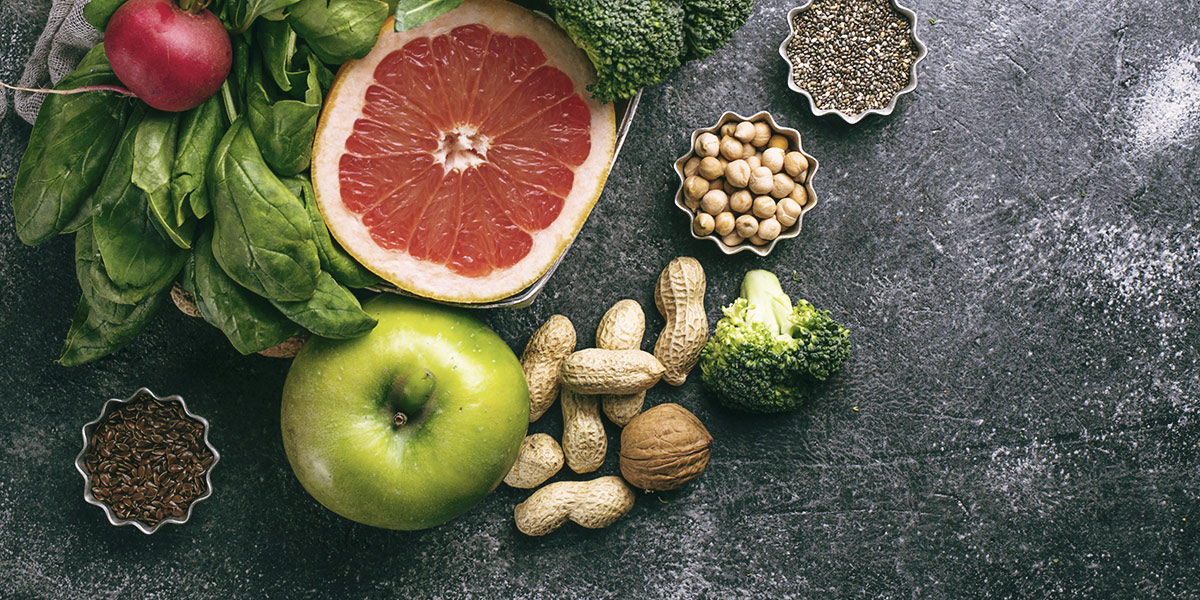
Some sources of methionine
Leucine, Isoleucine, Valine, Lysine, Methionine, Threonine, Tryptophan, Histidine and Phenylalanine.
Nevertheless, if you want to learn more about the essential amino acids, click here.
How is it distributed in the organism?
Methionine is metabolized just like the rest of amino acids.
Once they are absorbed by the enterocytes and they go to the interstitial space, amino acids perform:
- Anabolic functions (reduction): synthesis of protein and biologically active peptides.
- Catabolic functions (oxidation): transamination, deamination and decarboxylation.
Methionine intake
In general, a normal intake will help us have good amounts of this amino acid in the different body tissues. Thus, it will be able to perform its structural and regulatory functions without any issue.
However, an excessive consumption can lead to the accumulation of methionine in the blood plasma. Consequently, it will make its oxidation easier in order to preserve a state of homeostasis by producing methionine R-Sulfoxide and S-Sulfoxide.
In reality, methionine sulfoxide is a substance that has been associated with age-related oxidative damage in several occasions. In fact, it is considered a “waste product”.
Why take Methionine?
Do not be alarmed, sometimes we focus too much on the negative aspects.
Although methionine is absolutely necessary for the proper functioning of the body. In fact, we will most certainly get sick without it.
Liver care
Above all, methionine is involved in the hepatic metabolism by donating methyl and sulfur groups. All in all, it synthesizes Succinyl-CoA, homocysteine, cysteine (which synthesizes glutathione and taurine), creatine and carnitine.
Regulate the cholesterol
Taking enough methionine is related to lower LDL (Low-Density Lipoprotein) cholesterol levels, thanks to the proper functioning of the liver. In fact, it regulates the methylation reactions and it works as a precursor of S-Adenosyl Methionine (SAMe), glutathione and antioxidant enzymes like SOD, CAT, GPx and GPr.
Moreover, it regulates the immune response and it is necessary for a healthy growth and development.
Antioxidant effect
Moreover, the homocysteine transsulfuration through a metabolic process by methionine results in cysteine, which becomes glutathione.
To put it briefly, glutathione is the most important antioxidant in the body, which inhibit reactive oxygen species, nitrogen and sulfur. In addition, it protects the organs against a cytokine overproduction, regulating the immune response and buffering oxidative damage.
For example, paracetamol is a particularly toxic element for the liver that depletes the glutathione concentrations aggressively. However, one of the remedies to restore the glutathione concentrations after a paracetamol intoxication is high doses of methionine.
Methyl and sulfur group donors
Methionine is truly an interesting compound due to the fact that it donates methyl and sulfur groups to produce elements like SAMe or Glutathione. Therefore, it helps to improve the hepatic health that has been damaged by metabolized substances through this pathway, for example.
The DNA methylation has been related to a lower risk of cancer due to non-programmed inhibition of promoter genes. Moreover, it also involves the formation of chromatin by adding methyl groups to the cytosine.
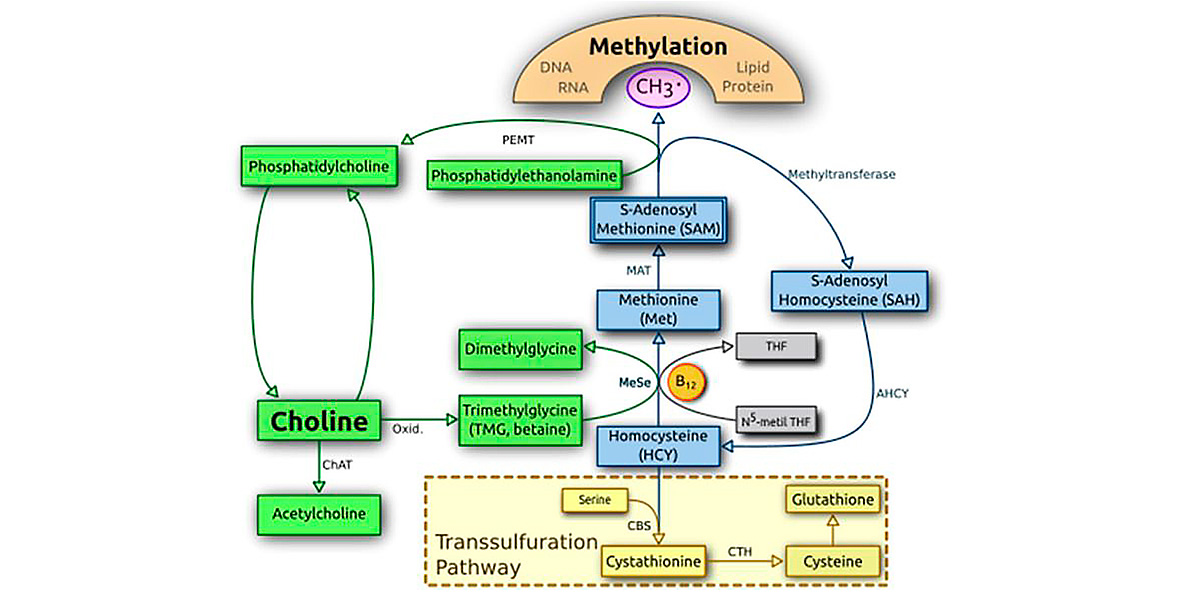
Figure I. Metabolic pathway of transmethylation and transsulfuration.
Natural Sources of Methionine
| Methionine Content (mg/100g of raw product) | |
| Nuts | |
| Sesame | 602 |
| Almonds | 518 |
| Pistachios | 367 |
| Pumpkin seeds | 617 |
| Legumes | |
| Peanuts | 317 |
| Soy | 525 |
| Lentils | 194 |
| Cereals | |
| Wheat | 196 |
| Rice | 150 |
| Corn | 182 |
| Bread | 140 |
| Tubers | |
| Potato | 26 |
1st Chart
| Methionine Content (mg/100g of raw product) | |
| Vegetables | |
| Chard | 8 |
| Pumpkin (pulp) | 9 |
| Broccoli | 61 |
| Cauliflower | 44 |
| Asparagus | 28 |
| Spinach | 46 |
| Lettuce | 24 |
| Fruit | |
| Strawberry | 1 |
| Apple | 3 |
| Mandarin | 14 |
| Melon | 6 |
| Banana | 22 |
| Watermelon | 648 |
| Grape | 23 |
2nd Chart
| Methionine Content (mg/100g of raw product) | |
| Meat and Guts | |
| Pork | 321 |
| Lamb | 383 |
| Liver | 491 |
| Chicken | 800 |
| Duck | 397 |
| Rabbit | 225 |
| Fresh Fish and Canned products | |
| Canned tuna | 653 |
| Sole | 396 |
| Sardine | 621 |
| Salmon | 469 |
| Milk and Eggs | |
| Breast milk | 19 |
| Cow milk | 86 |
| Goat milk | 50 |
| Eggs | 416 |
3rd Chart
Contraindications
However, this does not mean that methionine cannot be potentially harmful. Like any other compound, there is an hormetic curve where a deficiency is harmful, a good intake is beneficial, and an excess is harmful once again.
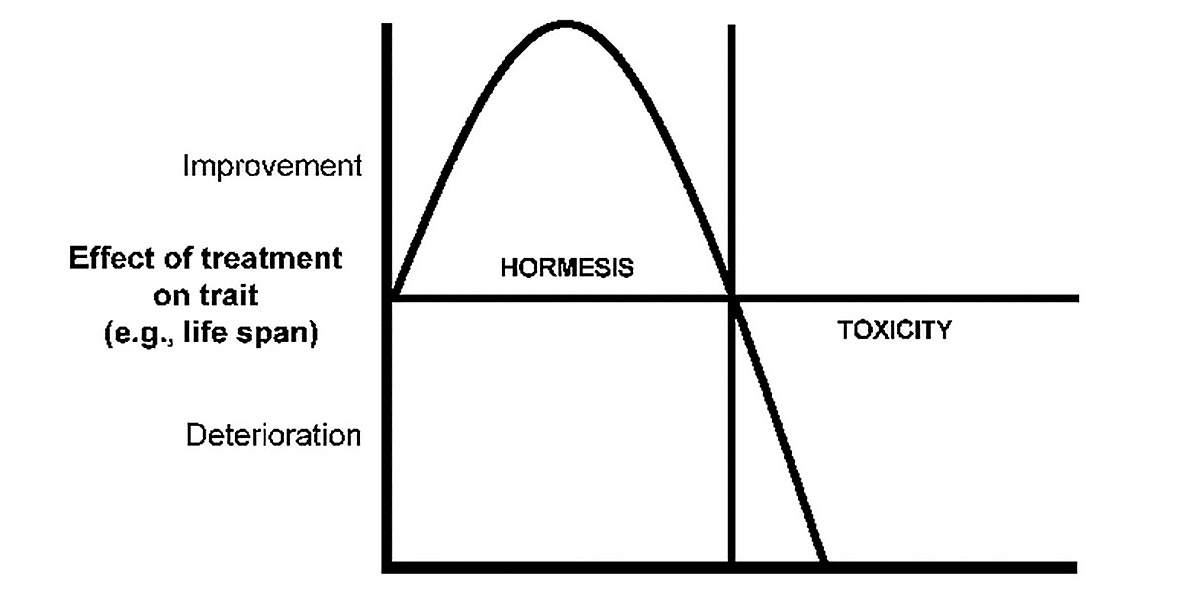
Figure II. Graphic representation of the hormetic effect.
Excess of Methionine
“The poison is in the dose”.
In fact, an excess of methionine can alter the transmethylation metabolism. Consequently, this increases the oxidation of methionine to a sulfoxide, with the consequences we have already mentioned.
But restricting the (excessive) intake of methionine has helped to correct an altered methionine/transmethylation metabolism. Moreover, it has helped to buffer the damage to the DNA, carcinogenic processes and arterial, psychiatric and neurodegenerative diseases.
Studies
In general, most studies have used observational and epidemiological methods. Therefore, their quality is actually moderate.
For example, we can observe how people who have suffered a heart attack have higher blood homocysteine levels (Ashjazadeh et al., 2013). Also, higher levels of methionine and methionine sulfoxide are related to a damaged renal function (Soares, 2017), as well as occlusive heart and cerebrovascular alterations (Soares, 2017).
In addition, Stefanello et al. (2009) showed us the effects of the chronic administration of high doses of methionine in rats and their hepatic health. What they could observe at a histological level was:
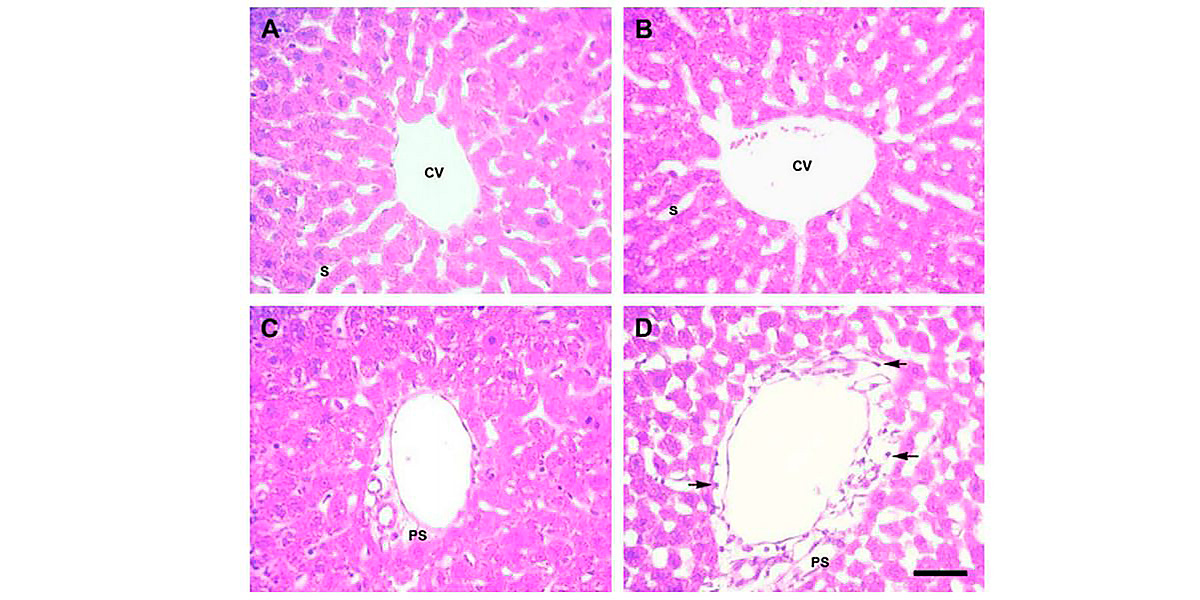
Figure III. Histological representation of the central hepatic lobe region that shows the central vein (A, B); and the hepatic region that shows a portal space (C, D); in control mice (A, C) and experimental mice (B, D). (Stefanello et al., 2009).
Analysis
However, the liver of those rats that had taken high doses of methionine (B, D) had morphological alterations in the hepatic lobes. Moreover, there was a slight disruption of the hepatocytes and a higher infiltration of inflammatory cells in the conjunctive tissue around the portal space (see arrows on image D).
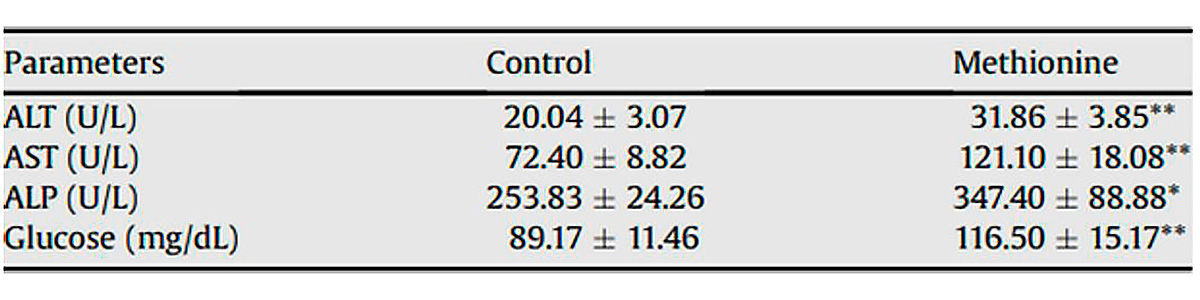
Figure IV. Serum markers of the hepatic metabolism: alanyl aminotransferase, aspartate aminotransferase, alkaline phosphatase and glucose. (Stefanello et al., 2009).
In addition, the glucose concentrations also increased significantly.
The carbonyl (protein glycation and damage marker) content of the rats’ liver increased more than a 30% in the group that took methionine. This occurred after 3 hours of its intake, but it went back to normal twelve hours later.
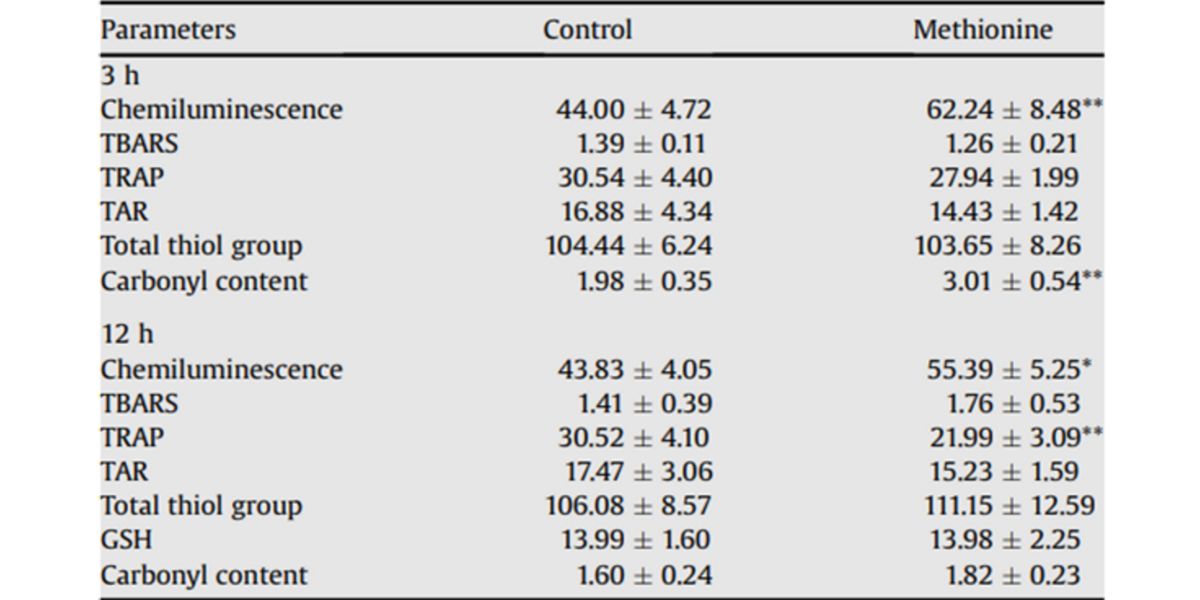
Figure V. Effects of chronic hypermethioninemia on the parameters related to oxidative stress and protein glycation. (Stefanello et al., 2009).
Conclusions of the study
Well, this is pure speculation, but a high blood methionine concentration can lead to its oxidation and the alteration of the structural integrity of the cells.
Above all, this specially affects liver cells due to an altered transmethylation metabolism.
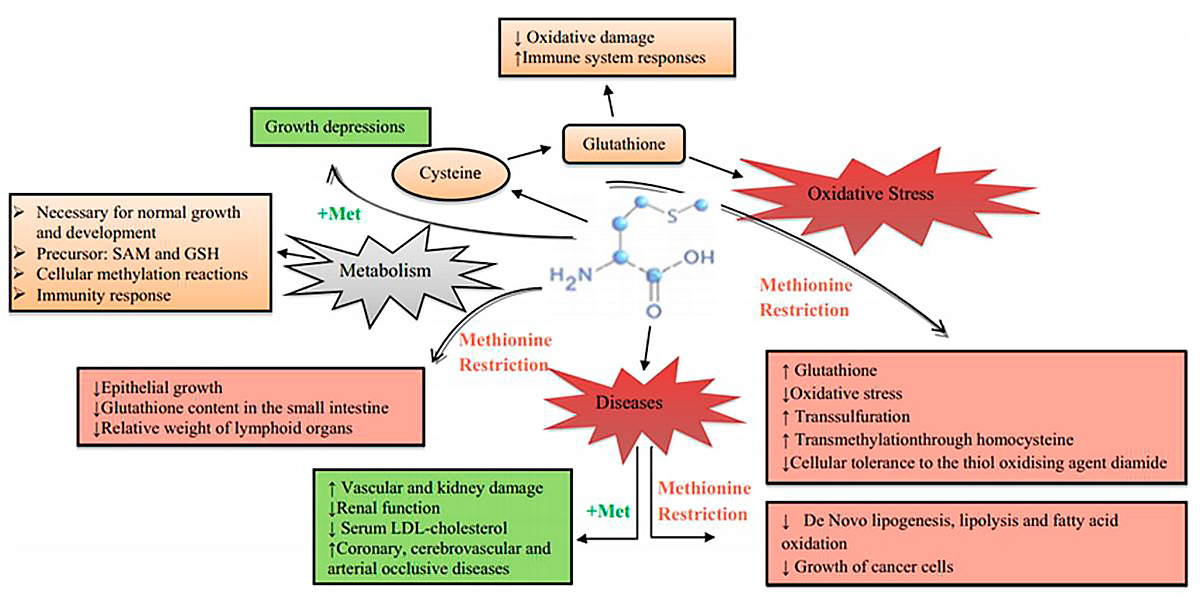
Figure VI. Proposed model of the main biological effects, both positive and negative, due to the consumption and restriction of methionine (Martínez et al., 2017).
Conclusions
The magnitude of an excess is unknown, as well as the threshold when the curve of the “benefits” starts to go down. Therefore,this amino acid that has many properties as long as we take the recommended dose.
Bibliography
- Castell, L. M., & Newsholme, E. A. (2001). The relation between glutamine and the immunodepression observed in exercise. Amino Acids, 20(1), 49–61.
- Chiurchiù, V., & Maccarrone, M. (2011). Chronic Inflammatory Disorders and Their Redox Control: From Molecular Mechanisms to Therapeutic Opportunities. Antioxidants & Redox Signaling, 15, 2605–2641.
- Koc, A., & Gladyshev, V. N. (2007). Methionine sulfoxide reduction and the aging process. Annals of the New York Academy of Sciences, 1100, 383–386.
- Lim, J. M., Kim, G., & Levine, R. L. (2019). Methionine in Proteins: It’s Not Just for Protein Initiation Anymore. Neurochemical Research, 44(1), 247–257.
- Martinez, Y., Li, X., Liu, G., Bin, P., Yan, W., Mas, D., … Yin, Y. (2017). The role of methionine on metabolism, oxidative stress, and diseases. Amino Acids, 49(12), 2091–2098.
- PubChem (s.f.). Methionine.
- Soares, M. S. P., Oliveira, P. S., Debom, G. N., da Silveira Mattos, B., Polachini, C. R., Baldissarelli, J., … Spanevello, R. M. (2017). Chronic administration of methionine and/or methionine sulfoxide alters oxidative stress parameters and ALA-D activity in liver and kidney of young rats. Amino Acids, 49(1), 129–138.
- Stefanello, F. M., Matte, C., Pederzolli, C. D., Kolling, J., Mescka, C. P., Lamers, M. L., … Wyse, A. T. S. (2009). Hypermethioninemia provokes oxidative damage and histological changes in liver of rats. Biochimie, 91(8), 961–968.
Related Entries
- SAMe (S-Adenosyl Methionine) has a series of important benefits for our health. If you want to find out more, click here.
- Glutathione is the most powerful antioxidant in our body, keep reading...