Fitness, Nutrition, Health and Sports Blog In the HSNstore Blog you will find tips about Fitness, sport in general, nutrition, and health – HSNstore.com

Today, we’re going to look at SAMe and its potential health benefits, especially on liver health, alleviating osteoarthritis, and neurological diseases
What is SAMe (S-Adenosyl Methionine) and What is its Function?
SAMe is the form in which the amino acid methionine is bound to an ATP molecule and acts in the body as a co-substrate “donor” of methyl groups, which are responsible for acting on the body’s metabolic reactions as regulators.
The depletion of SAMe levels in the body is associated with reductions in GSH (glutathione) levels and aggravation of conditions related to liver pathologies in sick people
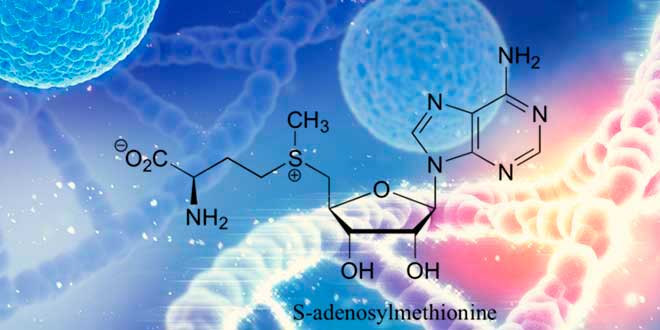
Effects of SAMe
Liver Health
This is where SAMe has a positive impact on liver health, in subjects with a liver affected by a pathological condition, usually studied as an effect of alcohol abuse.
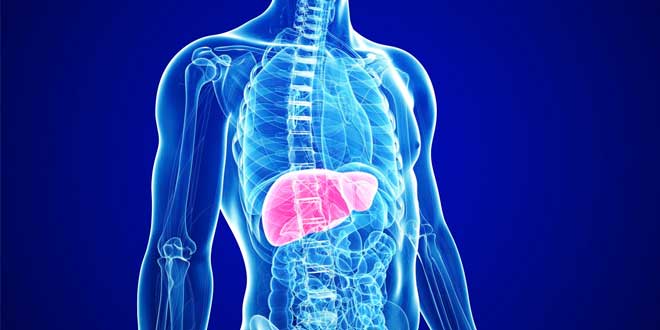
Some publications, however, do not validate the effects of SAMe on liver protection, largely based on the absence of methodical and rigorous clinical trials of SAMe administration.
Rambaldi & Gluud (2006) found no significant effects of the use of SAMe on all-cause mortality, liver-related mortality, liver transplantation or complications.
Guo et al. (2015) found that SAMe does not improve outcomes or reduce the occurrence of adverse effects for chronic liver diseases, but that the results presented did have some clinical value.
However, the fact that studies are inconclusive in this respect should not discourage us with regard to SAMe, and while it’s true that its beneficial effects on the liver are limited to certain pathologies that generate specific affectations, SAMe has demonstrated its effectiveness on other tissues.
Osteoarthritis
SAMe has been shown to have a clear positive effect in the treatment of osteoarthritis, a disease that degrades cartilage tissue in the joints and causes symptoms such as pain, swelling and reduced motor function.
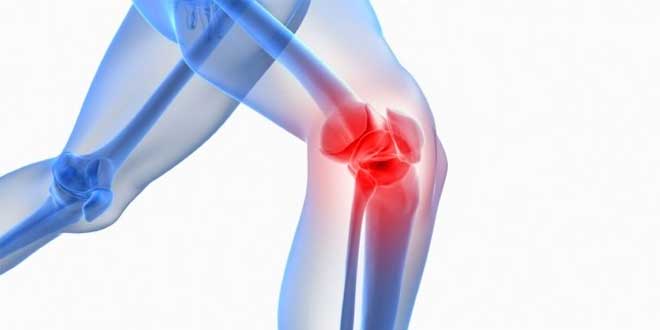
Treatment for Osteoarthritis
The treatment of this disease is oriented towards palliation of symptoms, reducing pain and inflammation. NSAIDs (non-steroidal anti-inflammatory drugs) such as ibuprofen, paracetamol or naproxen are traditionally used for this purpose. Their continued consumption is associated with negative alterations in the gastric mucosa and intestinal microbiota, meaning that when NSAID consumption is high, gastric protectants are prescribed.
They found SAMe to be more effective in reducing functional limitation in patients with osteoarthritis. SAMe appeared to be comparable with other NSAIDs, and users treated with SAMe reported fewer adverse effects than those who received NSAIDs.
Neurological Diseases
In addition to this, SAMe has the ability to cross the blood-brain barrier that covers the brain, showing in various articles the compound has great potential for the treatment of neuropsychiatric diseases, as shown by Sharma et al. (2017).

Alleviating depression in men
SAMe appears to be a gender-sensitive compound, having a more positive impact in males, as shown by Sarris et al. (2015), where in a clinical trial with a double-blind methodology demonstrated a significant reduction in depression severity in males, with a 4.3 point reduction on the 17-item Hamilton depression scale; while female patients didn’t show any sensitivity to this positive effect.
Conclusions
SAMe is a relatively recent compound and requires further research to clarify the as yet unknown mechanisms of action that induce certain positive effects in the body.
Oral supplementation with SAMe can be an interesting complement to the use of NAC, but never, in my opinion, a substitute or replacement for it.
A priori, with the available data, it has the potential to be a really interesting supplement for patients with hepatic pathologies and deficiencies in this molecule, as well as for people of any age, especially the elderly population, who are neuro- and arthro-degenerative disease targets, and for which SAMe seems to show promising results.
Bibliographic Sources
- Anstee, Q., Day, C. (2012). S-adenosylmethionine (SAMe) therapy in liver disease: A review of current evidence and clinical utility, Journal of Hepatology, Pages 1097-1109.
- Guo, T., Chang, L., Xiao, Y., & Liu, Q. (2015). S-Adenosyl-L-Methionine for the Treatment of Chronic Liver Disease: A Systematic Review and Meta-Analysis. PLoS ONE, 10(3), e0122124.
- Rambaldi, A; Gluud, C. (2006) S-adenosyl-L-methionine for alcoholic liver diseases. Cochrane Database of Systematic Reviews. 2. 10.1002/14651858.CD002235.pub2
- Sarris, J., Price, L. H., Carpenter, L. L., Tyrka, A. R., Ng, C. H., Papakostas, G. I., … Mischoulon, D. (2015). Is S-Adenosyl Methionine (SAMe) for Depression Only Effective in Males? A Re-Analysis of Data from a Randomized Clinical Trial. Pharmacopsychiatry, 48(4-5), 141–144.
- Sharma, A., Gerbarg, P., Bottiglieri, T., Massoumi, L., Carpenter, L. L., Lavretsky, H., … Mischoulon, D. (2017). S-Adenosylmethionine (SAMe) for Neuropsychiatric Disorders: A Clinician-Oriented Review of Research. The Journal of Clinical Psychiatry, 78(6), e656–e667.
- Soeken, K.; Lee, WL.; Bausell, B.; Agelli, M. & Berman, B. (2002). Safety and efficacy of S-adenosylmethionine (SAMe) for osteoarthritis. The Journal of family practice. 51. 425-30.
Related Entries