Fitness, Nutrition, Health and Sports Blog In the HSNstore Blog you will find tips about Fitness, sport in general, nutrition, and health – HSNstore.com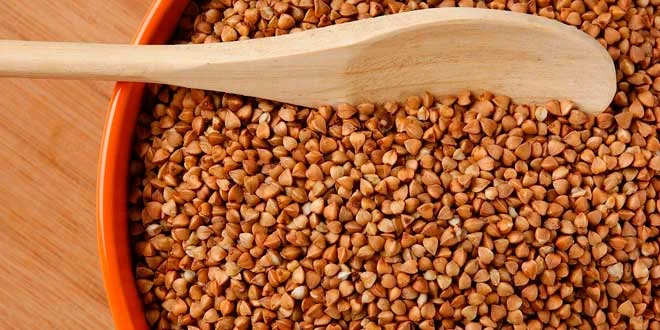

People who are gluten intolerant might find it tricky to put together their diet since there are certain foods they need to avoid. Luckily, they can enjoy benefits from other foods with similar traits but without this allergen. Today, we’re introducing an alternative to wheat, one of the main sources of gluten: Buckwheat.
What is Buckwheat?
Buckwheat or Alforfón (Fagopyrum Esculentum) is a pseudocereal, specifically a type of seed but used like a grain or cereal. It’s packed with nutrients, and actually has more fiber than oats. Plus, it offers a bunch of health benefits as we’ll see next.
It tastes great, is easy to cook with, and can be one of the healthiest foods

Buckwheat is native to central and northern Asia, harvested just like cereals. This plant is also grown to extract its flavonoids for medicinal purposes
Properties of Buckwheat
Nutritional Value

Nutritional Information of Buckwheat per 100g
Fiber
Buckwheat stands out for its high fiber content, making it a food with a strong satiating effect. It contains a proportion of here, which can improve colon health and feed the gut flora.
This fiber content also helps keep this food’s glycemic index (GI) low, making it an excellent carb choice

You can make tons of recipes with buckwheat flour
Vitamins and Minerals
Buckwheat contains higher levels, plus better bioavailability, of zinc, copper, manganese, and potassium than other cereal grains. Potassium helps regulate cellular and tissue water balance, zinc supports the immune system, copper aids red blood cell production, and manganese keeps bones healthy.

It also contains B vitamins like thiamine (0.101mg 9.4% NRV*), riboflavin (0.425mg 30% NRV), niacin (7mg 43.7% NRV), pantothenic acid (1.2mg 20% NRV), and folate (30mcg 15% NRV)
*NRV (Nutrient Reference Values) established by Regulation (EU) 1169/2011 of 25 October 2011.
Proteins
Buckwheat is one of the plant kingdom foods with the highest biological value proteins. It has more protein than rice, wheat, millet, or corn, and is rich in the essential amino acid lysine, which most cereals lack.
So, pairing buckwheat with other plant protein sources like beans or whole grains will boost your daily amino acid profile, which is super important for vegans.
Is Buckwheat Suitable for Celiacs?
The answer is yes. Buckwheat can be eaten by people who are gluten intolerant or sensitive to this allergen. Despite its name, it’s not related to wheat. It’s not a grain, it’s a seed. It’s a culinary option for those who sometimes have limited food choices.
With buckwheat or alforfón, you can make all kinds of recipes like breads, pizza bases, pasta…

Buckwheat noodles are a very common recipe among celiacs
What Are the Benefits of Buckwheat?
Regulating blood glucose
Keeping blood sugar levels high can lead to serious disorders and chronic diseases, like type II diabetes. So, regulating and controlling blood glucose with foods that don’t cause sharp spikes can really help maintain good health.
Improving insulin sensitivity
Buckwheat contains a compound called d-chiro-inositol, a form of inositol (part of the B vitamin group). It’s often used to treat polycystic ovary syndrome, and regarding glucose management, it can improve insulin sensitivity.

So, it could be a great ally for weight control and maintenance
Cardiovascular health
Buckwheat contains a range of phytonutrients(natural chemical compounds) like lignans, which reduce inflammation, improve blood pressure and flow, strengthen vessels and capillaries, and help prevent clot formation.
Antioxidant properties
Thanks to flavonoids like rutin and quercetin. It also has antioxidants like vitamin E, glutathione, phytic acid, and phenolic acids, which have anti-inflammatory, anticancer, and anti-glycation (slowing cell aging) effects. These elements help neutralize harmful free radicals at the cellular oxidative level.

Swapping regular bread for buckwheat flour bread can give your health a boost and support a healthier diet
Cholesterol control
Buckwheat has properties that reduce plasma levels of myeloperoxidase (MPO), a protein that can indicate cardiovascular risk since it may cause artery inflammation.

Eating buckwheat cookies, besides being delicious, can have amazing effects on heart health
Buckwheat Pancakes Recipe
You can get buckwheat as flour, grains (toasted or raw), flakes, pasta, and noodles. Here’s a quick and easy recipe using the flour. Pancakes are a super simple way to enjoy buckwheat’s benefits.
This recipe is vegetarian-friendly and a great idea to start the day or as a snack

A perfect breakfast!
Ingredients
- 75g buckwheat or alforfón flour
- 3 eggs
- Cinnamon
- Vanilla extract
Preparation
- In a blender, add the eggs, flour, sprinkle cinnamon, and pour in the vanilla extract. Blend until you get a smooth batter.
- In a non-stick pan, add a bit of olive oil (wipe off the excess with a paper towel), and pour the batter to cook the pancakes.
If you want more pancake recipes and ideas, check out our article with over 30 Oat and Egg White Pancake Recipes here, where you can swap oat flour for buckwheat flour in gluten-free or vegan-friendly recipes.
Related Posts
- Gluten-Free and Vegetarian-Friendly Recipes
- What is the Autoimmune Protocol?
- Discover the Properties of Oats for a Fitness Diet
- What Are the Benefits of Quinoa?