 Fitness, Nutrition, Health and Sports Blog In the HSNstore Blog you will find tips about Fitness, sport in general, nutrition, and health – HSNstore.com

One of the most common reasons diets fail is a hunger attack. The causes can vary and aren’t always linked to a nutritional deficiency or a physiological reason. Often, it’s tied to psychological issues, stress, or anxiety.
Feeling the need
Eating is one of life’s great pleasures, and sometimes just seeing or smelling food makes our hunger sensation grow stronger.
It’s pretty common for many people to feel like eating constantly, sometimes for good reasons like when we regularly work out and burn more energy than usual, but other times this craving for food can turn into something pathological and dangerous.

In these cases, family habits and external influences matter more than a person’s genetics, so everyone should adopt healthy habits to avoid compulsive and disorganized eating.
Main tips to deal with hunger
The key is to recognize that for a nutrition plan to succeed, you need to eliminate that constant feeling and keep control over your body. Since there are different reasons why we feel hungry, there are also different ways to tackle it. Here are some of the most important tips:
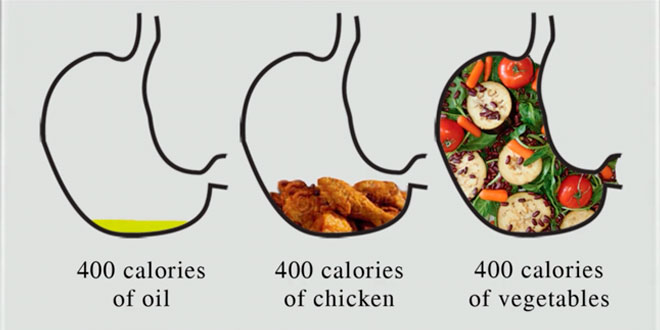
1. Give meals more volume
There’s plenty of evidence showing fiber can reduce appetite. Foods with fiber physically “stretch” the stomach when eaten, so the brain thinks we’re full.
2. Trick your appetite by drinking soup
Having a bowl of vegetable broth or soup (hot or cold) as a first course will likely help you eat fewer total calories during the meal. Soups are low-calorie foods that create satiety and are healthy.
The best choices are homemade soups with boiled veggies and low salt and fat. Creamy soups are also fine (as long as they’re as low in grasas as possible), and you can add beans or oats.
3. Reduce hunger with a big salad
Eating a low-calorie salad before lunch can help you consume between 7 and 12% fewer calories during the meal. Salads are great for calming hunger and eating less, as long as they’re not dressed with fatty dressings.

4. Watch your plates
A little variety in meals can be good and even healthy. Still, it’s important to keep certain habits and processes in check and not increase or change the variety of dishes too much.
If you add, for example, an extra dish to the meal, it should be low in calories, like a salad or a broth soup.
5. Eat fruit between meals
An orange or grapefruit a day helps extend periods without appetite. These plant-based foods, low in calories and rich in soluble fiber (like oranges and grapefruits), provide greater satiety and keep blood sugar stable longer. This can translate into better appetite control.

6. Consume more milk (or other low-fat dairy products)
Increasing intake of low-fat dairy products is a great way to boost levels of two proteins known as “appetite suppressors”: whey and casein. Drinking milk can be super effective since its whey, or liquid part, is even better than casein at reducing appetite.
7. Cycle your calories
That means setting high-calorie and low-calorie days. This helps keep leptin levels high (on high days), but also keeps calories in check. This hormone controls hunger. When it’s high (on high days), you feel more satisfied, and when it’s low, you get hungrier.
8. Learn to enjoy soy
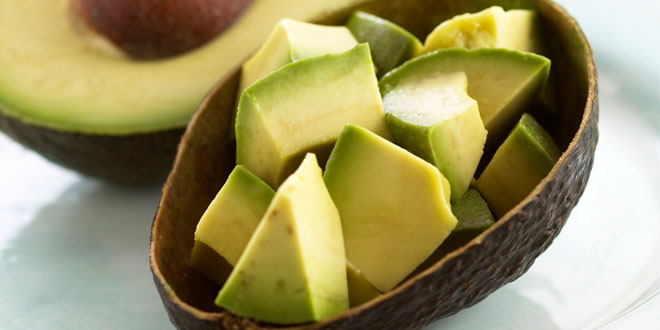
Soy offers proteins, fats, and a good amount of carbohydrates. It’s one of the plant-based foods that best helps control hunger since it also has appetite-suppressing properties.
9. Give nuts a chance
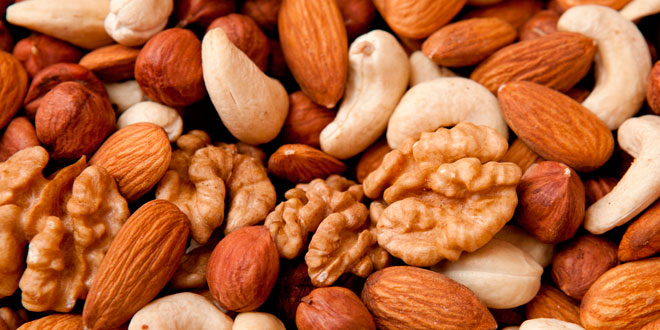
Nuts help you feel full mainly because of their high protein and fiber content. Plus, it’s recommended to eat a handful to get plenty of vitamins and minerals. However, it’s important to eat small amounts since nuts are high in fat—even though it’s the healthy monounsaturated kind, it’s best to regulate the amount and not overdo it.
10. Eat slower
At least 20 minutes are needed for the brain to send the message that the stomach is officially “full” or satisfied and that you should stop eating. Eating slowly gives the brain time to catch up with the stomach, so you’re less likely to overeat.
The main recommendations lead us to eat slower, combine foods (especially those rich in fiber), and stay properly hydrated.

Other recommendations
- First off, it’s vital to keep a routine with main meals, always eating at the same time to give your body a regular schedule so it knows when to expect food. Eating irregularly and at different times messes with your appetite and makes you feel hungrier all the time.
- Along the same lines, it’s super important to have a proper and hearty breakfast, since that’s when your metabolism kicks in and has to support you for the rest of the day.
- Energy-rich and nutritious foods like whole grains provide the vitamins you need and help eliminate waste from your body.
- Another key point to reduce appetite is getting enough rest—at least seven hours a night. If you sleep less than recommended, you’ll need more energy and feel hungrier.
Related links on this topic: