Fitness, Nutrition, Health and Sports Blog In the HSNstore Blog you will find tips about Fitness, sport in general, nutrition, and health – HSNstore.com

How many calories should we consume if we want to lose fat? Is an extreme calorie deficit necessary to lose fat?…
Let’s keep going over the Fat Myths, and today it’s time to tackle whether cutting calories to the max is necessary to lose fat. We’ve already talked about whether endless hours of cardio to lose fat are needed. Following a similar approach, let’s find out if a very low-calorie diet is the answer…
Eating Fewer Calories to Lose Weight
It’s no secret that to lose fat you need to eat fewer calories than you burn.
In fact, it’s something we’ve repeated over and over in this series of articles and in countless posts on our blog.

Now, while the previous concept is clear, the degree to which we should reduce energy intake through diet is not so obvious.
We live in a world where for everything, it seems the more, the better. If we apply this to the fitness world, the implications multiply several times. When it comes to training, most people assume that doing 20 sets of an exercise is better than 5. When it comes to protein intake, we think the higher the dose, the better, no matter what…
And when it comes to cutting calories, we’re sure that we have to “shut the mouth” and that the more we reduce food or certain macronutrients, the better.
The problem is that reality is quite different from these theoretical approaches, and if we follow this more=better philosophy, chances are we’ll crash and burn sooner rather than later.
The Marketing of Low-Calorie Diets
We’re in the prime time for miracle diets. The heat is on, summer vacations are on the horizon, wedding season starts, and the clothes covering us get thinner and thinner.

Like every year, we want to lose those love handles and show off our six-pack and/or killer legs.
The usual thing is that restrictive regimens are advertised, excluding food groups (fat and carb phobias pop up) and featuring “novel” protocols that end up distracting people from what really matters: LEARNING TO EAT.
And if the “diet” was followed by some famous “so-and-so,” forget about it.
It’s not just that the advertised diet (or recommended by some bro-scientist) tends to be very low in calories, but it usually comes with endless cardio sessions or huge training volumes. This way, you can supposedly increase energy expenditure and speed up fat loss.

All this looks great on paper, but reality tells a different story (a less pretty one 😥 )
Energy Availability, a Key Concept
Energy availability refers to the balance between calories consumed, calories burned through physical activity, and those used for the body’s basic metabolic functions like hormone production or bone formation.
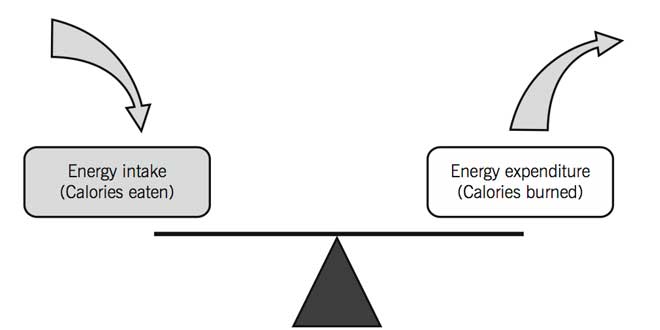
It’s usually expressed in terms of kcal/FFM (fat-free mass)
So, the formula to calculate it is:
(TEE – EEE)/FFM
Where
- TEE is total energy intake for the day,
- EEE is energy expenditure from physical activity, and
- FFM is lean body mass or fat-free mass (total weight – body fat in kg).
Consequences of Low-Calorie Diets
Some of them are (Image 1):
- Worse blood lipid profile
- Hormonal imbalances (thyroid hormones, cortisol, leptin, ghrelin, among others)
- Lower basal metabolic rate
- Worse cognitive performance and higher tendency to psychological issues
- Loss of muscle mass and strength
- Immune system impairment
- Menstrual dysfunction and loss of reproductive capacity
- Loss of bone mass
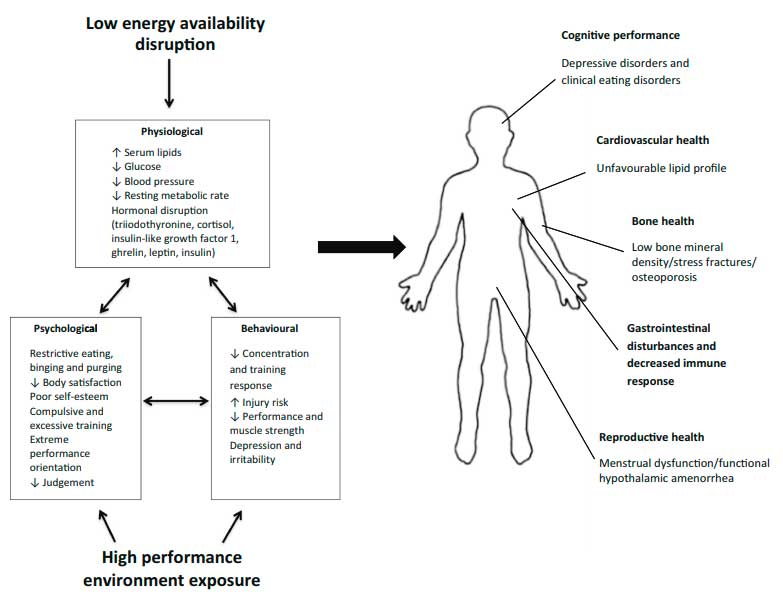
Image 1. Consequences derived from low energy availability. Taken from Logue et al., 2018.
So, from what point can we consider energy intake “deficient”?
Female Athlete Triad
Most scientific literature currently gives recommendations for women, as much research has been done on the female athlete triad.

This concept refers to the phenomenon linking low energy availability with loss of bone mass/density and reproductive function (amenorrhea and menstrual cycle disorders)
It’s super important to warn all women about the risks of this famous triad. Even though some “professionals” in the field say it’s “normal” for an athlete to lose her period, I assure you it’s not.
Just because something is common doesn’t mean it should happen. Nowadays, it’s easy to find women at the gym or young athletes who lose their period or have very irregular cycles due to terrible fat loss plans and strategies.
Bone Density Loss
Another thing to keep in mind is bone mass loss or, in adolescents, suboptimal bone formation, which will hurt a lot in the post-menstrual phase. During this period, lack of estrogens weakens bones by reducing mineral density.
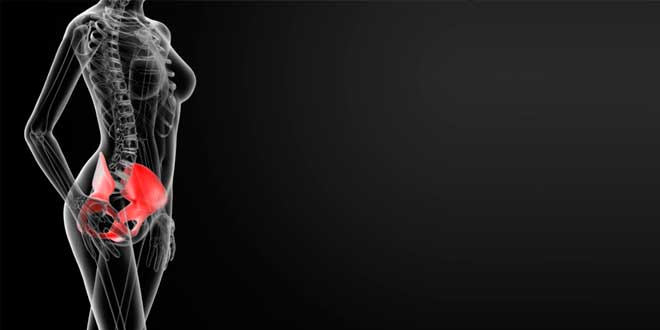
This early bone density loss doesn’t hurt or show as clearly as missing a period, but that doesn’t mean it’s not important…
What Are the Levels of Energy Availability?
There are 3 possible levels of energy availability established for women:
- >45 kcal/kg FFM per day: maintenance of all physiological functions.
- 30 – 45 kcal/kg FFM per day: acceptable range for athletes aiming to lose fat following a good nutrition and training plan for a short period.
- < 30 kcal/kg FFM per day: considered probably deficient to meet all body functions and could lead to health problems.
Low-Calorie Diet in Men
Although studies and reviews in men are scarce, there’s also a high prevalence of energy deficiency in the male group. This is shown in several observational studies illustrating how a large percentage of athletes from different sports are well below recommendations for energy, macro, and micronutrients.
It has been observed that hormonal changes can occur that affect, just like in women, reproductive capacity and overall metabolism.
Thus, significant drops in testosterone levels and sperm count have been recorded in athletes with very low calorie intake and high training volumes.
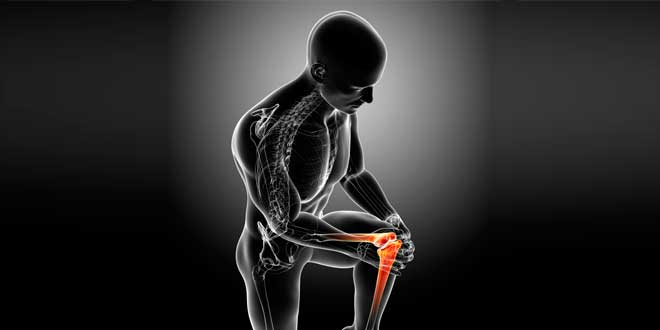
At the bone level, mineral density loss is also seen in men
Avoid Excessive Calorie Restrictions
To avoid harm caused by overly restrictive diets, some authors recommend not going below 25 kcal/kg FFM in men, along with maintaining a protein intake above 1,6 g/kg body weight per day and doing strength training (3-4 times a week) + HIIT (>1 time a week).

Other problems from excessive calorie restrictions in men include increased fatigue, higher sensitivity to cold, weakness, and mood issues
Fast Weight Loss Vs Slow Weight Loss
With all the above, we can get an idea of what’s better: losing fat fast or, on the contrary, doing it more gradually…
For those still undecided, let’s analyze some studies:
Study 1
In 2011, a study (Garthe et al., 2011) was published aiming to compare the effects of two weight loss rates (0,7% vs 1,4% of body weight). This roughly means about 0,5 and 1 kg respectively for a 70kg person.
The goal was to reach a 4% total weight loss, so the group with the bigger restriction reached this reduction before the “slow” group. The body composition results were:
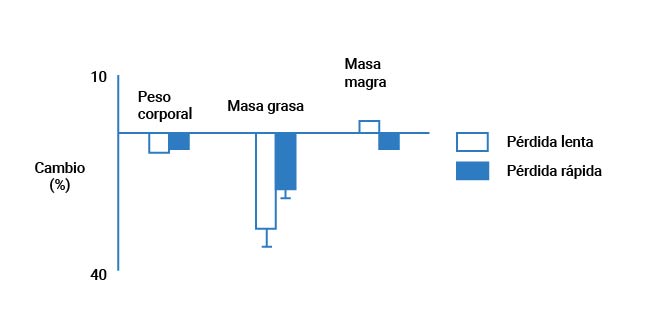
As we can see, the quality of the weight lost (fat/muscle mass ratio relative to total), was much better in the group with the smaller energy restriction
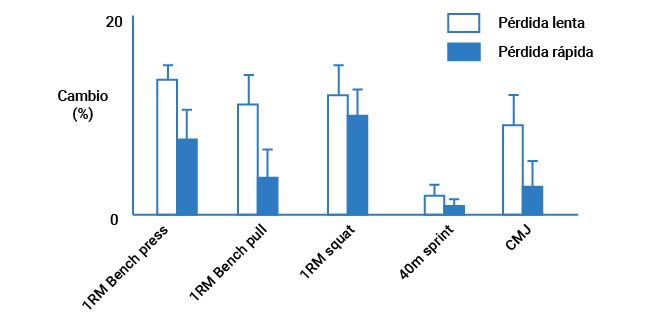
This also affected performance in many parameters analyzed:
Study 2
Another study done exclusively on women showed a significant drop in hormones like testosterone when daily energy intake was around 1000 kcal/day (Mero et al., 2010). This drop wasn’t seen in the group that maintained intake above 1300 kcal daily during the 4-week intervention.
Testosterone is an anabolic hormone, meaning it promotes tissue creation and preservation. Low levels predispose to greater muscle loss.
That’s why the authors recommend a moderate energy deficit (-500 kcal/day) that can be sustained over time without compromising hormonal status.
Study 3
In this study, the fitness competitors who participated followed this protocol:
- Strength training + HIIT. Strength training frequency was maintained throughout, but cardio (HIIT) was higher during the restriction phase than during recovery/refeed.
- Average calorie intake of about 1600 kcal (around 27 kcal/kg body weight per day) for about 20 weeks (restriction period).
- Note: that’s 27 kcal/kg body weight, NOT 27 kcal/kg lean mass. Expressed in lean mass terms, the diet exceeded the 30 kcal/kg FFM limit we set earlier.
- Average macronutrient intake during restriction was 3g protein/kg body weight, 2,1g carbs/kg body weight, and 0,95g fat/kg body weight.
- Weight loss rate was about 0,4 kg/week.

What was observed is that participants significantly reduced body fat, while lean mass decreased less but still significantly.
Regaining Lost Weight and Hormonal Levels
When participants returned to their usual calorie intake (about 2100 kcal daily) and reduced aerobic activity frequency, they regained lost fat and muscle, and partially or fully restored baseline hormone levels like leptin, testosterone, estradiol, and T3 (thyroid hormone).
Interestingly, cortisol levels were not affected during the study (normally they increase during energy deficits).
However, despite positive results, many participants experienced menstrual irregularities, either due to cycle length changes or amenorrhea.
Calorie Recommendations for Weight Loss
Authors like Eric Helms and Alan Aragon support progressive fat loss over rapid loss. Among other things, they highlight a higher risk of lean mass loss the lower the individual’s body fat %. This means a bigger deficit could be considered at the start of a cutting phase when body fat % is higher, and it should be moderated as weeks go by to better preserve muscle mass.
From my point of view, beyond preserving muscle and the quality of weight lost, setting a moderate energy deficit brings a bunch of other long-term benefits.

It helps us learn to eat and build a realistic and sustainable dietary habit
What Happens with a Prolonged Calorie Deficit?
Problems arise when a situation of:
- Very low energy intake
- Very high energy expenditure
- Deficiency of essential nutrients
- Monotonous diet

Food anxiety…
Plus the stress caused by the diet:
- Obsession with following it to the letter
- Guilt if not strictly followed
- Food anxiety (especially for ultra-processed foods)
- Hunger/eating without feeling full
- Unfavorable hormonal environment
“I’ve tried every diet and none work for me…”
Practical Recommendations to Set a Calorie Deficit
- Set a deficit that makes you lose about 0,5 kg per week. This is roughly 400-500 kcal/day or 20 – 30% of your daily requirement
- Don’t go below 30 kcal/kg lean mass in women or 25-30 kcal/kg lean mass in men
- If for some reason you don’t lose fat with these intakes, move more and try to increase your deficit through physical activity, not by cutting intake further
- To focus fat loss on fat tissue, consume a high protein intake >2g/kg body weight per day and do strength training

Health should be prioritized
Conclusions
To finish, I’d like to quote directly from the Texler article published in 2014, which says:
“It’s recommended to use the smallest deficit that results in weight loss. This may slow weight loss rate but attenuates unfavorable adaptations that jeopardize successful fat loss. […]
Large calorie deficits likely cause greater lean mass loss and compromise performance and recovery, which are critical for athletes. Participation in structured strength training and maintaining adequate protein intake likely reduce lean mass losses.”
Sources
- Logue et al., 2018. Low energy availability in athletes: a review of prevalence, dietary patterns, physiological health, and sports performance.
- Garthe et al., 2011. Effect of two different weight-loss rates on body composition and strength and power-related performance in elite athletes.
- Fagerberg 2017. Negative consequences of low energy availability in natural male bodybuilding: a review.
- Tenforde et al., 2016. Parallels with the female athlete triad in male athletes.
- Hulmi et al., 2017. The effects of intensive weight reduction on body composition and serum hormones in female fitness competitors.
- Texler et al., 2014. Metabolic adaptation to weight loss: implications for the athlete.
- Thein-Nissenbaum, 2013. Long term consequences of the female athlete triad.
- Mero et al., 2010. Moderate energy restriction with high protein diet results in healthier outcome in women.
- Papageorgiou et al., 2018. Reduced energy availability: implications for bone health in physically active populations.
Related Posts
- What is Calorie Cycling?
- Does Skipping Meals Help Lose Weight?