Fitness, Nutrition, Health and Sports Blog In the HSNstore Blog you will find tips about Fitness, sport in general, nutrition, and health – HSNstore.com

Vitamin K holds a key place among the essential nutrients for the proper functioning of the human body. Its role in proper blood clotting and maintaining strong bones is widely acknowledged within the scientific and medical communities.
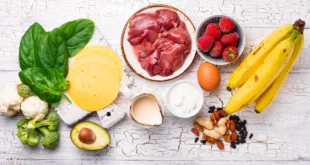
Despite its low profile in nutrition discussions, getting enough vitamin K is a vital part of a balanced diet. In this post, you’ll discover where this nutrient is found across a wide range of food sources, with a curated list that not only meets your nutritional needs but also adds variety to your meals.
| Food | Content (µg/100g) | Main function |
| Natto | 900 | Rich in probiotics |
| Leafy greens (kale) | 817 | Supports bone health |
| Asparagus | 550 | Supports urinary system health |
| Leafy greens (spinach) | 483 | Bone formation support |
| Collard greens | 440 | Important in cancer prevention |
| Soybean oil | 183 | Supports cardiovascular health |
| Brussels sprouts | 140 | Helps prevent diseases |
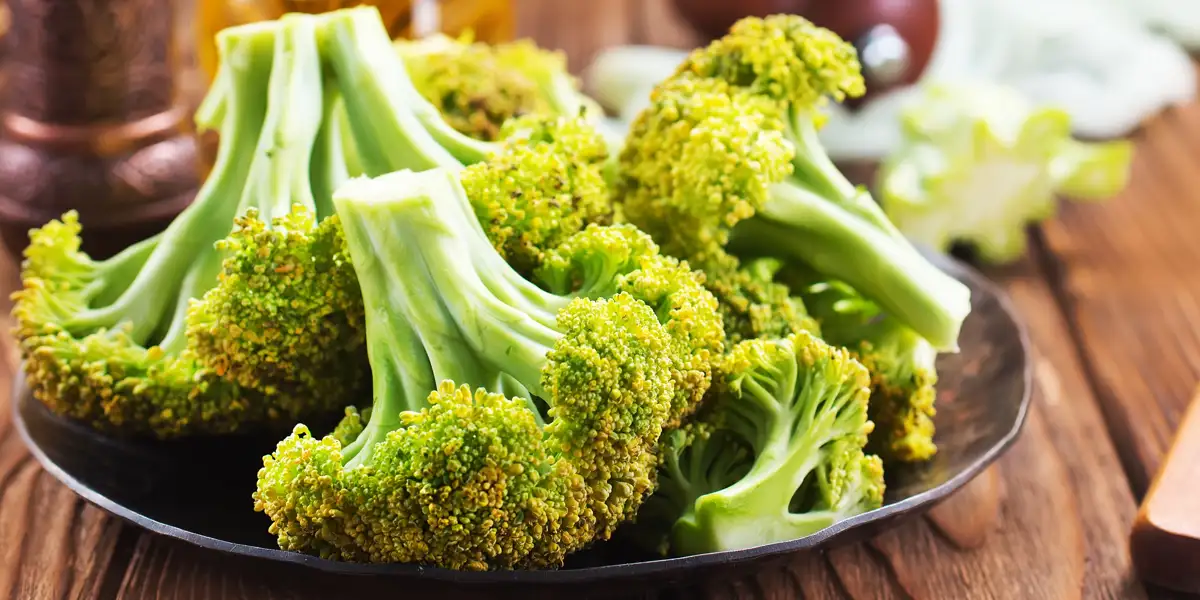
| Broccoli | 101 | Key for blood clotting |
| Prunes | 59 | Prevents arterial calcification |
| Kiwi | 40.3 | Supports heart health |
| Pork | 35 | Essential for protein synthesis |
| Egg | 32.1 | Supports bone metabolism |
| Grapes | 22 | Antioxidant support |
| Avocado | 21 | Promotes vascular health |
| Cucumber | 16.4 | Supports blood clotting |
| Artichokes | 14.8 | Supports liver protection |
| Chicken liver | 13 | Essential for blood clotting |
| Cheese | 2.5 | Important for bone health |
| Strawberries | 2.2 | Helps bone formation |
| Milk | 0.5 | Supports blood clotting |
What’s the recommended amount of vitamin K by age?
The recommended daily intake of vitamin K for your body isn’t particularly high. So, it’s generally possible to meet it through your diet. Below are the Recommended Dietary Allowances (RDA) for vitamin K as provided by the US National Institutes of Health (NIH), shown in micrograms (µg) per day:
- 0 to 6 months: 2.0 µg (estimated needs)
- 7 to 12 months: 2.5 µg (estimated needs)
- 1 to 3 years: 30 µg
- 4 to 8 years: 55 µg
- 9 to 13 years: 60 µg
- Boys aged 14 to 18: 75 µg
- Girls aged 14 to 18: 75 µg
- Men aged 19 and over: 120 µg
- Women aged 19 and over: 90 µg
- Pregnant or breastfeeding women under 18: 75 µg
- Pregnant or breastfeeding women aged 19 and over: 90 µg
What if I’m deficient in vitamin K?
Even so, there’s clear evidence that many people in Western populations are vitamin K deficient – in other words, they’re not getting enough through their diet. The solution? Take vitamin K food supplements to make up for that shortfall.
Remember, there are two main types of vitamin K: K1 (phylloquinone) and K2 (menaquinone).
If your diet doesn’t cover your needs, go for food supplements. You can shop the best vitamin K supplements at HSN’s online store.
Check out more content we’ve prepared for you on this topic:
Other vitamin-rich foods:
- Foods highest in vitamin A
- Foods highest in vitamin B12
- Foods highest in vitamin C
- Foods highest in vitamin D
- Foods highest in biotin