Fitness, Nutrition, Health and Sports Blog In the HSNstore Blog you will find tips about Fitness, sport in general, nutrition, and health – HSNstore.com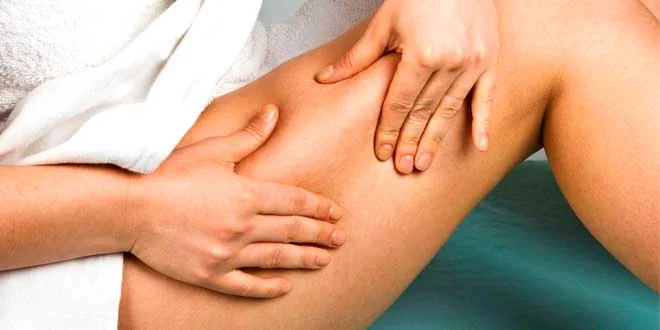

Cellulite is a term used to describe the dimpled appearance of the skin caused by fat deposits just beneath the skin’s surface.
What is cellulite?
Cellulite is a condition mostly seen in women, but it can also affect men. It occurs at the deep layer of the skin, resulting from an imbalance between fat accumulation (lipogenesis) and fat breakdown (lipolysis) of fat.
It usually shows up on the skin of the abdomen, lower limbs, and pelvic region. And it typically develops after puberty.
When microcirculation in a certain area doesn’t work properly, the fat reserves in the dermis become harder for the body to use and gradually build up, compressing the tiny blood vessels.
This compression causes circulation to worsen and plasma to leak through the capillary walls. The plasma starts overflowing and tends to infiltrate between cells, causing inflammation of the adipose tissue over time.
This creates a vicious cycle as the capillaries get compressed while draining fluids from the adipose tissues becomes increasingly difficult, leading to a real pathology.
In the early stage of cellulite, the area looks swollen, puffy, and heavy. In the intermediate stage, very fine fat nodules form, giving the skin a “orange peel” look (fibrous cellulite). In the third stage, a firm sclerosis of fat cells appears, accumulating into a painful mass when touched.

Causes of cellulite
The cause of cellulite can’t be pinned on just one factor, but several influence it:
- Genetic factors: Family history can indicate a likelihood of developing it.
- Enzymatic factors: Alterations in the fat enzymatic system.
- Endocrine factors: Given the importance of hormones in women’s lives, and the higher fat accumulation for reproductive function, progesterone and estrogens cause very significant hormonal changes. In men prone to fat accumulation (endomorphs), aromatase levels increase, an enzyme that converts testosterone into estrogens, the main female sex hormone. Extra estrogens reduce testosterone production. And the less testosterone you produce, the more body fat you’ll have, not to mention the rise in estrogen levels. It’s a vicious cycle that could lead to cellulite in men.
- Vascular factors: Circulatory system issues like arteriosclerosis predispose to cellulite, which is closely linked to microcirculation.
- Psychosomatic factors: Stress, nervousness, or excessive tension relate to the other factors mentioned.
- Dietary factors: More than the amount of food, the quality matters. A poor diet lacking healthy, natural, and balanced foods increases cellulite formation.

Normal Skin VS Skin with Cellulite
Why mostly in women?
Cellulite is affected by fat and the arrangement of collagen fibers. These two factors differ between men and women, and even in different parts of the same female body. Women tend to have a vertical distribution of collagen fibers, especially in the lower body. These fibers form a kind of pouch where fat cells grow. Men, on the other hand, have a cross or net-like arrangement, which masks the visual appearance more.


Why on hips and lower limbs?
Women have 9 times more α-adrenergic receptors than β-adrenergic receptors in the lower body. These receptors are responsible for:
- α receptors: General vasoconstriction, reduced smooth muscle motility, and activation of lipogenesis.
- β receptors: Directly related to the “fat-burning hormones,” catecholamines (adrenaline and noradrenaline).
In the upper body, this ratio (α-adrenergic : β-adrenergic) is lower, so when women lose weight, they usually lose it faster from the upper body than the lower body.
How to get rid of cellulite?
Now the question is how to get rid of cellulite, or at least reduce it. Of course, you can burn the fat part, but that’s only part of the story, because the collagen issue is much trickier. There’s a more or less direct link between muscle and the fascia lining (connective tissue sheath covering the muscle) and collagen in the skin.

Exercise, nutrition, and healthy lifestyle habits will be key to treating and reducing cellulite
Step I: Burn the fat
The first thing to do to get rid of cellulite is to burn the fat. For this, blocking α-adrenergic receptors in the lower body can be very helpful. A low-carb diet (≤100 g/day) and smart supplementation is one way to achieve this.
The reason for this diet is that carbohydrates stimulate insulin, which promotes α-adrenergic receptor activity and lipogenesis.
The supplements most aimed at helping this process are:
Step II: Remodel collagen fibers
This is the toughest part, and the best results come from combining fat-burning techniques with cellulite treatments that stimulate deep tissue, like heat, vibration, and light therapies. These treatments try to strengthen and reorganize collagen, but there’s not enough clinical evidence or scientific research proving they work. On the other hand, some improvement might come from taking collagen-containing products and reducing sagging.
Step III: Increase blood and fluid flow
Lymphatic and fluid drainage massages can reduce the appearance of dimples, but this effect is short-lived. The main ways to increase blood flow to an area are to move and warm that area. Exercise does both, and so does massage. Increasing blood flow means better fat mobilization and improved oxygenation of collagen fibers. Hot baths, sauna, contrast baths, etc., can be surprisingly effective, at least in the acute phase of cellulite.

Step IV: Build muscle
As mentioned earlier, the most important step is building muscle. Weight training is the only type of exercise that can strengthen muscle and toughen connective tissues.
A lower body training program focused on muscle growth is essential. For best results, hip muscles must be developed and activated (just lifting weights isn’t enough).

Exercise intensity is also very important to create micro-tears in fibers that overcompensate with protein synthesis afterward. Also, doing intervals of intense sprints will activate the hormonal system. Mainly the lower body muscles will help burn fat.
Exercises to fight cellulite
We’ve seen cellulite doesn’t appear overnight, so its removal isn’t miraculous either.
However, combined with cosmetic or dietary supplements, you should complement it with a balanced diet and regular exercise.
Here are some exercises you can use as a routine to get rid of or prevent cellulite.
Aerobic exercise
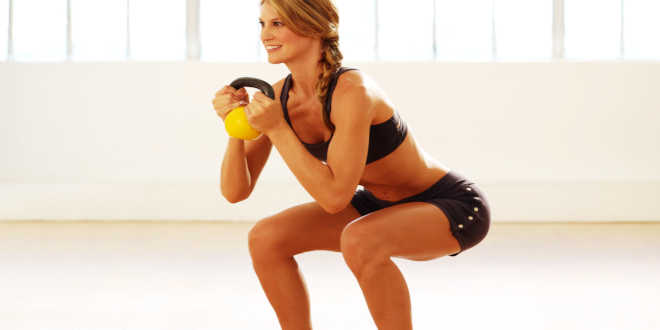
Tone your body with exercises
Among the different exercises are:
- Abductors and glutes, about three sets of 15-20 reps each
- Squats, taking special care to keep your back straight
- Leg lifts and raises from the floor
Ultrasound to fight cellulite
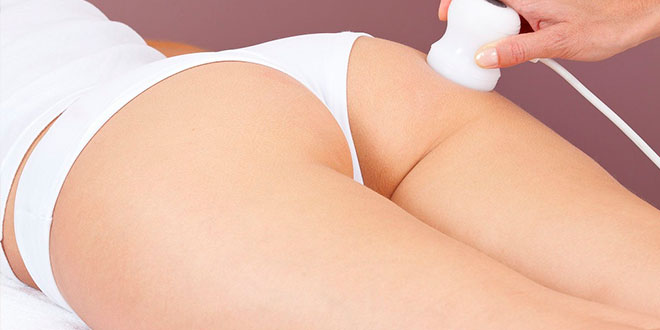
Ultrasound emits millions of tiny high-frequency sound waves sent through the skin. These waves create frictional heat that penetrates the deeper skin layers, boosting metabolism (activating collagen that rejuvenates skin and reducing fat deposits). These internal tissue vibrations produce thermal, vibratory, and osmotic effects that help destroy fat cells.
At the same time, it promotes movement of interstitial fluids—the fluids between cells—making it easier for the body to reabsorb and eliminate them, reducing fluid retention.
By breaking fat cells with sound waves, the liquefied fat is naturally collected into the bloodstream and eliminated along with other body wastes.
Ultrasound not only reduces cellulite but can also remove enough fat to reduce the area’s size and improve body contour.
Some people see noticeable results after just the first or second session. Most patients will need several treatments, up to ten or twelve, to get maximum results.
References
- Blum CL, Menzinger S, Genné D. (2013) Cellulitis: clinical manifestations and management. Rev Med Suisse.. 9(401):1812-5.
- Rasmussen SG et al. (2007). Crystal structure of the human β2-adrenergic G-protein-coupled receptor. Nature 450 (7168): pp. 383–7.
- Ursula Tropper, Cesar Sanchez, Diego Ferrari Tropper (2007) All About Cellulite: How to Prevent It, How to Cure It. Buenos Aires, Editorial Kier,
- Bartlett, JL; Sumner, B; Ellis, RG; Kram, R. (2013) Activity and functions of the human gluteal muscles in walking, running, sprinting, and climbing. American Journal of Physical Anthropology 11/2013.
Related posts:
- Training Routine for Girls
- How to Fight Women’s Difficult Body Areas?
- Flexible Diet for Women: “Lose Weight Smartly”