Fitness, Nutrition, Health and Sports Blog In the HSNstore Blog you will find tips about Fitness, sport in general, nutrition, and health – HSNstore.com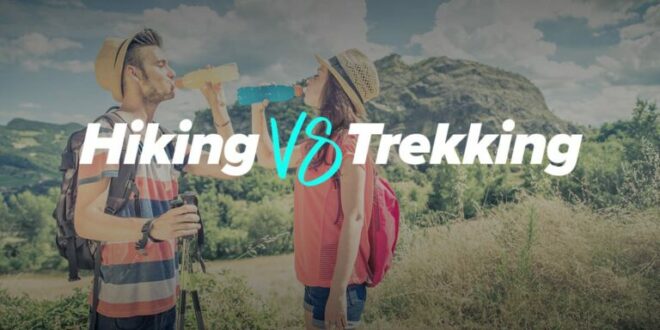

With the arrival of the good weather, more and more people are looking for outdoor activities to enjoy and connect with nature, break with the daily routine and also get a large dose of exercise.
Undoubtedly, both offer the possibility of discovering new places, incredible landscapes and even being a model of active holidays for the whole family.
You are probably familiar with the Anglo-Saxon terms “HIKING” and “TREKKING”. The vast majority understand that they are two synonymous concepts, but do you know that they are really two different activities?
| Hiking | Trekking | |
| Difficulty level | Low to moderate | Moderate to high |
| Duration | Usually short, a few hours | It can be several days or even weeks |
| Terrain | Mainly well-marked and maintained trails | May include hilly and less well-maintained terrain |
| Equipment | Basic equipment is needed: appropriate footwear, water, food, etc. | It requires more specialised equipment: rucksack, sleeping bag, etc. |
| Objective | Enjoying nature and physical exercise | Challenging physical limits and exploring remote places |
| Intensity | Less intensive, more relaxed pace | More intensive, faster paced and demanding |
| Experience | Suitable for beginners and less active people | It requires a certain level of experience and physical fitness. |
| Nutrition | It generally does not require special planning | It needs a planned diet to meet the highest physical and energy demands. |
Hiking
The idea is to follow routes along paths that have been prepared for this purpose, greenways.
Hiking consists of a long, energetic walk in a natural environment on hiking trails or paths for a day or overnight.
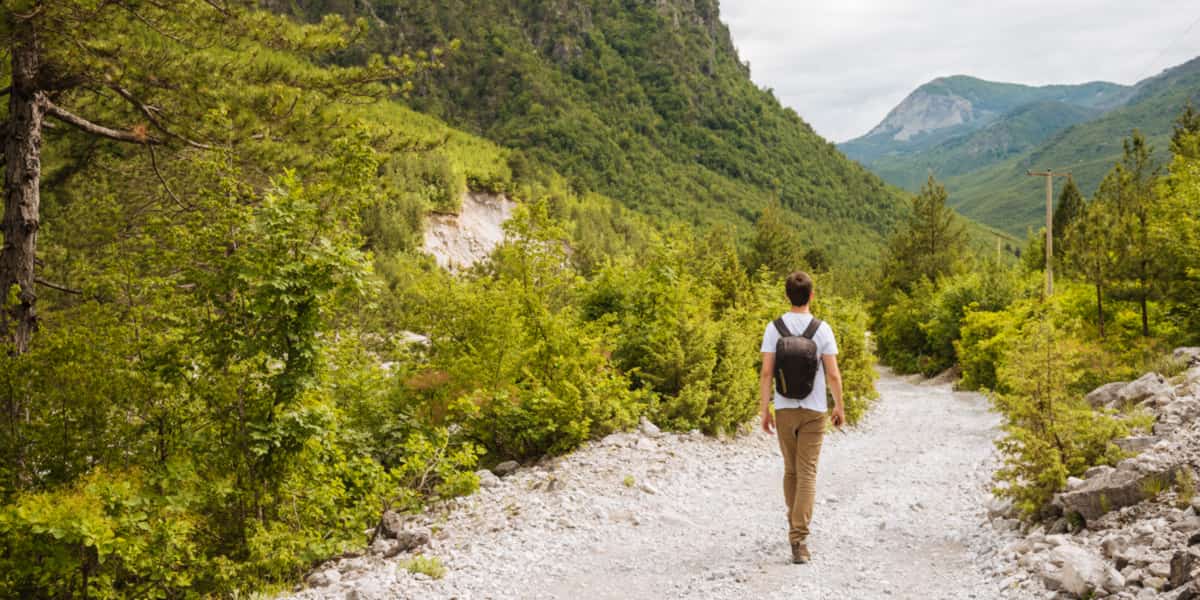
It is the perfect activity for those who want to get started in mountain activities or have the experience of enjoying a good route without previous experience.
The routes, paths, or trails, are previously established and marked to go from one point to another, which makes it simple and does not require excessive planning or more specific material.
If you want to get started in mountain races, it is also a perfect activity to discover the environment.
In cities with Mountain Clusters nearby, a weekend getaway is a great way to get away from the noise and get some physical activity in the fresh air.
In addition, all mountainous areas, those with winter resorts also have trails to walk in the summer and outside the snow (Aragonese Pyrenees, Catalan Pyrenees, Sierra Nevada, are some examples).
In Spain, there are countless hiking routes all over the country. Here are some of the most popular ones:
- El Cañón del Río Lobos route, in the province of Soria.
- Borosa River Route, in the Sierra de Cazorla Natural Park, in Jaén.
- El Monasterio de Piedra Route, in the province of Zaragoza.
- Route to San Juan de Gaztelugatxe, one of the most beautiful places in the north. An islet in Bermeo, Vizcaya.
- El Caminito del Rey in Málaga.
- Peñalara Circular Route, in the Sierra de Guadarrama National Park, in Madrid.
Trekking
Unlike hiking, the activity known as trekking involves a little more experience, planning and distance of the routes.
The majority of this activity does not take place on marked trails, roads, but rather a large part of the routes are through wilder and less accessible areas.

These distances are usually covered in different stages, so planning them is necessary to organise the trip.
In terms of materials and equipment, as it is an activity that takes place over several days, more specific material is required, both on a technical level as well as material for camping and food and drinks for the days.
You can find routes of less technical difficulty (Camino de Santiago on foot), and others that are more complicated, with a greater accumulated difference in altitude, different types of terrain, etc.
Tips for hiking and trekking routes
Both activities have a great positive impact on health, however, we must take into account different tips to get started in these activities:
- To know our current state of health and physical condition and to choose the most suitable route. Especially if you are a beginner in this activity, start with hiking routes of a low level of technical difficulty and a few kilometres.
- Wear the appropriate equipment, clothing and footwear for the activity and route you are going to do.
- Study the weather conditions in the area for the day planned for the activity and adapt our equipment to these conditions.
- Carry sufficient nutrition and hydration.
- Study the route well: check whether there are shelters, refreshment points or sources of water, type of terrain.
- Always carry your mobile phone charged so that you can call in case of emergency.
Supplements for mountain sports
We can recommend products to meet your route needs:
- For energy needs, for longer and more demanding routes, energy gels are a good option to provide sufficient energy during the course of the activity.

- For recovery, it is important to restore the mineral salts (electrolytes) lost during the ride, so you can add one serving of Evolytes to your protein shake.
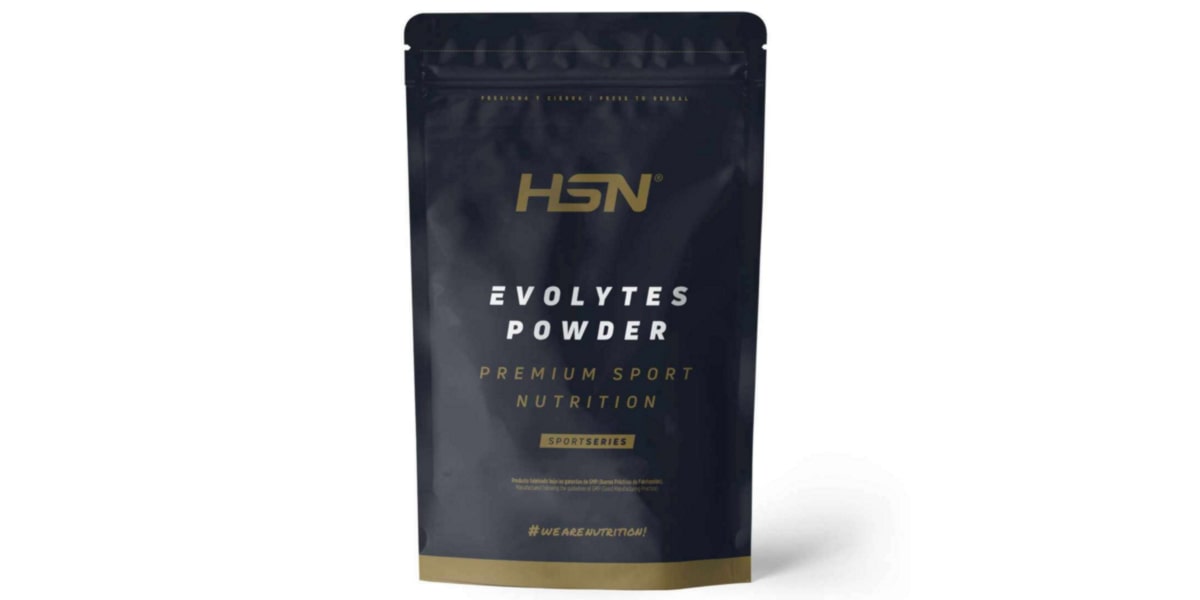
Evolytes Powder by SportSeries.
Related Entries
- Trail Running, everything you need to know in this Post.
- Do you know the benefits of training at altitude? We tell you about them here.