 Fitness, Nutrition, Health and Sports Blog In the HSNstore Blog you will find tips about Fitness, sport in general, nutrition, and health – HSNstore.com

In this article, we’re going to look at the food groups everyone needs to know, as well as general recommendations on their consumption
The Importance of Nutrition
Our daily life is full of stress:
- fast food,
- skipping meals, swallowing without chewing, eating our food standing up or on the way to work,
- eating late,
- always on the run,
- always trying to save time, at the expense of our health…
This is how important the food we eat is

What are the Food Groups?
- Fruits and vegetables: these foods are rich in water, vitamins, fibre and minerals, and essential for the functioning of our body. For example, vitamin K is essential for blood coagulation, vitamin D for the formation of calcium, and vitamin C to strengthen the immune system, among others.
- Cereals and tubers: including cereals, rice, barley, potato…
- Meats, fish and eggs: this third group is made up of foods that contain iron, fats and vitamin B12. These foods are essential to strengthen muscles and tissue. They include eggs, beef, chicken, rabbit, fish and turkey.
- Legumes: they can act as an occasional and very specific substitute for meat as they’re a source of plant protein. They include chickpeas, lentils, broad beans, soybeans…
List of foods contained within each group
To explore the topic in more detail, we’ve listed the foods that come under each group category
| Grain group: |
|
| Vegetables: | In this category we have:
|
| Fruit: |
|
| Protein: |
|
| Dairy: |
|
What do these foods give us?
Each group provides nutrition for our body and is essential for our overall health, as you’ll see below:
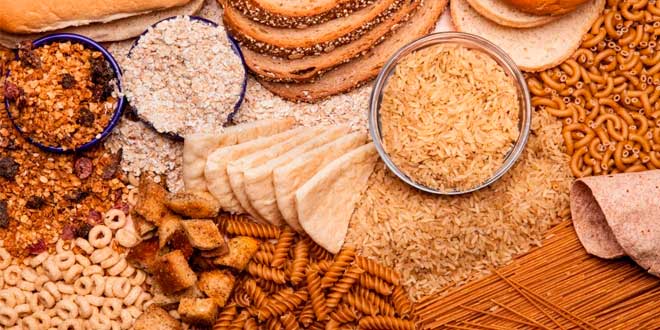
Cereals are considered by some specialists as a food base that provides a good source of carbohydrates. They’re a great way for our bodies to get starch and vitamin B, and they’re also generally low in fat.
Legumes, meanwhile, provide energy. These foods have a double function: they’re builders and energy providers.
Meats — for those who don’t know — are rich in vitamins, minerals and cholesterol, but if they’re cooked in oil, their cholesterol levels can increase, although this isn’t always bad. They fulfil a builder function.
Dairy products are the primary source for obtaining calcium, which is fundamental for bone strength.
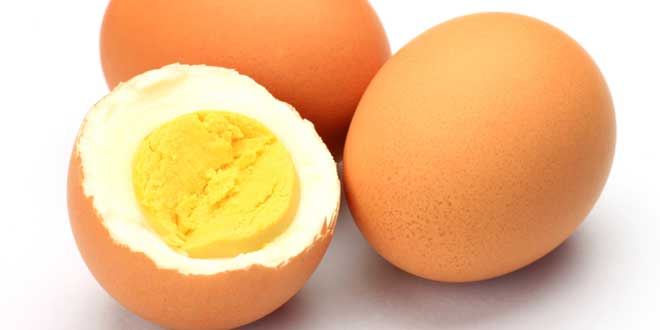
Eggs, to bring them up again, are a complete protein source and easy to digest. Some recommend only eating its whites because almost all the fat is found in the yolk. However, this hypothesis has been challenged in recent times and whole eggs are now generally accepted as good.
Food classification
Food groups, as the name implies, contain foods that are divided into three primary areas, namely:
- Builders: these contain and provide the body with substances that allow us to develop our physical structure (musculoskeletal). Such as calcium for the bones, or cereals and tubers for the muscles.
- High-energy foods: which, as their name suggests, give us energy boosts for our day-to-day activities. A perfect example is fruit that provides us with potassium and fructose.
- Regulatory foods: these are essential in our lives due to their ability to provide us with vitamins, minerals and fibre. Examples include citrus fruits and meat products, among others.
How to combine the groups
A healthy diet is one that contains all food groups in a balanced way
Nutritionists come up with an endless number of possible healthy diets, but they all have the following foods as the fundamental base:
- Fish and shellfish, 3-4 servings per week
- Lean meats, 2-3 servings per week
- Eggs, much more often than was previously believed.
- Legumes, rice, pasta… usually daily.
- Nuts or fatty acids, daily.
- Milk, yoghurt and cheese, in moderation, as we tend to overdo it.
- Olive oil, daily.
- Vegetables and greens, approximately 2 servings a day.
- Fruit, generally 3 a day.
- Water 2-3 litres a day is recommended, but this also depends on whether the person does sports, their type of work, etc.
- Fruit, vegetables, greens and legumes are best eaten when fresh and in season.
- Substitute sugar with natural sweeteners, avoid sugary drinks, and
- Wash your food well.
Bibliographic Sources
- http://www.fao.org/fileadmin/user_upload/nutrition/docs/education/resources/by_country/Libro_docente_2.pdf
- “La antropología de la alimentación en España: Perspectivas actuales” Luis Cantarero Abad, 2012.
- “Tratado de nutrición: composición y calidad nutritiva de los alimentos” Ángel Gil Hernández, 2017.
- “Tabla de alimentos para adelgazar” M.C. Airainer & W. Aign, 2015.
Related Entries
- Diets: Are They All Healthy?
- Cardiovascular health – How to take care of our heart: good habits and food
- Iron-rich foods
- The best foods to replenish electrolytes in the body