Fitness, Nutrition, Health and Sports Blog In the HSNstore Blog you will find tips about Fitness, sport in general, nutrition, and health – HSNstore.com

More and more people are choosing to follow a strictly vegetarian diet. Whether embracing veganism, eliminating all animal-derived products, or opting for an ovo-lacto vegetarian approach, this decision is not only a commitment to animal welfare but also a step towards better health.
However, one of the biggest challenges of this lifestyle is ensuring sufficient protein intake. At HSN, we’ll show you how to achieve this balance and what foods can help you meet your protein needs without relying on animal products.
Why Are Proteins Important in a Vegan or Vegetarian Diet?
Proteins are essential molecules composed of amino acids that play a key role in multiple bodily functions, from tissue repair to immune function.
When following a vegan or vegetarian diet, it’s crucial to focus on protein intake, especially since plant-based foods often lack some essential amino acids, known as “limiting amino acids.”
- With the right combination of plant-based sources, it’s possible to ensure a high-quality protein intake.
4 Sources of Plant-Based Protein
For those who choose to eliminate animal products from their diet, there are many protein-rich plant-based options to meet the body’s needs:
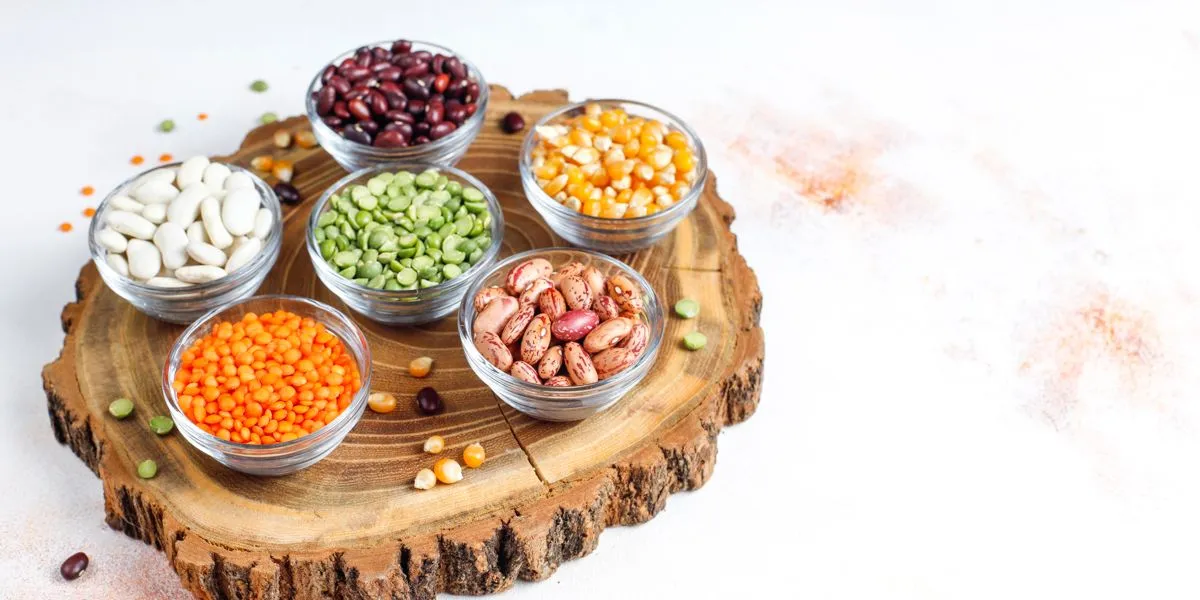
1. Legumes: A Staple of Vegetarian Nutrition
Legumes such as soya, lentils, and chickpeas are high in protein. Soya, for example, contains around 29% protein, making it a fundamental option. These foods also provide fibre and minerals, supporting digestive health and overall well-being.
2. Cereals: Energy and Protein in One Bite
Quinoa, amaranth, and buckwheat are excellent protein sources, containing up to 9% protein. Unlike other cereals, they provide all essential amino acids, making them highly valuable for a balanced diet. Additionally, they offer slow-release energy, ideal for those engaging in physical activities.
3. Nuts and Seeds: A Nutritious and Satisfying Addition
Almonds, walnuts, chia seeds, and pumpkin seeds not only provide protein but also healthy fats, which are essential for brain function and cardiovascular health. It’s advisable to consume them in moderation, especially in calorie-controlled diets.
4. Vegetables: A Nutrient-Rich Complement
Although vegetables generally have lower protein content, some, such as spinach and broccoli, contain up to 5% protein. Including them in daily meals helps complement other protein sources while providing essential vitamins and minerals.
Food Combinations to Enhance Protein Quality
The key to maximising the quality of plant-based proteins is to properly combine different food groups. Effective combinations include:
- Legumes + cereals: Such as rice with lentils or quinoa and chickpea salad.
- Nuts + vegetables: Adding almonds or chia seeds to leafy green salads.
- Legumes + seeds: Preparing hummus with tahini, which combines chickpeas and sesame paste.
- These combinations help complete the amino acid profile needed for proper nutrition.
Are Supplements Necessary for Athletes?
Although a vegan diet can provide sufficient protein, certain individuals, such as athletes or those with high physical activity levels, may benefit from supplementation.
Soya and pea protein are popular and effective options that provide essential amino acids without using animal-derived ingredients. These supplements, combined with a varied diet, ensure that nutritional needs are met with ease.
At HSN, you can purchase 100% vegan and plant-based proteins from a wide range of exclusive protein supplements.
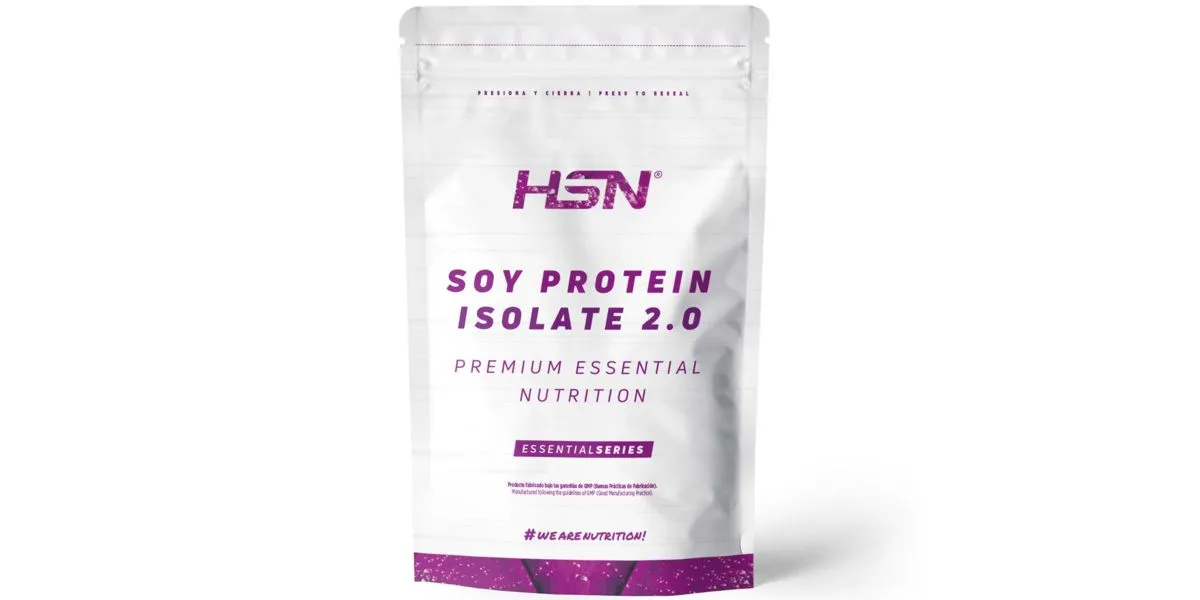
Soya Protein Isolate 2.0 by EssentialSeries
High-Protein Vegan Meal Ideas
Incorporating these foods into your daily routine can be easy and delicious. Here are some ideas for a week:
- Monday
- Tuesday
- Wednesday
- Thursday
- Friday
- Saturday
- Sunday
- Breakfast: Cooked oats with soy milk, blueberries, a tablespoon of chia seeds, and almonds.
- Lunch: Quinoa salad with spinach, chickpeas, peppers, and a lemon vinaigrette.
- Dinner: Lentil burgers with a side of roasted broccoli and baked sweet potato.
- Snack: Hummus with carrot and cucumber sticks.
- Breakfast: Spinach, banana, plant-based protein powder, and almond milk smoothie.
- Lunch: Stir-fried tofu with brown rice, asparagus, and carrots.
- Dinner: Red lentil soup with spinach and wholemeal bread slices.
- Snack: Coconut yoghurt with a tablespoon of flaxseeds and raspberries.
- Breakfast: Chia pudding with oat milk, diced mango, and walnuts.
- Lunch: Whole wheat tortilla wrap filled with tempeh, avocado, tomato, and lettuce.
- Dinner: Chickpea and spinach curry with basmati rice.
- Snack: Apple with almond butter.
- Breakfast: Wholemeal toast with peanut butter and banana slices.
- Lunch: Spinach salad with beetroot, smoked tofu, and pumpkin seeds.
- Dinner: Stir-fried vegetables with rice noodles and soy sauce, served with cubed tofu.
- Snack: A handful of nuts (almonds and walnuts).
- Breakfast: Smoothie bowl with pea protein, strawberries, spinach, and chia seeds.
- Lunch: Brown rice bowl with black beans, corn, avocado, and tomato salsa.
- Dinner: Stuffed aubergines with quinoa, tomato, and spinach, baked with nutritional yeast.
- Snack: Rice cake with hummus and tomato slices.
- Breakfast: Coconut yoghurt with oats, strawberries, and a tablespoon of flaxseeds.
- Lunch: Whole wheat pasta with tomato sauce, mushrooms, and spinach, served with cubed tofu.
- Dinner: Lentil stew with carrots, potatoes, and spinach.
- Snack: A handful of edamame with sea salt.
- Breakfast: Oat porridge with soy milk, cinnamon, apple chunks, and walnuts.
- Lunch: Homemade falafel with cucumber, tomato, lettuce salad, and tahini sauce.
- Dinner: Chickpea salad with spinach, avocado, and cucumber, dressed with lemon vinaigrette.
- Snack: Banana smoothie with plant-based protein and peanut butter.
These varied and nutritious menus help maintain the necessary protein balance.
Conclusions
Following a vegan or vegetarian diet does not have to mean protein deficiency. With good planning and proper food combinations, it is possible to obtain all essential amino acids and enjoy a balanced diet.
When used effectively, plant-based proteins provide a complete and healthy alternative, perfect for those seeking a lifestyle based on personal well-being and sustainability.
Related Posts
- Veganism in Sports
- Differences Between Vegetable and Animal Protein
- How to Build Muscle on a Vegan Diet