Fitness, Nutrition, Health and Sports Blog In the HSNstore Blog you will find tips about Fitness, sport in general, nutrition, and health – HSNstore.com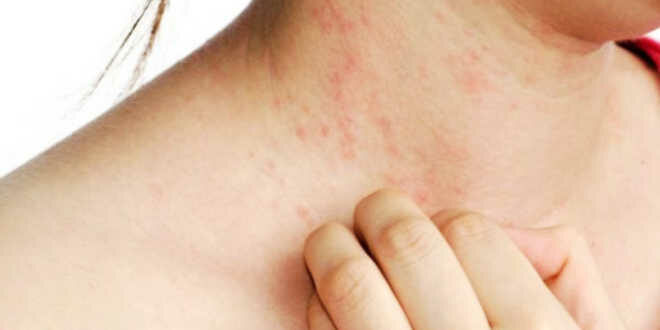

Dermatitis is an inflammation of the skin that can occur for a multitude of reasons and in various forms. In this article, we will try to clarify the main causes, types and how to treat it naturally.
Main symptoms of dermatitis
This skin problem has a series of symptoms that must be treated to avoid further consequences in the area:
- Itchiness, which can be severe in many cases
- Dry, cracked and flaky skin
- Burning and even mild pain
- Lumps that may sometimes ooze
Types of dermatitis
There is an extensive list of types of dermatitis, although all are defined according to the defining factor.
The most common types are:
Atopic
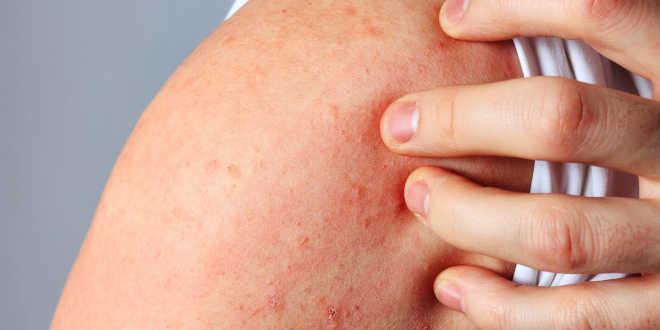
It is a very common disease and is recognised as hereditary. It is a chronic problem and is considered by specialists to be a type of allergy or special skin sensitivity.
Eczema, dryness of the skin or increased skin thickness are the main symptoms of eczema on the body from a young age. The areas affected may be different.
By contact
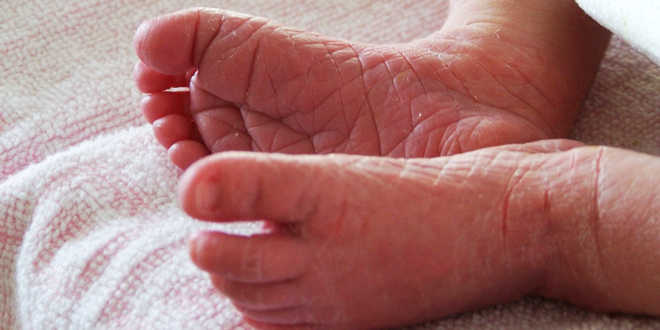
A lesion that occurs in a specific area of the skin due to contact with an element that causes a specific allergic reaction. Metals, plants or cosmetics may be the main causes. In the event of any major cause, see a doctor or specialist immediately.
The symptoms, described above, can be aggravated in these situations, so increased prevention is required.
Seborrhoeic
Disorder that is mainly located on the head, due to flaking of the scalp. However, it can also affect other areas such as the face, back or upper chest.

Neurodermatitis
It is not different from atopic dermatitis, but is nevertheless characterised by a high rate of itching in a particular area.
It appears as dryness, redness and scaling, but when touched or scratched it tends to increase and spread to other areas of the body, making the problem worse.
Other types of dermatitis
There are much more specific ones that could be related to contact dermatitis (perhaps the most widespread), related to allergic reactions of different types.
How to treat dermatitis?
To improve the condition of dermatitis, it is necessary to strictly follow medical treatment and change certain lifestyle patterns.
If the outbreak is severe, a specialist may have to prescribe corticosteroids, antibiotics, antihistamines and immunosuppressants.
In addition, you should avoid all foods that may cause allergies or contain high levels of fat.
Moisturising creams are essential in this respect, as one of the symptoms associated with this problem is dry skin. Similarly, a cleansing shower gel that also has a soothing effect is an excellent choice for the shower.
Other natural remedies
We can also make use of traditional natural remedies to relieve dermatitis.
Among the most common products are:
- Thyme, by rubbing it on the affected area after boiling it in water.
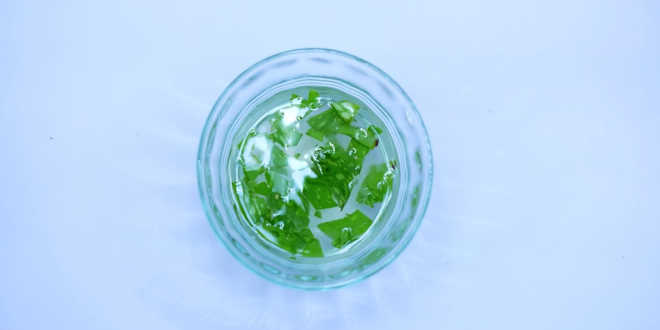
- Aloe vera, its properties are beneficial for the skin, treating any condition suffered by the dermis.
Recommendations for dermatitis
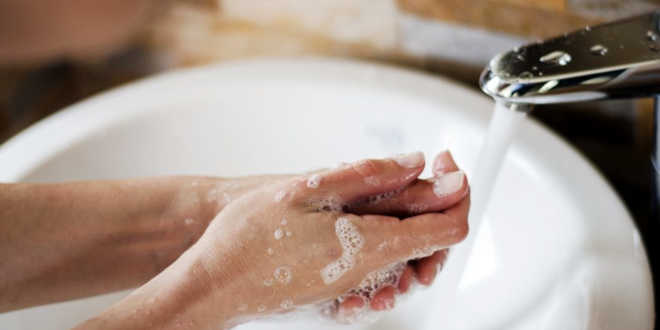
- Dry yourself well and gently after showering.
- Use neutral soaps.
- Use essential oils and moisturising creams to keep the skin hydrated at all times.
- Avoid foods rich in histamine (nuts or shellfish).
- Do not stay in hot, dry environments, as this can cause outbreaks.
Related links: