Fitness, Nutrition, Health and Sports Blog In the HSNstore Blog you will find tips about Fitness, sport in general, nutrition, and health – HSNstore.com

Vital energy is essential for living fully and achieving our daily goals. However, the stress and demands of the Western lifestyle can lower our energy levels, causing asthenia.
This condition affects millions of people and can have physiological, psychological, and social causes. To regain energy, it’s essential to review our daily habits and find a balance between work, rest, and self-care. Here are some practical tips to increase your energy levels.
- Cut out simple sugars.
- Don’t rely on caffeine.
- Boost your metabolic flexibility (exercise regularly).
- Remember your mission.
- Ensure you’re getting enough micronutrients.
- Take care of your circadian rhythms.
- Digestion consumes energy.
- Use food supplements.
1. Cut Out Simple Sugars
The average American consumes around 22 teaspoons of sugar daily, and Spanish-speaking countries are not far behind. This massive sugar intake negatively impacts our energy levels.
Blood glucose is a constant that isn’t so constant in today’s world.
Excessive consumption of simple sugars (often hidden in processed foods) leads to fluctuating blood sugar levels, following a cycle of sugar-hyperglycaemia-insulin secretion-normoglycaemia.
This rollercoaster causes energy levels to fluctuate significantly.
One of the benefits of low-carb diets is the stabilisation of these energy levels, as we explained in this post.
2. Don’t Rely on Caffeine
Habitual consumption of stimulants often leads to dependence. Most people no longer take caffeine to enjoy its stimulating effects; instead, they rely on it to maintain their normal functioning.
Do you see the difference?
- When you depend on caffeine, you underperform without it.
- This puts you in a state of dependency.
Remember, stimulants are just socially (and legally) accepted drugs.
3. Boost Your Metabolic Flexibility (Exercise Regularly)
Metabolic problems often arise when our ability to utilise energy substrates is compromised. In a context of overweight, obesity, and insulin resistance (affecting hundreds of thousands), metabolic flexibility is often poor.
This means we primarily burn glucose for energy, rarely tapping into fat stores.
The antidote? Regular physical exercise, which improves mitochondrial function and increases your metabolism’s ability to utilise fat and carbohydrates as needed.
I’ve previously explained why people avoid exercise. Check it out here.

4. Remember Your Mission
We haven’t touched on psychological factors yet, but they are crucial for combating fatigue.
It may sound like a cliché, but having a reason to get out of bed is one of the most powerful factors in feeling energised. Humans need a goal, a purpose, an ikigai.
Once this purpose is clearly defined, life starts working its magic.
- For an elite athlete, it might be winning every competition they enter.
- For a parent, it could be ensuring their children have everything they need.
What is your ikigai, and what drives you in life? Answering that question can have a profound impact on your daily life.
5. Ensure You’re Getting Enough Micronutrients
Many people around us likely have some form of micronutrient deficiency, even if they are overweight or obese.
This is hardly surprising given the prevalence of ultra-processed foods, the declining nutritional density of foods, and other factors such as chronic stress.
The solution, although it might not be what you want to hear, is to increase your intake of nutrient-dense foods.

6. Take Care of Your Circadian Rhythms
Technology is here to stay, but it has also brought new challenges. Issues like multitasking and overstimulation drain vital energy.
Dopamine fasting, as discussed in this post, is a novel strategy for combating the technological frenzy and constant smartphone notifications.
Beyond this, we also face the effects of circadian disruption, which directly affects our energy levels.
A simple habit could make you feel more energised throughout the day:
- Expose yourself to blue light (sunlight) for 20–25 minutes right after waking up.
- Do this for 5 days, ideally combined with light-to-moderate exercise.
7. Digestion Consumes Energy
Digesting, absorbing, and storing food requires energy, which has led many people to adopt intermittent fasting protocols like OMAD (One Meal a Day) to enhance productivity.
While it’s not suitable for everyone, the principle is clear: consuming a large number of calories in one sitting can impact performance. The Warrior Diet, another form of intermittent fasting, suggests eating small amounts of low-calorie foods during the day to maintain productivity.
Later in the day, you have a large meal when work is done.
As a nutritional strategy, it has its drawbacks, but as a way to optimise energy levels during the day, it’s highly effective.
8. Use Food Supplements
In this section, let’s highlight supplements known as ‘adaptogens’. They are so named because of their properties, which help improve energy levels by fostering resilience to stress and other adverse conditions.
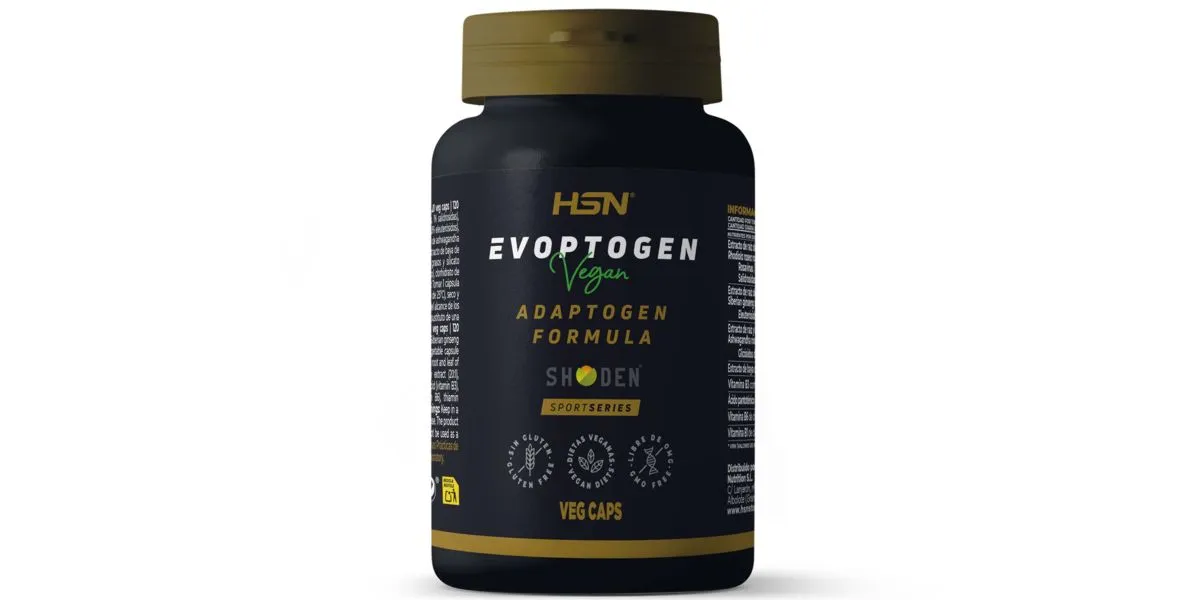
Among these, Evoptogen stands out. This supplement from HSN’s SportSeries combines adaptogens like Rhodiola, Ginseng, Ashwagandha, and Schisandra with B vitamins, designed to support the body in adapting to stress while enhancing energy and physical and mental stamina.
Is Boosting Energy Quickly a Good Idea?
Rapidly increasing energy levels is rarely the solution. What has progressively deteriorated cannot often be restored “overnight.” The problem with stimulants, often used to achieve “functional” energy levels, is that they mask a larger issue.
Stimulants are not inherently bad. In fact, we’ve discussed their benefits, like caffeine, in this blog.
The issue is that they often hide the root causes of chronic fatigue, which are usually lifestyle-related. Proper use of stimulants requires an awareness of their effects and careful timing.
Conclusions
The two key points of today’s post are:
- If you feel perpetually tired, first rule out any health issues requiring medical attention.
- Once that’s done, < strong>chronic fatigue is often linked to lifestyle problems that neither your nutritionist nor personal trainer can solve.
Related Posts
- Do You Know Which Habits Age You?
- Discover Adaptogenic Plants with Anti-Stress Properties