 Fitness, Nutrition, Health and Sports Blog In the HSNstore Blog you will find tips about Fitness, sport in general, nutrition, and health – HSNstore.com


Today we’re going to understand how to lower triglyceride levels without drugs or medications, and what non-pharmacological alternatives exist to reduce TG.
This doesn’t mean drugs can’t or shouldn’t be used—they can when needed—but it’s important to know what non-pharmacological alternatives are out there.
Elevated Triglycerides as a Cardiovascular Disease Risk Factor
Aging healthily can be tough in the society we live in. Risk factors for disease build up year after year, drink after drink, cigarette after cigarette, ultra-processed food after ultra-processed food… inside our bodies.
This leads to a heavy burden for hundreds of thousands of people, who will see their risk of developing a civilization disease skyrocket during their lifetime.
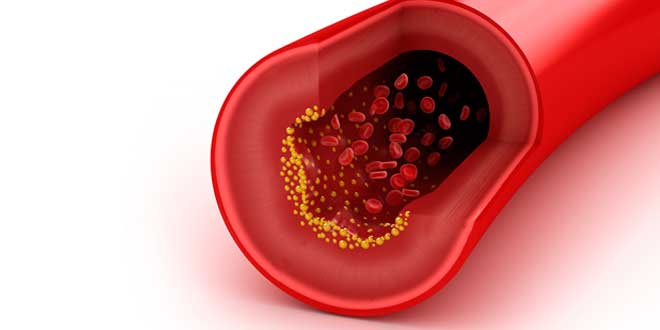
We’re increasingly convinced that hypertriglyceridemia, meaning having triglycerides above the normal blood range (>150 mg/dL), is a cardiovascular risk factor completely independent of cholesterol.
What Is Atherogenic Dyslipidemia and How Does It Affect Us?
The so-called atherogenic dyslipidemia, meaning the lipid imbalance in blood that increases your risk of stroke, ischemic heart disease, or other cardiovascular diseases, often includes a pattern of:
- Low HDL-C,
- High LDL-C, and
- Elevated triglycerides.
What Do Studies Say About Elevated Triglyceride Levels?
This meta-analysis of 29 prospective studies with over 250,000 people concludes there’s an INDEPENDENT association between high blood TG and cardiovascular disease1.
Another meta-analysis of over 1 million subjects compared reference values of 90-150 mg/dL and found TG >150 mg/dL linked to a 15-25% increase in cardiovascular mortality2.
Until now, we’ve ONLY paid special attention to so-called bad cholesterol or LDL cholesterol as a cardiovascular risk factor.
Lifestyle Changes to Lower Triglycerides
Lose Fat
Fat loss remains the factor that helps the most to lower triglycerides. If your TG are high, losing 5-10% of your body weight can reduce TG by up to 20%.
Mediterranean Diet
Following certain dietary patterns also helps.
Specifically, a proper Mediterranean diet leads to a 10-15% drop in TG. This diet is high in MUFA (monounsaturated fats), PUFA (polyunsaturated fats), and fiber thanks to whole grains, fruits, veggies, nuts, and olive oil, all of which have lipid-lowering effects.

That said, living in the Mediterranean won’t guarantee you actually follow a Mediterranean diet…
Physical Exercise
Of course, we can’t forget exercise, which boosts muscle use of TG and their breakdown by upregulating lipoprotein lipase.
The TG-lowering effect of exercise depends on several factors:
- Exercise intensity,
- Duration,
- Calorie expenditure,
- Baseline levels.
But generally, we can say exercise can reduce baseline TG levels by 15 to 30%
How to Lower Triglycerides Without Medications?
Next, I’ll show you some nutrients that, combined with the lifestyle changes mentioned, can drastically improve health and quality of life.

Omega 3
The omega-3 polyunsaturated fatty acids, specifically EPA and DHA, can reduce TG by decreasing hepatic VLDL output, particles that carry TG.
They also induce expression of the PPAR nuclear factor family, responsible for lipid and energy homeostasis
From what source? It’s always best to prioritize omega-3 from fish. About 4 g daily of fish-derived omega-3 achieves 20-30% TG reductions3.
Cinnamon
Cinnamon increases expression of PPAR Alpha and gamma, which are the targets of two well-known drugs: fibrates (used to lower triglycerides) and thiazolidinediones (used as antidiabetics, though less so nowadays).
In this study, one teaspoon daily of Cinnamomum cassia for 18 weeks was linked to a 30 mg/dL drop, plus reductions in plasma glucose, total cholesterol, LDL-C, and a slight increase in HDL-C.
The effect is considerably smaller when TG levels approach normal, meaning higher levels, bigger effect
Cocoa
Clinical trials have shown cocoa can reduce TG by about 5%.
In a meta-analysis of 131 people, flavonoids in cocoa significantly improved lipid profiles
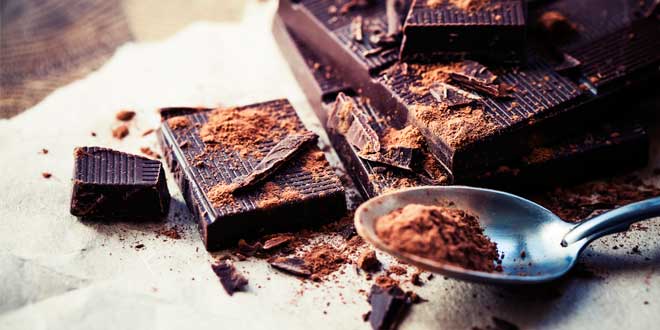
Heads up, don’t confuse terms. We’re talking about real cocoa, the bitter, pure kind
Nuts
Some nuts, in the context of isocaloric energy intake, achieve interesting drops in TG and other lipids. Hazelnuts and pistachios are especially notable.
In this study with 15 middle-aged men with high cholesterol, reductions in VLDL, TG, and ApoB (all cardiovascular risk factors) were 30, 32, and 9%, respectively.
Other nuts like walnuts or peanuts also produce modest reductions. I always recommend them to my underweight patients.
Spice Blend
Some studies have checked the effect a spice blend has on post-meal triglyceride spikes compared to a meal without spices.
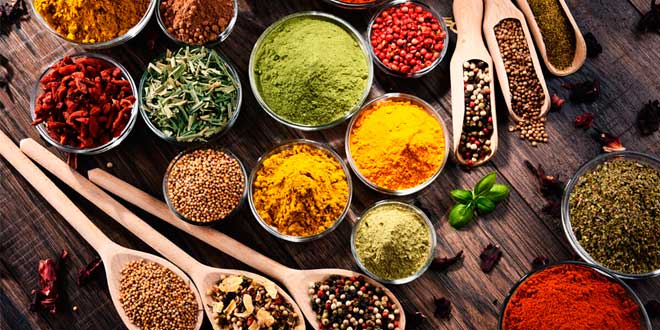
This study used a 14 g blend of these spices (cinnamon, clove, garlic powder, oregano, turmeric, rosemary, paprika, and ginger)
Soy
The way soy achieves its lipid-lowering effect is twofold:
- First, isoflavones, natural phytochemicals in soy, bind estrogen receptors, helping the isoflavone-estrogen complex move to the nucleus, where it regulates expression of proteins and nuclear receptors like PPAR, responsible for lipid homeostasis.
- Second, some soy lipids like lecithin or specific phospholipids have a lipid-lowering effect by solubilizing cholesterol and promoting its excretion instead of absorption.
Turmeric
Turmeric, especially some components like curcumin, has shown benefits in various metabolic conditions due to insulin-sensitizing, anti-inflammatory, and lipid-lowering effects.
In this study, 33 patients with metabolic syndrome took 1890 mg of curcumin extract daily for 12 weeks, achieving a 29% reduction in TG, 10% in total cholesterol, 12% in LDL, and a 6% increase in HDL.
Conclusions
It’s time to seriously study the effects different foods and their bioactive components have on our health.
The science of nutrition is complex, and it’s extremely hard to isolate the effect of one nutrient or component without the thousands of other variables in each person influencing health positively or negatively.
Still, there’s plenty of evidence that the foods mentioned here are beneficial and will help prevent or ease the chronic disease epidemic we face.
And I repeat, drugs have their clear and established role and shouldn’t be stopped or ignored
What we must know is that there are everyday foods that can help us reach our health goals (in this case, lowering triglycerides) and many others that push us toward disease (mostly ultra-processed products).
References
- Sarwar N, Danesh J, Eiriksdottir G, Sigurdsson G, Wareham N, Bingham S, et al. Triglycerides and the risk of coronary heart disease: 10,158 incident cases among 262,525 participants in 29 Western prospective studies. Circulation. 2007
- Liu J, Zeng F-F, Liu Z-M, Zhang C-X, Ling W, Chen Y-M. Effects of blood triglycerides on cardiovascular and all-cause mortality: a systematic review and meta-analysis of 61 prospective studies. Lipids Health Dis. 2013
- Mozaffarian D, Wu JHY. Omega-3 fatty acids and cardiovascular disease: Effects on risk factors, molecular pathways, and clinical events. J Am Coll Cardiol. 2011
- Balk EM, Lichtenstein AH, Chung M, Kupelnick B, Chew P, Lau J. Effects of omega-3 fatty acids on serum markers of cardiovascular disease risk: A systematic review. Atherosclerosis. 2006.
- Tapsell LC, Hemphill I, Cobiac L, Patch CS, Sullivan DR, Fenech M, et al. Health benefits of herbs and spices: the past, the present, the future. The Medical journal of Australia. 2006.
- Skulas-Ray AC, Kris-Etherton PM, Teeter DL, Chen C-YO, Vanden Heuvel JP, West SG. A High Antioxidant Spice Blend Attenuates Postprandial Insulin and Triglyceride Responses and Increases Some Plasma Measures of Antioxidant Activity in Healthy, Overweight Men. J Nutr. 2011;
- Yang Y-S, Su Y-F, Yang H-W, Lee Y-H, Chou JI, Ueng K-C. Lipid-Lowering Effects of Curcumin in Patients with Metabolic Syndrome: A Randomized, Double-Blind, Placebo-Controlled Trial. Phyther Res. 2014
Related Posts
- Cassia or Ceylon Cinnamon, Which One’s Recommended?
- Turmeric: Properties and Benefits, How to Take, Natural Remedies…
- Omega 3 Fatty Acids – Everything You Need to Know!
- Cocoa Epicatechin: Benefits for Cardiovascular Health and Sports Performance