 Fitness, Nutrition, Health and Sports Blog In the HSNstore Blog you will find tips about Fitness, sport in general, nutrition, and health – HSNstore.com

The ultimate elbow flexion exercise, the biceps curl remains a staple in countless training routines mainly focused on muscle hypertrophy
The ongoing legacy from the 60s and 70s of split routines thanks to pioneers like Vince Gironda seems to have established that a “small” muscle group is better targeted with single-joint exercises, like the biceps curl for the elbow flexors (biceps brachii with its two heads, coracobrachialis, brachialis, and brachioradialis).
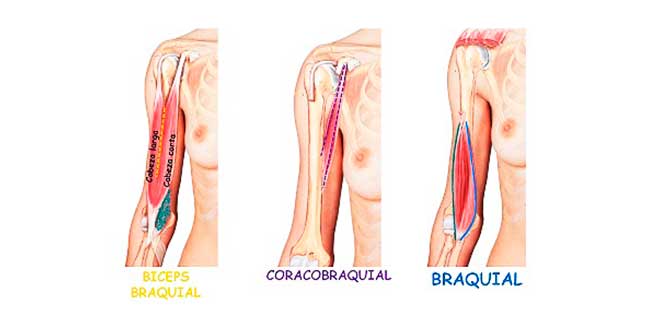
As explained in David Marchante’s book (Powerexplosive), it’s important to know that isolating the biceps isn’t as efficient as isolating other muscle groups because it acts as a synergist in back work and pulling exercises, so it’s already stimulated enough not to need extra work.
In fact, according to the latest research, there might even be a clear difference between experienced lifters and beginners, with the former getting the most (although small) hypertrophy benefits from including this exercise in their routines.
Biceps curl: comparison
So, you can make several comparisons between exercises involving the elbow flexors to clearly see there’s no urgent need to include the biceps curl as the main isolation exercise for this muscle group.
Contreras (2010) found that weighted pull-ups could activate them more; but beyond the electromyographic activation data, we need to see if that really translates into a bigger cross-sectional area.
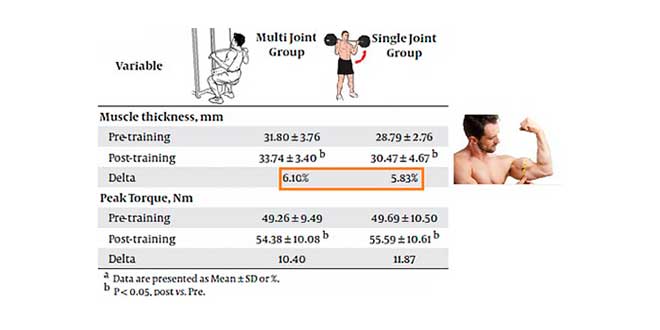
In beginners aiming for hypertrophy, analyzing their progress over the first 10 weeks of training, it could be concluded that adding an isolation exercise like the biceps curl would take time away from more interesting exercises involving the shoulder girdle joints (e.g., lat pulldown, assisted pull-ups), which should be a primary focus for people just starting out, and which produce similar (or even better) hypertrophy results in the elbow flexors.
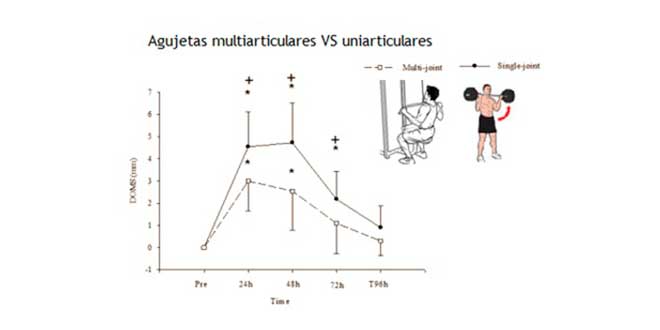
Multi-joint exercises have the added advantage of inducing less short-term strength loss due to lower muscle soreness even when the workload during multi-joint exercises is higher than in single-joint ones.
Conclusion
At least for beginners, using the biceps curl doesn’t seem justified as the go-to exercise for increasing elbow flexor size. At coordination level and exercise transfer (LEARN to train), there are better options like multi-joint pulling exercises.
If you still decide to use it despite these conclusions, at least make sure to do it right:
Sources
- Contreras, B. (2010). Inside the Muscles: Best Back and Biceps Exercises. Retrieved from http://www.tnation.com/free_online_article/sports_body_training_performance/inside_the_muscles_best_back_ and_biceps_exercises
- Gentil, P., Soares, S., & Bottaro, M. (2014). Single vs. Multi-joint resistance exercise: effects on muscle strength and hypertrophy. Asian Journal of Sports Medicine, 6(2).
- Marchante, D. (2015). Powerexplosive: efficient training. push your limits. Luhu Editorial. Alcor. Spain.
- Soares, S., Ferreira-Junior, J. B., Pereira, M. C., Cleto, V. A., Castanheira, R. P., Cadore, E., … & Bottaro, M. (2015). Dissociated time course of muscle damage recovery between single and multi-joint exercises in highly resistance trained men. Journal of strength and conditioning research.
Related Posts