Fitness, Nutrition, Health and Sports Blog In the HSNstore Blog you will find tips about Fitness, sport in general, nutrition, and health – HSNstore.com

The term “empty calories” is widely used in nutrition. But, what exactly are empty calories? This concept refers to the calories in foods that provide a significant amount of energy but very few or no nutrients.
Sodas, sweets, flours, refined sugars, and alcohol are clear examples of foods with empty calories.
In this post, we’re going to dive deeper into this topic. We’ll check out which foods are the most tempting and the most dangerous due to their high empty calorie content, and we’ll also share some simple tips to recognize when a food has the right balance of nutrients.

Empty calories and simple carbohydrates
Simple carbohydrates or simple sugars are naturally found in some foods, like milk (which contains lactose) or fruits (which contain fructose). However, these natural foods wouldn’t be considered empty calorie foods because they’re also rich in water, minerals, vitamins, fiber, and proteins.
That’s why the intake of simple sugars is justified and balanced in relation to these other nutrients.
The problem lies in consuming other types of sugars, either because we add them voluntarily to foods (jams, table sugar, soluble cocoa…) or because they’re present in processed foods like cookies, candies, chocolates, jellies, or pastries.

An alarming fact is that current consumption is around 40%, double the recommended amount. You should avoid excessive intake of these foods, as they not only promote overweight but also increase cardiovascular risk factors.
The most dangerous foods
Sodas
A can of soda can equal about six sugar cubes. According to studies from Yale University, the chance of a child developing obesity increases by 60% for every can of soda consumed daily. Soda consumption is also linked to diseases like diabetes and the risk of heart disease.
Packaged juices
Fruit juice is the healthiest thing in the world! Right?
Lots of sugar and little fiber. It’s much smarter to eat whole fruit since it keeps all the vitamins intact, all the fiber, and especially, much less sugar.
So, if you can’t give up juice, drink it fresh and just squeezed with all its pulp, and if possible, diluted 50% with water.

Table sugar
Also honey, soluble cocoa, and jam. It’s much healthier to swap sugar for stevia, totally natural and besides sweetening, it offers health benefits.
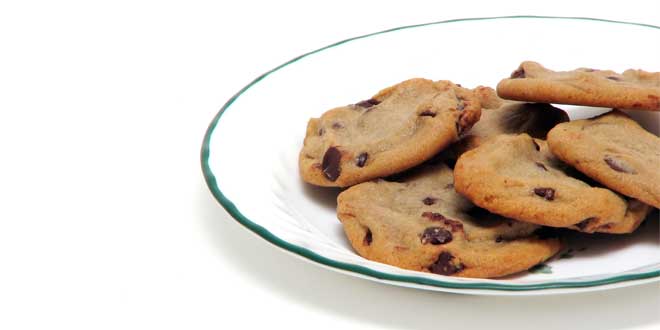
Cookies, snacks, and candies, as well as sweets, pastries, ice creams, and sugary cereals
Many of these products, besides simple sugars, contain high amounts of saturated and/or trans fats and also a high amount of sodium. It’s better to be skeptical of advertising claims these foods make (“high in fiber,” “fortified with vitamins,” “rich in iron,” etc.) and pay closer attention to their nutritional info.
Some cereals, apparently enriched with fiber or vitamins, may seem healthy but can have sugar and fats content so high that their calorie count is similar to a chocolate bar.
The mere fact that a food has a high vitamin content doesn’t mean it’s healthy at all if it also contains an excessive amount of sugar.
Alcohol
Although beer contains B vitamins and folic acid and red wine holds antioxidant phenols, you shouldn’t overdo these drinks.
It’s worth noting that excess alcohol reduces the absorption of nutrients from food (proteins, iron, B vitamins, calcium…), to the point of causing deficiencies and malnutrition. It’s toxic to cells and can damage the lining of the small intestine and stomach.
To metabolize alcohol, you need an extra dose of vitamins. First off, you’ll run out of B vitamins.

How to tell if a food has the right proportion of a nutrient?
To start, the label must show the percentage of the nutrient according to the daily recommended intake (DRI).
- Foods that provide a daily value of 5% DRI or less of a nutrient are considered low in that nutrient.
- A food is a good source of a nutrient if its daily value percentage is between 10% and 19%.
- A food that provides 20% or more of the recommended daily value is considered a great source of that nutrient.
Related Posts
- Calories needed to build muscle
- Do you know how to interpret food labeling?
- What are Polyols or Sugar Alcohols?
- Sugar Tax
- The Danger of Miracle Diets