Fitness, Nutrition, Health and Sports Blog In the HSNstore Blog you will find tips about Fitness, sport in general, nutrition, and health – HSNstore.com

- Soy protein is a plant-based and vegan alternative to animal proteins, rich in vitamins, minerals, and fiber, with low saturated fat and no cholesterol, nutritionally competing with meat protein.
- With its antioxidant and anti-inflammatory properties, it’s especially recommended for athletes because it reduces muscle damage and speeds up recovery.
- Soy plant protein is safe to consume with a recommended dose of 1,7-2,5 g per kg of body weight daily in adults.
Helps muscle recovery
Given its fast dissolving and digestion characteristics, a type of Soy Protein Isolate can be a perfect tool to take before and right after physical activity, flooding the bloodstream with amino acids.
Supplies amino acids to the body
It’s a high-quality nutrition source in vegan or vegetarian diets and easily available in stores like HSNstore, which offers a wide range of proteins suitable for plant-based diets.
Delays aging symptoms
Flavonoids, abundant in soy, provide several health benefits due to their antioxidant effects and influence on cell signaling.
Boosts the immune system and prevents diseases
Saponins are steroid glycosides, steroid alkaloids, or triterpenes found in many plants, including soy.
Regulates inflammation in the body
Polyphenols, a type of phytochemical found in plant foods, are absorbed through the intestinal tract and provide health benefits.
Protects against external agents
This is another type of polyphenol that plants release when there’s a risk or aggressive factor, as an antimicrobial response, meaning it’s a defense mechanism against external agents.

This way, we can take advantage of this phytochemical for our benefit.
Lowers cholesterol levels
Phytosterols, present in plants and structurally similar to cholesterol, provide health benefits without risks.
How to take soy protein?
Soy protein products can be easily mixed with water, milk, or plant-based drinks.
You can even use it in recipes to make desserts, pancakes, muffins…
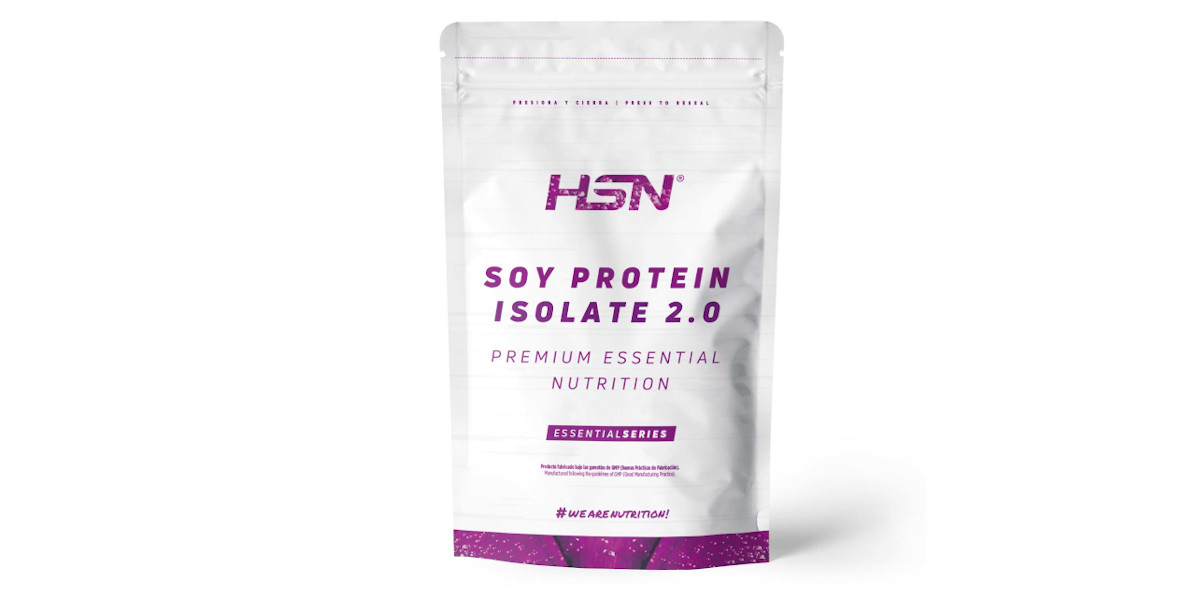
EssentialSeries Soy Isolate Protein 2.0.
Any side effects or interactions?
Results from tests in over fifty independent clinical studies show it’s a safe protein with no side effects.
The controversy comes from the component in soy, the phytosterols, natural chemicals whose molecular structure resembles the female sex hormone, estrogens. However, this plant component’s behavior in the (male) body does not lead to such effects or reduce male hormone levels, like testosterone.
Related links about soy protein:
- What are the differences between plant and animal protein?
- All the properties of Soy Isoflavones
- Pros and cons of proteins