Fitness, Nutrition, Health and Sports Blog In the HSNstore Blog you will find tips about Fitness, sport in general, nutrition, and health – HSNstore.com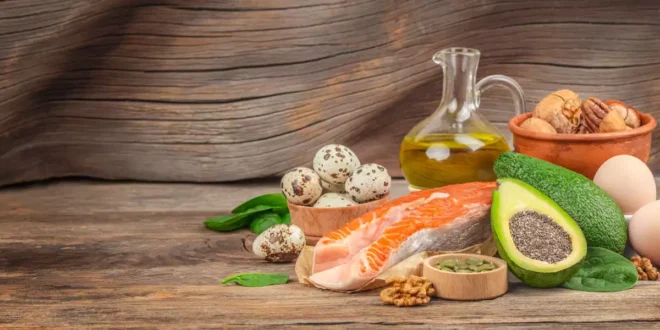

There’s a lot of confusion around fat consumption and its link to weight gain. For decades, fats have been blamed as the main culprits behind overweight. But the real deal when it comes to gaining weight isn’t fat intake itself, it’s the total calorie surplus in your diet.
Eating more calories than your body needs, whether they come from fats, carbs, or proteins, leads to weight gain.
Answering the main question:
- No, eating fat doesn’t automatically make you gain weight.
- What really matters is the total energy balance: If you consume more calories than you burn, you’ll gain weight.
On the other hand, not all fats are created equal. Some fats are healthy and essential for the body, while others can be harmful when eaten in excess.
Among the functions of essential fats for good health, we find:
- They promote the absorption of vitamins (A, D, E, and K).
- They help hormone production.
- They support brain and heart health.
| FOODS | CALORIES per 100g |
| Avocado | 160 kcal |
| Extra virgin olive oil | 884 kcal |
| Walnuts | 654 kcal |
| Almonds | 579 kcal |
| Chia seeds | 486 kcal |
| Flax seeds | 534 kcal |
| Fatty fish (salmon) | 208 kcal |
| Almond butter | 614 kcal |
| Dark chocolate (85% or more) | 598 kcal |
| Olives | 115 kcal |
| Cashews | 553 kcal |
| Pistachios | 562 kcal |
Table with main healthy fat foods and their calorie content
Don’t fear fats! In this article, we explain why you should stop being afraid of them and highlight which ones you should prioritize since they also help maintain overall good health.
Types of fats
Fats are essential macronutrients for the body, but not all have the same impact on health. Here’s the difference between the main types of fats:
| Fat Type | Characteristics | Main Sources | Health Effects |
| Saturated | Solid at room temperature. | Animal products: Butter, cheese, fatty meat. Tropical oils: Coconut, palm. | In excess, can raise LDL (“bad”) cholesterol. Linked to higher risk of cardiovascular diseases if consumed too much. |
| Unsaturated | Liquid at room temperature. | Monounsaturated: Olive oil, avocados, nuts. Polyunsaturated: Fatty fish, seeds, vegetable oils (sunflower, corn). | Heart-healthy and anti-inflammatory. Lower LDL cholesterol and raise HDL (“good”) cholesterol. |
| Trans | Chemically modified unsaturated fats (partial hydrogenation). | Ultra-processed products: Margarines, industrial pastries, fried foods. | Significantly raise LDL and lower HDL. Highly harmful: linked to higher risk of cardiovascular diseases and type 2 diabetes. |
Saturated fats
For decades, saturated fats have been seen as one of the main factors responsible for raising cholesterol and increasing cardiovascular disease risk. However, more recent research has challenged this simplistic view and sparked debate about their real role in health.
- Cardiovascular diseases are caused by a combination of factors, like chronic inflammation, oxidative stress, insulin resistance, and an overall unhealthy diet.
- Instead of focusing only on saturated fats, it’s crucial to look at the overall diet and lifestyle context.
Several meta-analyses have found no significant link between saturated fat intake and increased heart disease risk in the general population.
However, some studies suggest replacing saturated fats with unsaturated fats can improve certain cardiovascular health markers.
Not all saturated fats are the same: Those from minimally processed foods (like good-quality meat and full-fat dairy) may not be as harmful as saturated fats found in ultra-processed foods.
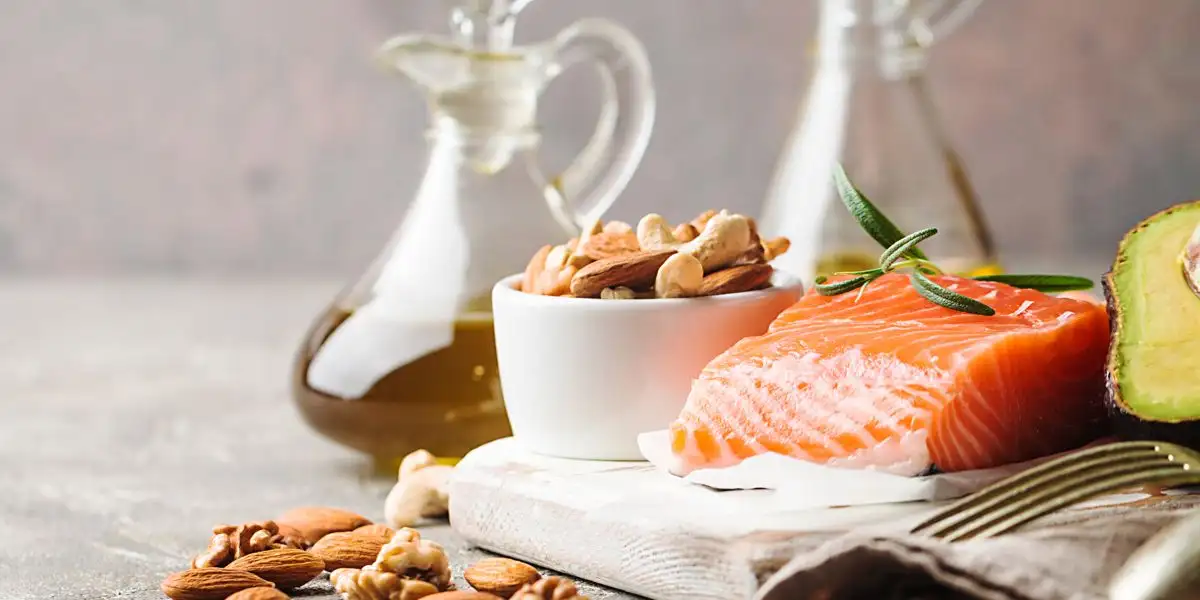
Unsaturated fats
Unsaturated fats are known as the “healthy fats” because of their many health benefits. These fats are liquid at room temperature and are divided into two main subtypes: monounsaturated and polyunsaturated, both essential for the body’s proper function.
| Fats | Health Benefits | Main Sources |
| Monounsaturated |
|
|
| Polyunsaturated |
|
|
Trans fats
Trans fats are a type of fat artificially created through a chemical process called partial hydrogenation, where hydrogen is added to liquid vegetable oils to make them solid and more stable. While small amounts of natural trans fats are found in animal products like meat and dairy, most trans fats in the diet come from processed foods.
Health risks include:
- Trans fats significantly raise LDL levels in the blood, contributing to plaque buildup in arteries and increasing atherosclerosis risk.
- Besides raising bad cholesterol, trans fats lower good cholesterol, which protects the heart by removing excess cholesterol from arteries.
- Due to their impact on cholesterol and ability to promote inflammation, trans fats are strongly linked to heart attacks, strokes, and other heart diseases.
- They can worsen conditions like type 2 diabetes and obesity.
- Also associated with higher risk of neurodegenerative diseases due to their effect on inflammation and oxidative stress.

Myths and truths about fats and weight gain
For years, fats have been unfairly demonized as the main cause of weight gain. However, modern research shows the picture is way more complex.
The myth that “fats alone make you fat” is outdated.
Science supports a more nuanced view: It’s calorie surplus and inactivity, not fats themselves, that are the real culprits behind weight gain.
Myth: All fats make you gain weight equally.
- Reality: Not all fats affect the body the same way or contribute to weight gain equally.
Myth: Eating fat automatically turns into body fat.
- Reality: Weight gain depends on total calorie surplus, not just fat intake. If you consume more calories than your body burns, whether from fats, carbs, or proteins, those extra calories will be stored as body fat.
Myth: A low-fat diet is the best way to lose weight.
- Reality: Low-fat diets aren’t necessarily more effective than others. Fats provide satiety and are essential for vital functions like hormone production and absorption of fat-soluble vitamins (A, D, E, and K).
Truth: Calorie surplus and physical inactivity are the main causes of weight gain.
- Calorie surplus: Eating more calories than your body needs, regardless of whether they come from fats, carbs, or proteins, leads to body fat storage.

What does the World Health Organization (WHO) say about fats?
The World Health Organization (WHO) provides clear guidelines on fat consumption and its relation to health. These recommendations aim to reduce the risk of cardiovascular diseases, obesity, and other diet-related health issues.
1. Total fat intake:
- Fats should make up between 20% and 35% of total daily calorie intake in a balanced diet.
- The specific amount depends on individual needs like age, physical activity level, and health conditions.
2. Saturated fats:
- Saturated fat intake should be limited to less than 10% of total daily calories.
- WHO recommends replacing saturated fats with unsaturated fats whenever possible to improve cardiovascular health.
3. Trans fats:
- Trans fat intake should be kept below 1% of total daily calories.
- Ideally, they should be completely eliminated from the diet, as they offer no health benefits and are strongly linked to cardiovascular diseases.
4. Unsaturated fats:
- Both monounsaturated and polyunsaturated fats should be the main fat sources in the diet.
- Recommended sources: olive oil, avocados, fatty fish, nuts, and seeds.
5. Focus on fat quality:
- WHO emphasizes prioritizing natural and minimally processed foods to get healthy fats.
- It recommends avoiding ultra-processed foods containing trans fats and high amounts of saturated fats, like fast food, industrial pastries, and fried foods.
Tips for healthy fat consumption
Including healthy fats in your daily diet is key for your body’s proper function. But it’s important to do it in balance to avoid calorie overload. Here are practical tips to enjoy the benefits of healthy fats without compromising your health or weight:
1. Prioritize unsaturated fat sources
- Use olive oil as a dressing for salads or for low-heat cooking.
- Add avocado slices to toast, salads, or smoothies.
- Snack on a handful (30 g) of walnuts, almonds, chia, or flax seeds, or add them to yogurts and cereals.
- Include fish like salmon, tuna, or sardines twice a week.
2. Watch your portions
Even though healthy fats are beneficial, they’re calorie-dense. Examples of appropriate portions:
- 1 tablespoon of olive oil (120 kcal).
- ¼ avocado (60–80 kcal).
- 1 handful of nuts (30 g, about 200 kcal).
3. Swap less healthy fats
- Replace butter with olive oil or avocado on toast or in recipes.
- Choose lean cuts of meat instead of fatty ones.
- Avoid trans fats: Check processed food labels and avoid those with partially hydrogenated fats.
4. Add healthy fats to main meals
- Drizzle a bit of olive oil on pasta, rice, or veggies.
- Use avocado or hummus as a healthy alternative to mayo or creamy dressings.
- Sprinkle flax, sesame, or chia seeds on salads, soups, or smoothies.
5. Cook healthily
- Use cooking methods like roasting, baking, steaming, or sautéing instead of frying.
- Limit the amount of oil used by spraying or measuring with a teaspoon.
6. Plan healthy snacks
- Swap ultra-processed snacks for natural options like yogurt with chia seeds or apple slices with almond butter and chocolate crums.
7. Balance your meals
- Combine healthy fats with complex carbs (like whole grain bread, rice, or quinoa) and lean proteins (like chicken, fish, or legumes) for a complete, nutritious meal.
Related posts