Fitness, Nutrition, Health and Sports Blog In the HSNstore Blog you will find tips about Fitness, sport in general, nutrition, and health – HSNstore.com

As one of the most popular ergogenic supplements backed by scientific evidence, creatine has become an essential ally for athletes and fitness enthusiasts.
Its positive effects on athletic performance and metabolism have proven to be a valuable boost in achieving training goals: But before knowing the effects of creatine, it is necessary to understand what it is and what its function is within the body. Naturally occurring creatine, found in foods such as red meat and fish, is stored in muscles and enhances strength capacity during exercise. This process helps to increase muscle mass and efficiently replenish ATP (adenosine triphosphate) levels in athletes. Supplementation can further enhance the effects of this compound on sports performance and muscle growth. Creatine supplementation is permitted by the International Olympic Committee and is common among athletes and individuals seeking to increase strength, endurance and muscle mass. One of the most debated topics when it comes to how and when to consume creatine is understanding the effects of this natural compound on the human body. To clear up any doubts, here are the main impacts of creatine on the body: Creatine improves performance in short, intense workouts such as HIIT, team sports and CrossFit® by accelerating muscle recovery. Studies have shown that taking 3 grams of creatine daily over the long term boosts weight training in adults over 55, significantly increasing strength. The increase in lean mass, linked to the ability to generate strength, results in a gain in muscle mass thanks to the positive effect of creatine. Studies highlight its potential in older adults engaged in weight training. Creatine improves muscle recovery after exercise, especially in short, intense activities, by increasing the energy available to the body. Most research indicates that both men and women experience similar effects of creatine in terms of optimising athletic performance and increasing muscle mass. Creatine can increase the ability to perform short, intense efforts, which promotes the development of strength and endurance in both genders. However, it appears that women may benefit more than men. The time taken for creatine to take effect depends on the amount consumed, although results are usually seen within the first six weeks. The immediate effects are in strength and power, while visible results at a muscular level usually appear in the first 4-6 weeks. If you’re considering incorporating creatine into your diet, it’s important to note that not all creatines are created equal. Here are a few options from our shop that might be right for you. Buy Creatine Monohydrate at our online shop Creatine monohydrate is considered to be the most effective ergogenic food supplement for increasing high-intensity exercise capacity and lean mass during training. This variant of creatine is highly tolerated by the body, which may result in better absorption and fewer side effects related to gastrointestinal problems. Creatine Kre-Alkalyn has a higher bioavailability compared to other forms of creatine monohydrate. This variant is associated with better absorption and uptake by the cells, allowing for a lower daily dose.
What is the function of creatine in our body?
How does it work after one month of daily use?
It optimises training performance
It increases strength
It promotes the increase of muscle mass
It boosts muscle regeneration

Creatine effects according to gender
How long does it take to take effect?
Choose the best option for you
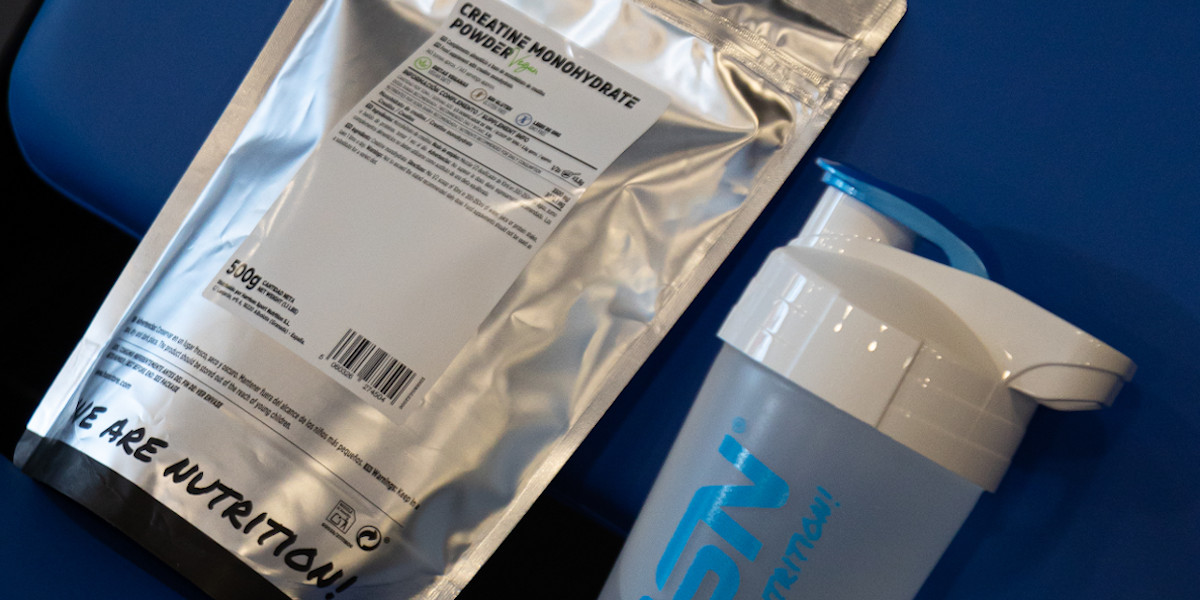
Creatine Monohydrate
Creatine Creapure®
Creatine Alkaline
Bibliographic sources