Fitness, Nutrition, Health and Sports Blog In the HSNstore Blog you will find tips about Fitness, sport in general, nutrition, and health – HSNstore.com

You’re set on running a half marathon and you’re wanting to optimise your performance in this category to the max – do you know how to go about it?
Running the Half Marathon
Running a half-marathon (21.05km) requires an ideal physical state and a mind prepared for it, because it’s not only about running, but also knowing how to handle time and suffering perfectly.
Tapering Phase
In the tapering phase (the 15 days before the race) you should always lower the volume of the training sessions, as you need to be at 100% to run.
These weeks are important, but the gaining and improving will have been done in the previous months of training, so, even if it costs you, you need to lower your training load, without lowering it too much either.

Unloading weeks
The two weeks prior to the 21k are unloading weeks, where training loads are reduced, in order to allow you to assimilate the effects of training from previous months, recover any damage your muscles may have suffered and arrive at the race with full energy reserves.
It’s important not to be afraid of this unloading phase, that shows a great ignorance of the subject, because you’re not going lose physical form from 15 days at a much lower rate than you have been training the previous months; if did keep on training as hard, then on the day of the race you’ll arrive energy less or, worse, injured.
Training volume
The work plan for these 15 days aims to get you to the day of the race fully rested without losing the physical form gained from months of suffering.
The main thing will be to reduce the number of kilometres to be run.
There’s a lot of different opinions about. Some studies suggest a reduction of 40%, others even 90%, but since it’s a two-week tapering phase, the ideal is to vary and differentiate between the first week, which would lower the total km by 25%, and the second week, which would lower it by 50%.

Regulating the training km
The way to lower the total number of kilometres must be related your experience, i.e. you can either remove training days or keep the number of days and lower the number of runs you make each day (not the series days).
Personally, I have been better off applying breaks for full days, as long as you don’t have to increase the runs in the rest of the days to compensate.
Training intensity
On many occasions, it’s also recommended to lower the intensity of the training, reducing the number of series days, reducing the run pace of training, or changing the rhythm…
But this is not usually very beneficial, so the ideal is to maintain the intensity you have been using in your training.
Don’t experiment with new types of training
Be careful! If in your plan you’ve not handled strength and power training, series, slopes, changes of rhythm… it’s not the time to experiment and include them in the tapering phase. If you do, you run the risk of getting injured.
For the next training plan, include them in your routine, because they’re the key to improvement.
- 1st week: 2 training sessions with 15′ warm-up, 8 series of 400m at the pace of your best 5km with a 90″ break between series. Cooling down 1-2km.
- 2nd week:
- 7 days before: 15’ of light jog, 6 series of 400m at the rhythm of your best 5km with a rest of 120″ between series. Cooling down 1-2km.
- 4 days before: 15’ of light jog, 6 series of 200m at the pace of your best 5km with a rest of 90″ between series. Cooling down 1-2km.
The rest of the days your training should be relaxed days where you run at a low pace, without exceeding the weekly mileage limit.
Nutrition for Running the Half-Marathon
There’s always a colleague, friend or even a professional athlete who will advise or recommend you to put a particular food or supplement in at the last minute, but you should never include it in your diet these final weeks, let alone on the day of the race.

The first rule you should take into account, which you should follow to the letter, is:
“…do not experiment with nutrition, neither on the days leading up to it or on the day of the race…”
Maintain eating patterns
Diet is key to performance in sport, and if you want to be at your best on race day, you can’t neglect it, you need to eat what you have always eaten, never binging on carbohydrates to “recharge” all your glycogen stores.
If your body is used to eating a particular amount of carbohydrates, forcing it to overeat may cause you a digestive or intestinal problem, and instead of helping you it will penalise you enormously.
Extra Care for Running the Half Marathon
If you follow the advice we’ve given, you’re likely to arrive at your race day physically rested and mentally ready to face the difficulties of a 21k, but there’s still more you can do to optimise your pre-marathon fitness to the maximum.
Legs
You’ve been training for months to run half a marathon and your body has gone through some tough times and demanding training, and if you’ve had an injury you need to go to a physio to solve the problem. It’s essential to alleviate the pathology as soon as possible.
em>All these small details will help you to be in better condition on the day of the 21km.
Mind
In these final weeks before the race, doubts tend to be on your mind.
Be positive
This anxiety is normal before any race or sporting even you’ve prepared for, so don’t give too much thought to it, you need to always think positively.

It’s clear that this is very easy to say and very complicated to do, but if you think about it coldly:
What’s the worst that can happen? Nothing, just not making the challenge.
Rest and Sleep
Most people don’t get enough sleep and this is not good for your health, with it directly affecting your fitness and sports performance.
In fact, not getting enough sleep, or not getting enough quality sleep (sleeping on and off, waking up in a hurry, urinating several times, not getting the right posture…) is one of the biggest reasons for your performance dropping.
So these two weeks before the run, you should try to sleep as much as possible to be in optimal condition on the day of the race.
Pre-Run Tips
These tips will help you on the day of the race:
- Weather: check the weather forecast two or three days before and the day before the race to find out what you will encounter.
- List: write down everything you’ll need for the day of the race, the week before.
- Bag: prepare your bag a few days before the race, always putting in a windbreaker or mackintosh for cold days, with wind or rain.
- Run: try to collect and read as much information as you can about the race.
- Rhythm table: it’s a good idea to make a plan of race times depending on the route and your experience in other races. It may not be the same as the plan, but it’s good to analyse how you should run in each phase.
- Race presentation: if there’s a presentation event the day before, go to know the locations of everything.
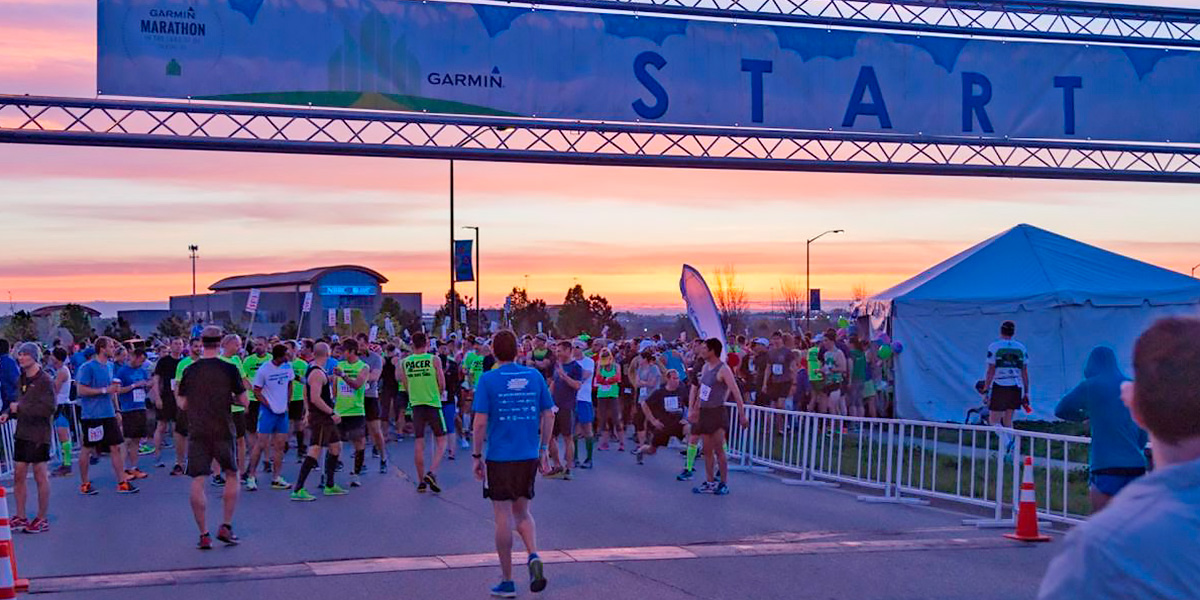
- Pre-start 21k: arrive at the race in good time, an hour before would be the minimum, warm up a little bit at a light jog (1-2km) and look for your starting box, the sooner you arrive the better, so you won’t have problems for the start, avoiding having to start at the back where you won’t be able to run the first few kilometres well.
- In the race: start the first and second kilometre gently, at a slightly lower pace than the times set in training, and increase the pace to be at the marked time in the third kilometre.
- Race end: the last 5 kilometres are where you improve your personal bests. Increase your pace to near your maximum, where you feel like you’re challenging yourself but that you can control it.
- Final sprint: if you’re suffering, don’t speed up for the last kilometre, because you might get injured. If you feel good, and especially without discomfort, raise the pace to your maximum.
- Enjoy every kilometre.
- Post-race: the first two days after the race, walk for 30 to 60 minutes to recover. Then run/walk for 30 minutes every other day for the rest of the week.
Related Entries
- How to Prepare for Your First Marathon
- Guide to Sports Supplements for Runners
- Iron Supplements for Runners and Physical Performance In-Depth
- Smoothie Recipes for Runners