Fitness, Nutrition, Health and Sports Blog In the HSNstore Blog you will find tips about Fitness, sport in general, nutrition, and health – HSNstore.com

In the last decade, the vegetarian diet and all its variants have become popular in the face of evident agri-food exploitation that has led to significant damage to environmental diversity, along with the recent publication of scientific studies showing that reducing meat consumption is associated with direct and immediate health benefits.
How does the pescetarian diet work?
Imagine a vegan, a strict vegetarian, whose diet is based exclusively on vegetables: fruits, vegetables, seeds and grains.
When a vegetarian allows himself to eat eggs, because he considers that the environmental impact of egg production is acceptable, or that the quality of life of the animals destined to lay the eggs meets his moral standards; he is considered an “ovo-vegetarian”.

If the same is true for milk, the diet is referred to as “lacto-vegetarian” or “ovo-lacto-vegetarian” if it also allows the consumption of eggs.
A “pescetarian” diet is really an “ovo-lacto-vegetarian” diet that also allows the consumption of fish, shellfish and crustaceans; since the impact on the environment, in general, is much less than the consumption of meat; and in many cases, the fish consumed for human consumption are not farmed fish, but wild caught, which means that the quality of life of the animal has not been conditioned by its destiny, something positive for the vegetarian ethic.
The pescetarian diet allows the consumption of: fruits, vegetables, cereals, seeds, legumes, nuts, eggs (usually), dairy products (usually), fish, shellfish and crustaceans.
Health benefits of the pescetarian diet
The pescetarian diet is one of the best approaches to a vegetarian diet, as it benefits from the positive effects of eliminating meat consumption, without having to restrict food choices as much as a vegan diet.
Nutrient procurement
The pescetarian diet allows for almost total, effortless procurement of the essential nutrients in the human diet.
One of the main problems of vegetarian diets is obtaining vitamin B12, a vitamin found especially in meats, but also in fish. The species with the highest vitamin B12 content are seafood in general: such as mussels and clams; also oily fish such as salmon and tuna; and of course, fortified cereals to which the vitamin is added industrially.
Another common problem with vegan diets is that ensuring adequate protein intake is complex.
Weight control
The pescetarian diet is a very suitable option for body weight management, as meats, especially fatty red meat cuts, are a significant calorie intake in the Western diet.
Eliminating it, by abstaining from meat consumption, is a perfect strategy to reduce the total daily caloric intake, without lacking the nutrients of meat thanks to the contribution of fish and animal derivatives such as eggs or dairy products.
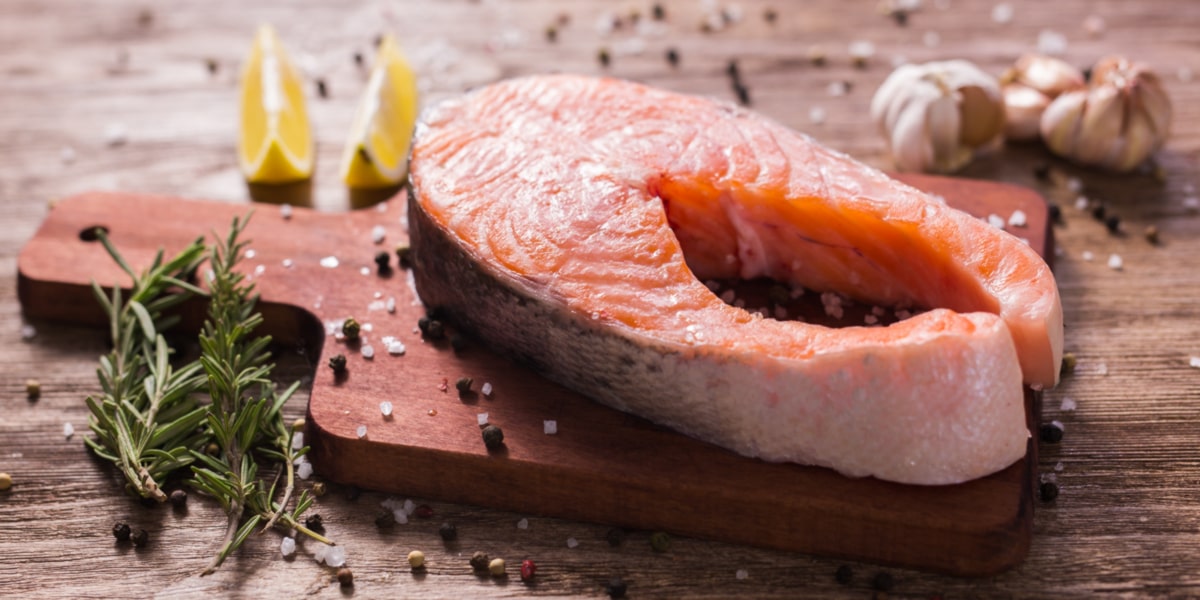
Most fish are lower in calories than meats consumed in the normal diet.
In addition, the average portion of fish consumed is smaller than that of meat, so not only is the gross caloric intake lower, but the net intake is also lower.
Reducing the risk of disease
Meat is associated with disease, this is a fact.
Despite the multiple health benefits of many nutrients in meat, meats contain compounds that generate TMAO, a molecule associated with increased central adiposity, which is directly linked an increased risk of metabolic diseases of any kind.
Meats are very high in saturated fatty acids, which is a bad thing, as saturated fats are linked to increased serum cholesterol, which induces the development of atherosclerotic plaque, directly impacting on the increased risk of cardiovascular accidents (heart attacks) and cerebrovascular accidents (strokes).
Reducing meat consumption, and more importantly eliminating its consumption, reduces cholesterol and body weight, and helps to control metabolic diseases such as diabetes and hypertension.
The most recent studies show that meat is a food that, if we are not vegan, we do not have to eliminate from our diet, but reducing it as much as possible is the smartest option.
How to avoid a lack of essential vitamins and minerals in the diet?
Nutritional deficiencies are an important thing to consider during the transition from an omnivorous to a vegetarian diet, as iron, vitamin B12, and calcium are nutrients that even with a well-planned vegan diet are scarce or non-existent.
However, in the pescetarian diet, all nutrients can be provided in adequate amounts, so the recommendation is to maintain a varied food intake, providing as many animal (non-meat) and vegetable sources as possible, thus ensuring nutritional sufficiency.
If you follow a dairy-free pescetarian diet, your daily calcium intake may be negatively affected and may be insufficient.
For this purpose, food supplements are available to provide nutrients to the diet that are not normally present in sufficient quantities due to the dietary regime of the person following the diet.
Calcium citrate is an excellent source of ionic calcium, which in turn is indispensable for the maintenance of bone and neurotransmission. In fact, when the transition to a vegetarian diet is made by women of menopausal age, calcium intake must receive special attention, as requirements increase, and with them, the need to include a high quality calcium food supplement to the diet.

The nutrient that may pose a slight drawback in terms of sufficiency in the pescetarian diet is iron.
This element is mainly present in the haemoglobin of red meat, and with the exception of fish such as salmon, trout and tuna, which have a higher iron content, the pescetarian diet is relatively iron-deficient.
Women of menstrual age may be the population most exposed to iron deficiencies due to following a pescetarian diet. For them, and for anyone else who needs an extra supply of iron, HSN offers the highest quality iron supplements on the market, suitable for strict vegetarian diets, which guarantee a daily iron intake so that you are not short of anything.
Another option for many people making the switch to a vegetarian or pescetarian diet is to include a full-spectrum multivitamin in their diet, such as Evovits Plus, to ensure that they are not missing any important nutrients.
What is the difference between a pescetarian diet and a vegetarian diet?
We have already discussed the difference between a pescetarian and a vegetarian diet.
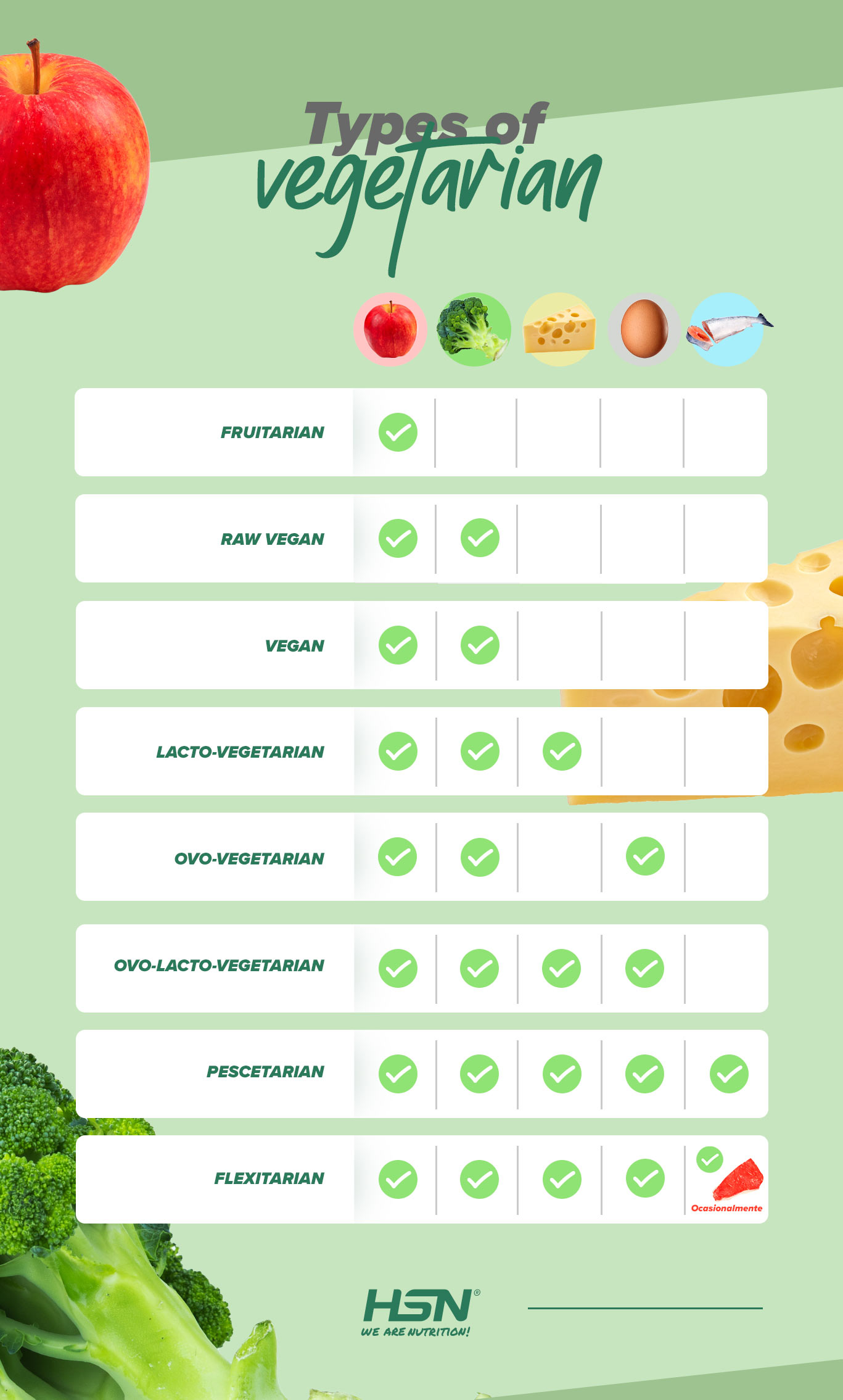
The following image shows the different degrees of vegetarianism that exist, and the foods that are restricted in each of them:
What foods can be consumed on a pescetarian diet?
- In a pescetarian food pyramid diet, fruits and vegetables occupy the base and should be consumed in considerable quantities on a daily basis;
- Whole grain cereals, Whole grain cereals such as breads, pasta, rice, root vegetables and legumes should also be consumed on a daily basis;
- The main sources of protein (in addition to legumes) are soy, eggs, dairy products and, of course, fish;
- Of course, any type of beverage and infusion is valid;
- Food supplements can, and often should, be present in the diet;
- And snacks and treats, as long as we make sure that they do not contain meat-derived ingredients (often gelatins and collagen), are also completely suitable and serve to maintain a balanced and healthy diet also on a mental level;
- We cannot forget the intake of essential fats, which are normally ensured by the intake of oily fish through the diet, but olive oil, seeds and nuts should also be present in the diet on a weekly basis.
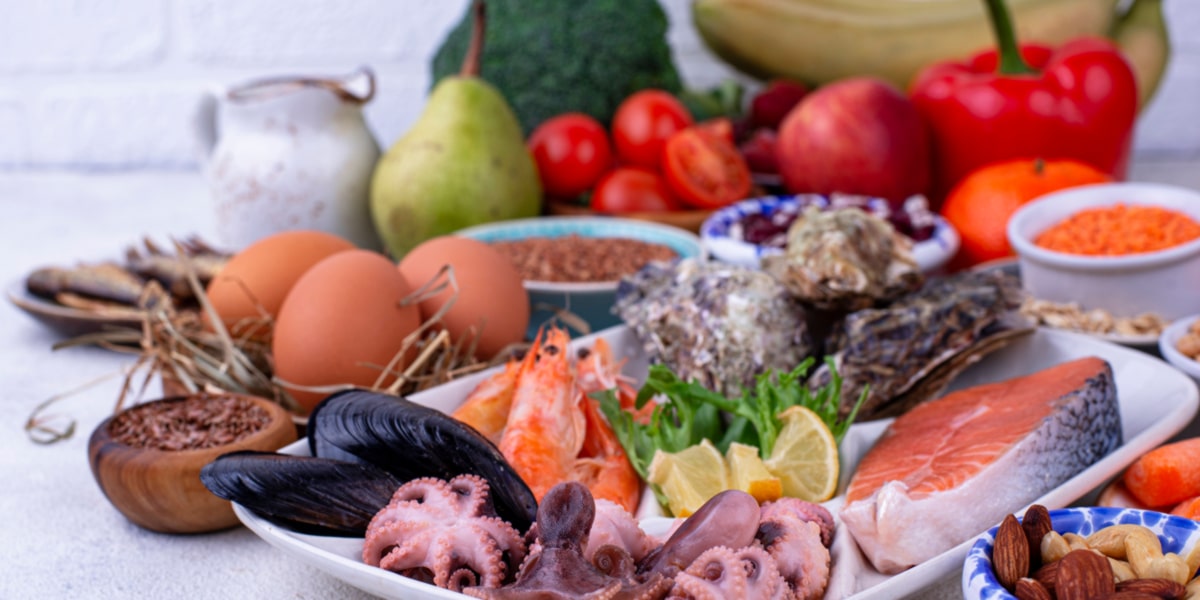
The pescetarian diet is simple: it allows the consumption of all types of food as long as they are not meat.
Related Entries
- Can you gain muscle mass on a vegan diet? Find out in this post.
- We leave you a lot of Vegan Recipes! Go now.