Fitness, Nutrition, Health and Sports Blog In the HSNstore Blog you will find tips about Fitness, sport in general, nutrition, and health – HSNstore.com

The Atkins diet is a low-carb diet, designed in the 1970s by Dr Robert C. Atkins. It has had several updates, and one of its latest versions was released in 2002.
It involves restricted carbohydrate intake, especially “bad” ones, such as those found in processed or pre-packaged foods, and follows a protein-rich meal plan.
It supports the theory that carbohydrate “abuse” is what causes weight gain, as many overweight people are insulin-resistant, meaning carbohydrates should be limited.
Atkins Diet Phases
The Atkins diet approach consists of the development of 4 distinct phases.
At first, it is drastically restrictive, but carbohydrates are progressively added until the optimal personal requirement level is reached to maintain a healthy weight.
Phase 1: Induction
This is the most restrictive phase, in which the consumption of net carbohydrates per day is limited to 20 grams, mainly from vegetables.
The duration of this phase is 2 weeks, depending on your weight loss progress.

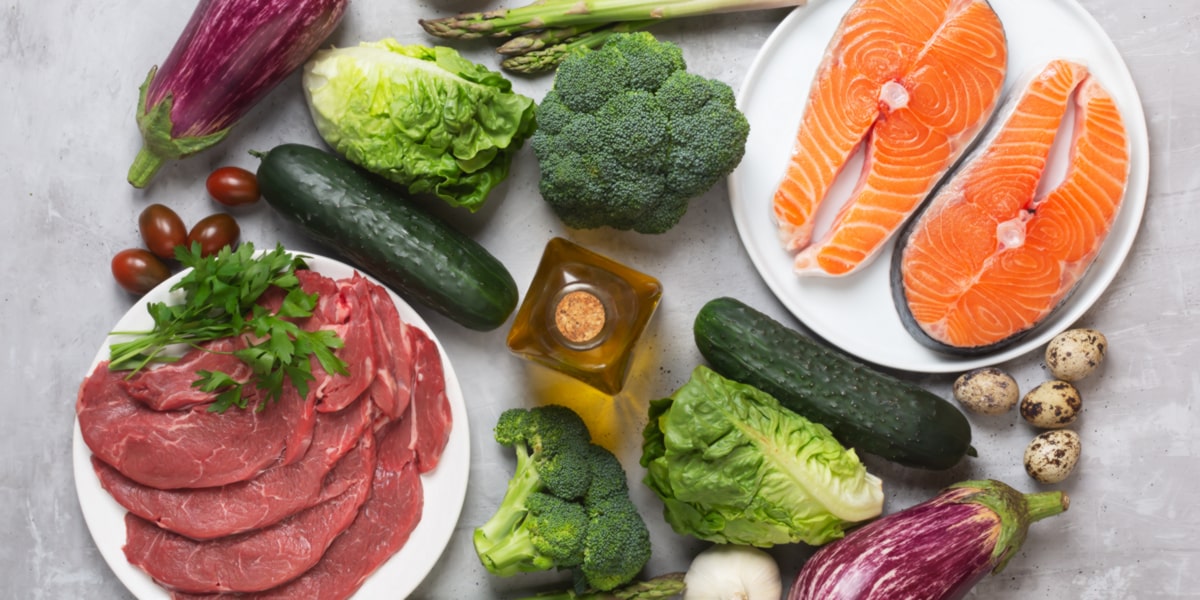
Green leafy vegetables: rocket, romaine lettuce, spinach, asparagus; broccoli, cauliflower, peppers, and cucumbers should account for 12 to 15 grams of your daily intake of net carbohydrates.
- The greatest intake will be of foods rich in protein: meats, seafood, fish, cheese, eggs.
- Fat consumption is also allowed: butter, mayonnaise, olive oil and other vegetable oils.
Phase 2: Continuous weight loss
It increases net carbohydrate intake by 5 grams for one week.
Incorporate vegetables, berries, seeds, and nuts first; and you can also add Greek yoghurt.
Phase 3: Pre-Maintenance
Now you can increase your daily carbohydrate intake by up to 10 grams per week.
You can gradually add other foods such as fruits, starchy vegetables and grains.
Phase 4: Lifetime Maintenance
In this phase, you’ll have found the perfect level of carbohydrates that allows you to maintain your new weight.
Foods not recommended on the Atkins diet
It’s recommended you avoid certain products, as they prevent the absorption of fat in the intestine:
- Sugar, as well as honey and syrup.
- Sugary drinks.
- Cereals, such as bread, pasta, rice, and cereal.
- Fruit juice.
- Alcohol.
- Vegetables that grow underground, such as carrots, beetroots, and potatoes.
- Fruits, including berries.
Benefits of the Atkins Diet
The Atkins diet not only helps you lose weight, but also provides benefits to the body:
- Some research has shown that it lowers blood pressure and triglyceride levels.
- On the other hand, it is also suggested that this diet can prevent or improve serious conditions such as diabetes 2, metabolic syndrome and heart disease.
Possible risks of the Atkins Diet
While the Atkins diet offers certain benefits, it may also have health risks, such as those mentioned below:
- Restrictive consumption of carbohydrates in phase 1 can lead to side effects: dizziness, weakness, headaches and physical fatigue.
- Limiting fibre and other nutrients can cause constipation, nausea, and diarrhoea.
- Ketosis can occur, which can cause halitosis, mental fatigue and nausea.
- Excessive protein intake can generate functional overload in the liver and kidneys.

It is possible that after reaching the desired weight goal, when resuming the normal diet, the “dreaded” rebound effect will occur, may occur and the lost weight may come back.
Related Entries
- What’s better for weight loss: cutting carbohydrates or fats? Find out in this Post.
- What you need to know about Low Carb Flours here.
- Do you know what mono- and polyunsaturated fats are? We look into them in this link.