Fitness, Nutrition, Health and Sports Blog In the HSNstore Blog you will find tips about Fitness, sport in general, nutrition, and health – HSNstore.com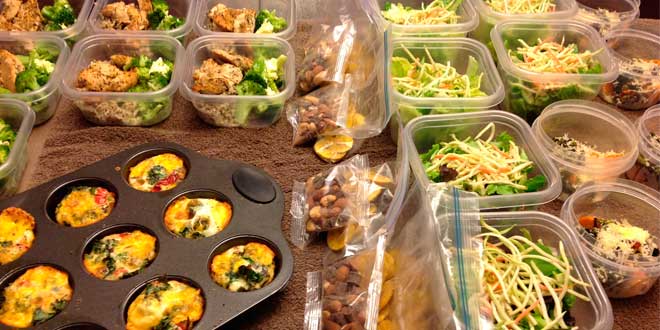

You did it. Dieting is no longer a problem for you. Although, you have to admit that, at first, it was tough to adapt to your nutrition plan and organize your menu to always get the right dose of calories. But now that you have no trouble sticking to your diet, there’s something that’s bugging you:
Have you fallen into a food rut?
Lots of people following a fitness program end up eating the same thing all the time. Once they get used to their diet, it’s hard to break out of the routine, and they feel comfy eating the same foods over and over. Why? There are several reasons, but maybe the main one is that eating the same thing is super practical. At the supermarket, you find everything right away, cooking doesn’t take much effort, and you never waste time thinking about how to plan your meals for the week.
Studies show that people who manage to lose weight and stay in shape tend to stick to their diet and usually don’t change the foods they eat. The truth is, to lose weight or maintain your diet, what really matters isn’t the type of food but the nutrient combo you get by the end of the day.
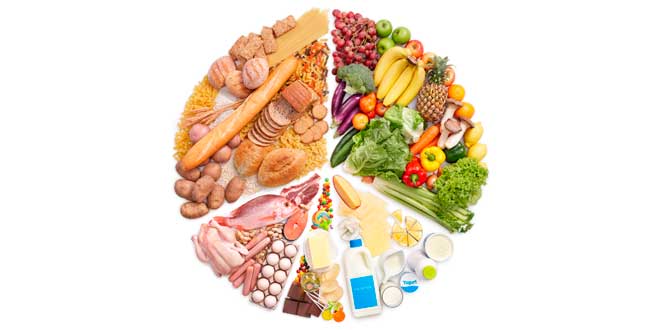
Benefits of eating the same thing all the time
Eating the same foods can be really convenient and even a good way to lose weight. “More variety in foods leads to higher intake,” says Dr. Susan Roberts, director of the Energy Metabolism Laboratory at Tufts University.
The explanation is simple: if you have more variety to choose from, your brain follows instinct and just eats as much as it can.
That’s why training your metabolism to stick to a diet without big changes can be a smart move to control those sudden hunger attacks.
Plus, when your menu is consistent and you usually plan the same foods in your diet, everything gets way easier. Even if it sounds silly, not having to think about what to cook every day is always a huge plus. And if you go to a restaurant, choosing from the menu will be way more exciting because there’ll be dishes you probably haven’t had in a while.
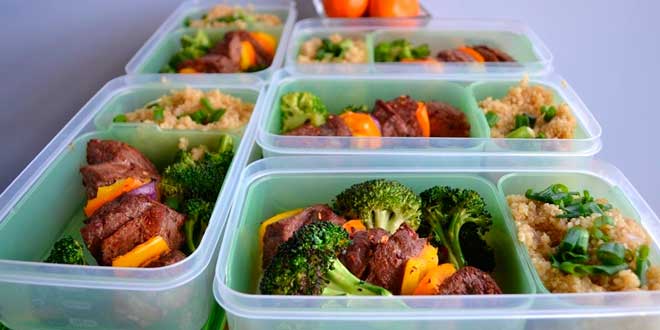
Downsides of eating the same thing all the time
That said, eating the same thing all the time can also have some downsides. The first, obviously, is food boredom. Like with almost everything in life, variety is the spice of life. Someone who always eats the same thing might end up hating their menu and turning lunch into just another chore of the day.
Don’t forget that eating should always be a pleasure, and you’ve got to learn to enjoy every meal. That’s why it’s always a good idea to keep a balanced diet where you combine all the necessary nutrients to have a tasty and healthy diet.
What happens when you eat the same thing all the time?
To explain what happens when you eat the same thing all the time, it’s important to understand how food is absorbed. Metabolism is the process where your body turns food into energy. This energy is measured in calories, and every day, you need a certain number of calories to function.
To lose weight, the balance between calories burned and calories eaten has to be negative. On the flip side, when calories aren’t burned, they get stored and end up turning into excess fat. As you can see, in this whole process, the type of food you eat doesn’t matter that much.
The important thing here is the amount of calories.
How to organize a nutrition plan
Even if it’s not a hard rule, these quick tips can help you figure out how to organize your nutrition plan. Keep in mind that everyone’s metabolism is different, and when creating a program, you should consider your fitness goals.
- Calories: For men, 2,600 calories a day; for women, 1,800. (depends on your physical activity, metabolism, and fitness goal)
- Avoid: foods with saturated fats and trans fats.
- Promote: fiber, vitamin A, and vitamin C.
- 4 pieces of fruit and 5 veggies per day.
- The more meals you have, the better.
By the end of the day, you’ve got to set things up so you end up consuming the number of calories your dietitian recommended. This is where you make sure your diet hits the final calorie count.
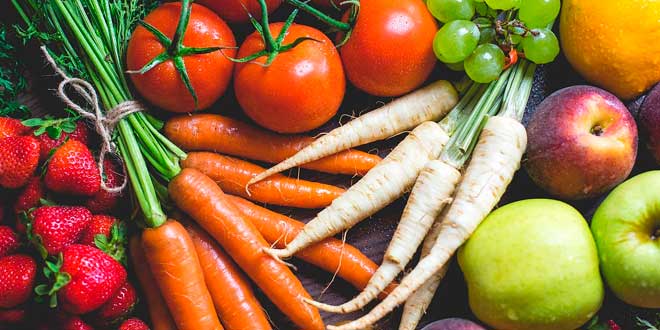
To do this, you’ll need to pay close attention to the nutritional info of the foods you eat daily. Plus, of course, create a plan with variety that includes all the nutrients you need.
Again, here’s a scheme you should take as a rough guide:
- Proteins: Should make up between 10% and 35% of your daily calories.
- Carbohydrates: Should make up between 45% and 65% of your daily calories.
- Fats: Should make up 20% to 35% of your daily calories.
Once you know the balance you need to follow, pick the foods you want to stick with during your diet. How many times you repeat them throughout the month depends on you—and your imagination. If you need to top up your protein or vitamin intake, you can always use supplements.
Tips for sticking to a diet
Everyone knows how tough it is to stick to a disciplined diet. In your daily life, you face thousands of obstacles that make your fitness plan harder. That’s why the best advice I can give you is to follow the strategy that helps you most to reach your goals. Only then will you be able to take your body to the next level.