Fitness, Nutrition, Health and Sports Blog In the HSNstore Blog you will find tips about Fitness, sport in general, nutrition, and health – HSNstore.com

Starting Cardiovascular Exercise is an excellent step that will help you put in place the whole mechanism to reduce body fat and, importantly, improve your physical capacity and performance.
Although I am of the opinion that a strength routine should be the main focus of any training programme, I will admit that “cardio” or cardiovascular exercises are also an important part of it.
What are the benefits of cardiovascular exercise?
Cardiovascular exercise is a physical activity that consists of working large muscle groups of the body in a rhythmic and repetitive manner.
It includes any type of exercise performed at a moderate level of intensity for prolonged periods of time, with an increased heart rate.
Our body benefits from cardiovascular exercise as it:
- Improves cardiovascular function.
- Helps to control blood pressure.
- Increases lung capacity and oxygen use.
- Prevents heart disease, obesity and diabetes.
- Contributes to fat and calorie burning; accelerates the metabolism and helps with weight loss.
- Strengthens the muscle system.
- Increases levels of energy and physical endurance.
- Strengthens the immune system.
- Lowers total cholesterol in the blood, as well as LDL or bad cholesterol and triglycerides. Increases the level of good cholesterol or HDL cholesterol.
- Maintains stable blood sugar levels.
- Decreases adrenaline levels, thus helping to lower stress.
- Increases levels of endorphins, improving mood.
As you progress, it’ll be possible to increase the intensity of the activity.

It is essential that you set goals for yourself so that you get the most benefit from each session.
Why should I start exercising?
Most people take up cardiovascular exercise because of its versatility.
It is undoubtedly one of the most complete physical activities, in which you can control the intensity of the training according to your needs and the complexity of the exercises.
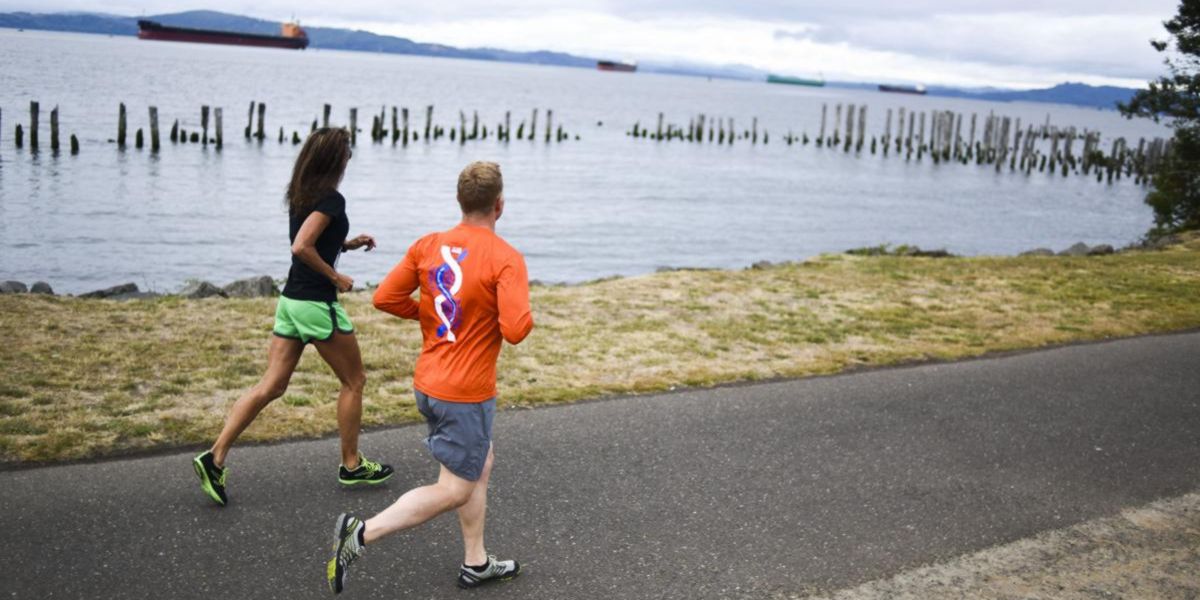
The contributions of this practice to your health will allow you to have a better quality of life in all senses.
What are the most effective cardiovascular exercises?
Running
This is the most basic, but which I consider to be the most efficient, and most demanding in my view.
Running may be the activity that consumes the most calories. On the other hand, it has the handicap that it is necessary to have a certain level of fitness, and then you have be careful about injuries, because the impact that occurs is critical, and after a while you can suffer from it.
Outdoors
It’s easy, you go outside and you have any road or surface wide enough to “throw mile” at your disposal.
Start with a progressive warm-up, and when you’re ready to do the actual work, you have several parameters to “play” with:
- Distance: set a fixed distance (100m, 200m, 400m, are usually the ones I use, if you have access to a football field it’ll be easier), and consist of going at full speed for the distance you consider, recovering within the same limit.
- Time: you will need a stopwatch. You set time intervals and repeat them between 10 and 15 times.
Indoor
Here we’ll make use of the treadmill available in our sports centre.
The most modern machines have a pause button, in case we need to quickly get off the treadmill without having an accident.
Walking
Even simpler, walking.
I mentioned in the introduction that I would name 3 types of cardiovascular exercise, however, I also include “walking”, as it’s another interesting activity.
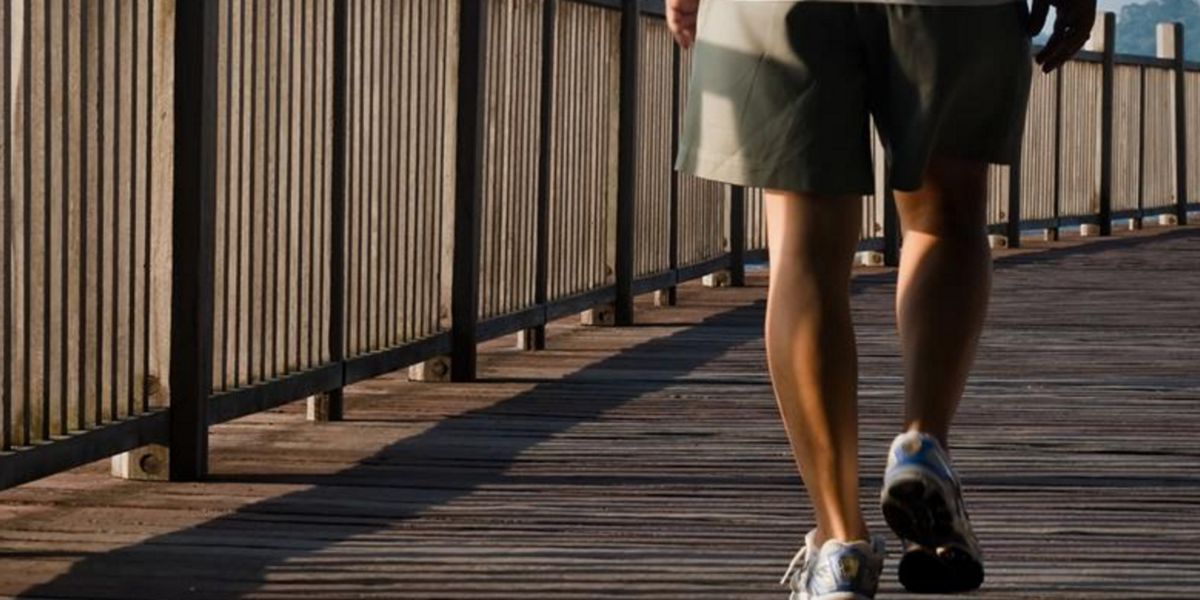
We can do it as an “active rest”, i.e. on a day when you don’t train but still want to do something gentle.
Outdoor
It’s also possible to make changes in intensity by walking.
And how? Simple.
Here we’ll set two rhythms:
- Recovery: which will be the pace that we take, not a light pace, but a fairly fast pace!
- Intensity: but in the sense of combining another mechanism, strength-resistance: the high work part will be striding!
Indoor
Now we return indoors and make use of the treadmill, but in a different way.
We look for the treadmill that allows us to set a slope (not all machines have this feature).
Then we’ll set on the machine the maximum slope and then the same pace, because this time we’ll fix it, there will be no variation of this parameter, but the intensity will be applied by: “gripping or not gripping” to the belt clamping bar!.
To give you an idea, I usually set the treadmill at a speed of 8km/h, and then do 10 repetitions of 20″ without gripping for 10″ gripping the bar, as a pseudo-recovery. Your calves will grow after doing this for several weeks, I assure you!
Cycling
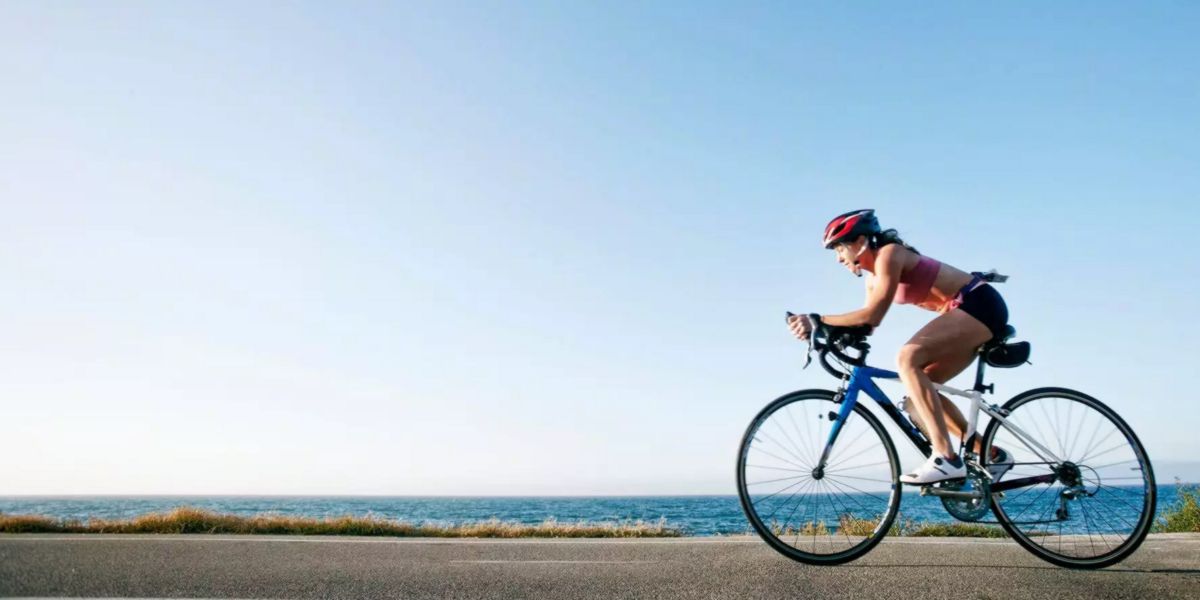
One of the most recommended and fun options. It’s also very rare to get injured doing this (unless you fall off…)
Outdoor
We can enjoy this phenomenal machine in the outdoors, and if we have access to trails and paths the experience can be even more fun and “random”, with the path lending its own variable parameters of intensity.
If this is not the case, we could always set an established route and do “laps”, where sometimes we’ll do them at a strong pace, while the next one will be at a recovery pace.
Indoor
Here are two options:
- Guided group class: just listen to the instructor’s instructions and let yourselves go.
- Single mode: that is, riding any exercise bike that will be available in the room.
In this second case, the modes of effective work and recovery will be determined by the position on the bike and the intensity applied, i.e:
- High pace: standing on the bike, pushing the variable resistance.
- Recovery pace: seated on the bike, with less resistance.
Swimming
It can be the most complicated of the 3 activities, as you really have to master the technique
Outdoor
For those privileged enough to live in coastal areas, this option is highly recommended.
It’s also a little “heavier” and requires a very good swimming base. It’s normally practised in the summer season, taking advantage of the buoys and elements that delimit the bathing area from the boat transit area.
You’ll see that perpendicular to the coast, a series of buoys are placed, about 100m apart.
Indoor
This is the stage most of you will be at, and it’s perhaps easier for those just starting out in the world of water.
We can intersperse sets of lengths at maximum speed, in crawl or butterfly, and returning to backstroke or breaststroke as part of the recovery.
How much time should a beginner do?
If you are just starting out with cardiovascular exercise, the ideal is to start with three non-consecutive days per week, and to progressively increase the frequency.
When starting cardiovascular exercise you should go slowly, acquiring the mechanics and technique of the exercise.
- During the first few sessions, rest between each exercise for at least 30 seconds and don’t prolong it for more than 5-10 minutes.
- As you progress, you can increase the intensity and reduce the rest time.
- Before starting any activity, it’s advisable to see a doctor to confirm that you’re in a suitable physical condition to carry out this type of exercise.
- Then, structure a programme according to the objectives that you set yourself with the training and use the following preparation.
Tips for starting to do cardiovascular exercise
To start doing cardiovascular physical activity, there are some considerations to take into account, as it’s a matter of preparing your body for an intense workout.
Define the exercise to be performed
You’ve now seen the catalogue of exercises that we propose, so it’s a matter of choosing the one that appeals to you most.
Start with exercises for beginners
Warm up for 5 to 10 minutes. In this phase, the activity should be gentle, with movements that slightly increase your heart rate.
Make exercise a habit
This is the most important thing: do exercise that you enjoy and that doesn’t put any kind of strain on you.
Set yourself realistic goals
Gradually build up to 30 minutes or more of some form of cardiovascular exercise or a combination of these.
It’s important to start slowly as your muscles and circulatory system need to be prepared first.
Find a reward
Finish your session with a cool-down period of 5 to 10 minutes to reduce your heart rate and prevent your muscles from contracting.
Perform each stretch for about 30 seconds.
Are you ready to start cardio exercise with us?
Bibliography
- “Prescripción de ejercicio físico para la salud” Ricard Serra Grima y Caritat Bagur Calafat. 2004
- “Fisiología del ejercicio” J. López Chicharro y A. Fernández Vaquero 2006
- “Medicina del ejercicio físico y del deporte para la atención a la salud” Ricardo Ortega ánchez-Pinilla 1992.
- Aportaciones y experiencia personales.
Related Entries
- How to finish a training session well. We give you our answer.
- Do you know these 10 benefits of running?
- 7 Cardiovascular Benefits of Physical Exercise You Didn’t Know About: go now.