Fitness, Nutrition, Health and Sports Blog In the HSNstore Blog you will find tips about Fitness, sport in general, nutrition, and health – HSNstore.com

For years, the impact of sugar on our health has been well known, being an important factor in problems such as obesity.
- The World Health Organization (WHO) recommends that no more than 5% of total daily intake should come from free or added sugars. This means not consuming more than 25 g of free or added sugar per day for adults, based on a reference intake of 2000 kcal/day.
However, less attention is given to its direct effect on the brain and how it can generate an addictive response similar to some drugs. In this article, we will explain the reasons behind this addiction through case studies and how it affects our body.
Sugar and the brain
When we consume foods rich in sugar, there is a release of dopamine in the brain. This neurotransmitter, associated with the reward system, creates immediate feelings of well-being and pleasure.
The process begins in the ventral tegmental area, from where neurons release dopamine into structures such as the nucleus accumbens, the amygdala, and the neocortex. This activation drives us to seek that pleasant sensation again, creating a cycle of repeated consumption.
This mechanism is very similar to what occurs with drugs such as cocaine. Both substances strongly stimulate reward circuits, although sugar has a different long-term impact.
Dopamine receptors and sugar addiction
In our brain, D2 dopamine receptors (DRD2) are responsible for generating feelings of pleasure. However, in people with high sugar consumption, these receptors become less sensitive, meaning more stimulation is required to achieve the same satisfaction.
Studies have shown that people with sugar addiction have fewer functional DRD2 receptors. This means they require larger amounts of sugar to “activate” the reward system, reinforcing an addictive pattern.
The effect of sugar on adolescents and obesity
Functional MRI research has shown that obese adolescents have less active reward centers. This makes them more prone to seeking sugary foods excessively, perpetuating the cycle of obesity.
This phenomenon is not limited to sugar: other addictive substances also reduce the sensitivity of the reward system, but sugar does so in a more accessible and socially accepted way.
Indicators that may reveal sugar addiction
Once we understand why sugar can lead to dependence, it is important to consider certain signs that may warn us of a possible addiction:
- Daily and compulsive consumption of high-sugar foods.
- A tendency to plan or anticipate the purchase of sweet products.
- Habitually replacing nutritious options with sugary alternatives, such as drinking juice instead of eating whole fruit.
What can we do about this addiction?
Although it is not about completely eliminating sugar from our diet, it is important to moderate its consumption. Reading food labels and prioritizing natural sources of sugar, such as fruits, can be a good starting point.
There are also healthier natural alternatives that provide additional benefits. If you are looking to reduce your sugar intake without sacrificing sweetness, these HSN options may be what you need:
Stevia
Stevia is a plant whose extract has a much greater sweetening power than sugar, but without the added calories. It does not raise blood glucose levels, making it an excellent option for people with diabetes or those looking to manage their weight.
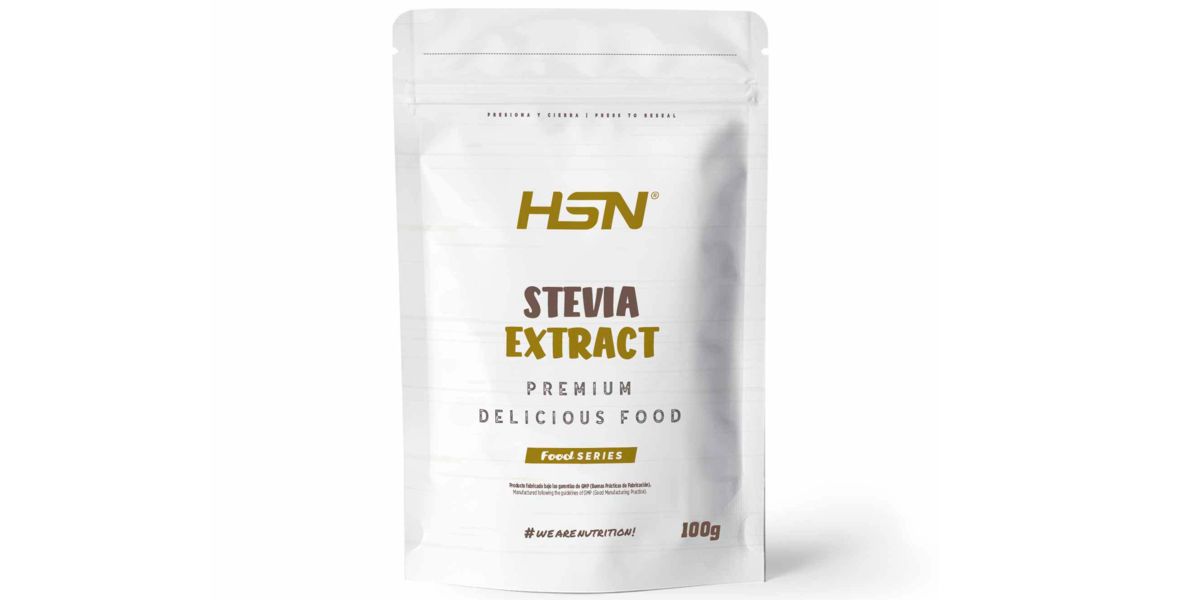
FoodSeries Stevia Extract Powder
Coconut sugar
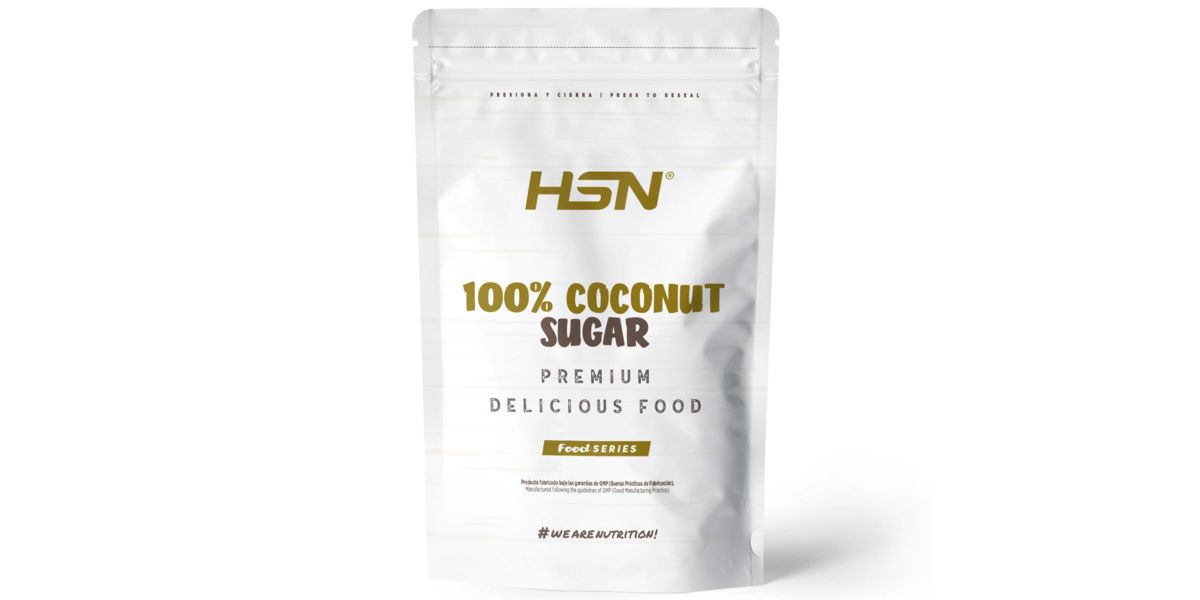
Coconut sugar is a less processed food compared to other sugars derived from traditional sources. It is a more natural, unrefined version that retains its full natural flavor and properties.
Frequently asked questions
Is sugar more addictive than cocaine?
An experiment conducted with rats allowed them to choose between consuming cocaine intravenously or drinking sweetened water. Surprisingly, the rats preferred the sugar water, even after having tried cocaine.
Another study conducted by the University of Bordeaux in 2007 confirmed these findings: the rats consistently chose sugar over the drug. The intense sweetness appeared to trigger a much stronger brain response than cocaine itself.
Why can fructose be more dangerous than glucose?
Not all sugars affect the body in the same way. Fructose, found in many processed products, has a different impact compared to glucose:
- Fructose does not activate the hypothalamus in the same way as glucose, reducing the feeling of satiety.
- It does not lower ghrelin levels (the hunger hormone) nor stimulate leptin (which suppresses appetite), promoting overeating.
This means that excessive fructose consumption can program our body to consume more calories, increasing the risk of obesity and other metabolic issues.
References:
- Cherbuin N, Sachdev P, Anstey KJ. Higher normal fasting plasma glucose is associated with hippocampal atrophy: The PATH Study.
- Stice, E., Yokum, S., Bohon, C., et al. 2010. Reward circuitry responsivity to food predicts future increases in body mass: moderating effects of DRD2 and DRD4. Neuroimage. 50(4): 1618–25.
- Stice, E., Yokum, S., Zald, D., and A. Dagher. 2011. Dopamine-based reward circuitry responsivity, genetics, and overeating. Curr Top Behav Neurosci. 6: 81–93.
- Blum, K., Chen, A.L., Chen, T.J., et al. 2008. Activation instead of blocking mesolimbic dopaminergic reward circuitry is a preferred modality in the long-term treatment of reward deficiency syndrome (RDS): a commentary. Theor Biol Med Model. 5:24. Review.
Related Posts
- Everything you need to know about sucralose
- Is sugar really as bad as they say?
- Allulose, the best alternative to sugar
- What are polyols or sugar alcohols?