Fitness, Nutrition, Health and Sports Blog In the HSNstore Blog you will find tips about Fitness, sport in general, nutrition, and health – HSNstore.com

- Travellers’ diarrhoea is a very common gastrointestinal disorder in people travelling to international territories where hygiene, sanitation and eating habits are very different from the country of origin. It is predominantly acquired orally, by drinking water and eating food contaminated with pathogenic micro-organisms (viruses, bacteria, parasites).
- The condition is characterised by stools of decreased consistency, associated with a frequency of 3 or more watery stools in 24 hours and usually lasts 3-5 days. It is usually accompanied by other symptoms, such as nausea, vomiting, abdominal pain, cramps, fever, blood or mucus in the stool, and dehydration may occur.
- The use of probiotics in the prevention of traveller’s diarrhoea is favoured because of their effects on the gut microbiota and the reduction of colonisation by pathogens, as well as the safety they provide. They are also recommended as treatment when diarrhoea is already present.
How to prevent traveller’s diarrhoea?
To avoid contracting traveller’s diarrhoea, it is essential to follow the guidelines below.
Take care of your hydration and diet
- Stay well hydrated by drinking water and electrolyte drinks.
- Always drink bottled water.
- Set aside fruit juices or other unpackaged liquid products.
- Wash your hands with soap before and after eating, handling food or going to the toilet. Dry them with a clean towel or air dry.
- Do not eat raw meat of any kind; do not eat uncooked fish or shellfish.
- Wash fruits with treated water and peel them before eating.
- Do not add ice to drinks without knowing where the water comes from.
- Avoid eating salads and raw vegetables.
- Do not consume unpasteurised milk or dairy products (custard, ice cream, fresh cheese, etc.).
- Store prepared foods in airtight containers and refrigerate them to prevent the growth of micro-organisms.
- Do not eat at street vendors.
- Increase hygiene measures and precautions, do not share glasses or cutlery with other people.
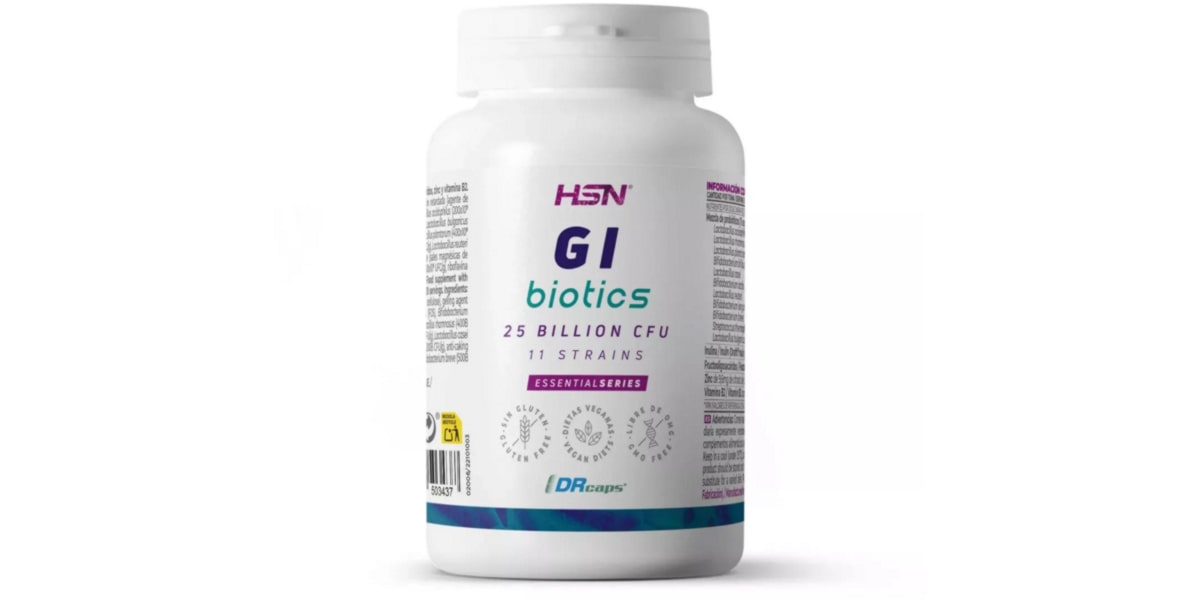
The intake of probiotics is also a preventive measure against travellers’ diarrhoea.
Watch what you do
During your trip, avoid contact with environmental factors that may be susceptible to contamination.
How to fight it?
In the treatment of travellers’ diarrhoea, the first action is adequate hydration with sufficient fluids, especially water, to treat or prevent dehydration.
It is also helpful to follow a soft, fat-free diet consisting of well-cooked foods such as rice, lean white meat (chicken, turkey), potatoes, carrots, soups or herbal teas without sugars.
Boost your microbiota with probiotics
One of the main functions of probiotics is the prevention and treatment of gastrointestinal disorders. There is ample scientific evidence supporting the efficacy of certain probiotic strains in acute digestive tract processes.
The known benefits of using natural probiotics are to digest food and compete with pathogenic bacteria for nutrients, to alter the local pH to create a local environment unfavourable to pathogens, to prevent their growth and to strengthen the microbiota.
We recommend a visit to the doctor
If there is blood or mucus in the stool, continuous vomiting, high fever, severe abdominal pain or the diarrhoea is prolonged over time (more than 5 days), it needs to be evaluated and treated promptly.

Conclusions
In conclusion, travellers’ diarrhoea is a very common condition that causes uncomfortable gastrointestinal symptoms. Prevention plays a key role by implementing hygiene measures, avoiding contaminated food and water, and considering the use of probiotics.
Related Entries
- How does Intermittent Fasting affect the Microbiota?
- Is Microbiota the Key to Overcoming Obesity?
- Natural remedies to stop diarrhoea problems
- Probiotics to restore the Intestinal Flora