Fitness, Nutrition, Health and Sports Blog In the HSNstore Blog you will find tips about Fitness, sport in general, nutrition, and health – HSNstore.com

- Strong legs will take you anywhere… Generally, lower body training produces two adverse effects: it’s either a favorite muscle group or a torture to train…
- These can be a complement to our regular routine or as a workout to do at home. Also, if we don’t have much time or some weeks it’s impossible to go to the gym, here we have a good alternative.
- Among the proposed exercises, I have selected a total of 5 types, which will emphasize specific muscle areas, dividing them into: quadriceps muscles, hamstring muscles, glutes, and calves.
Isometric Squat
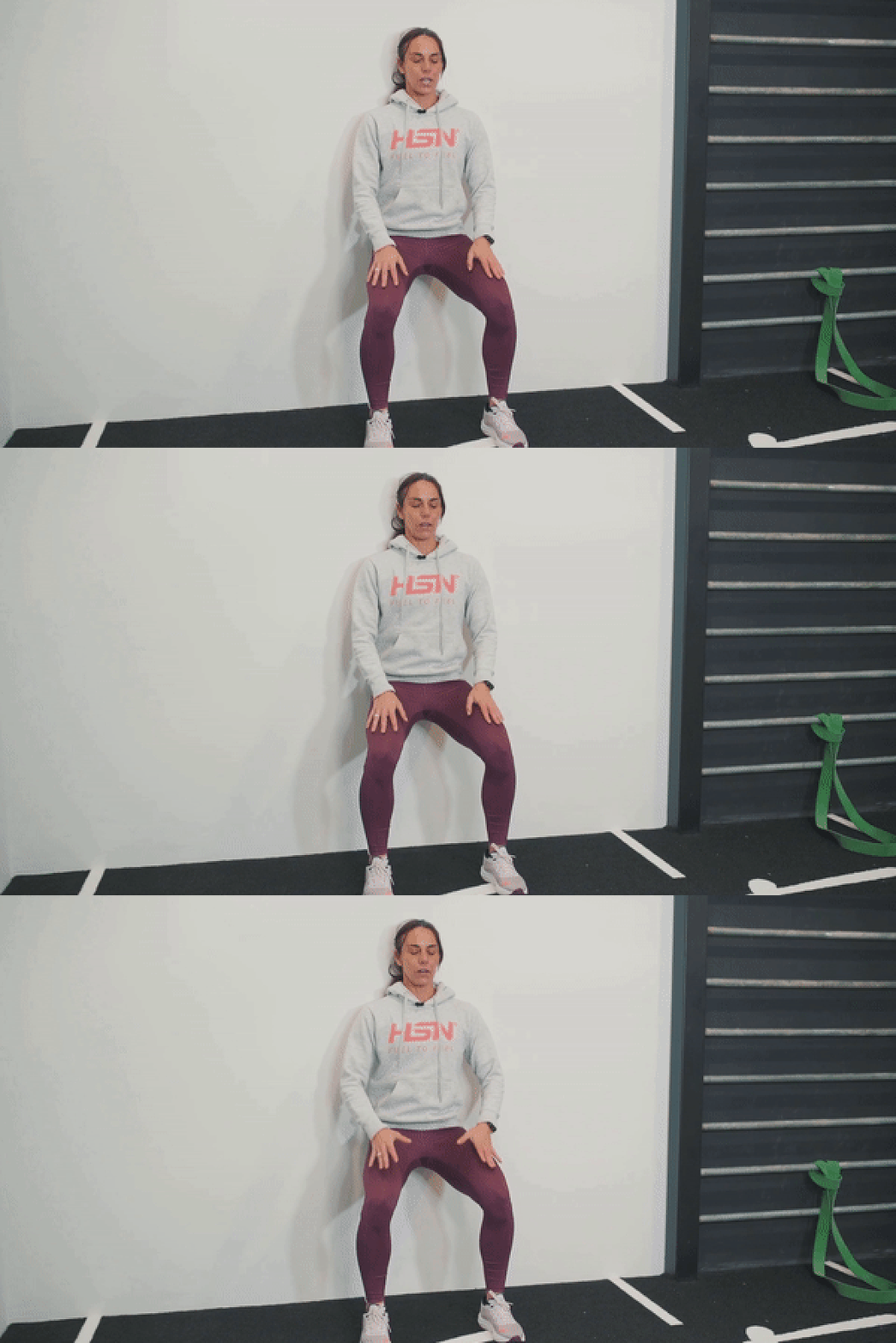
We have all done squats, either with bodyweight, free weights, or on a machine. But I believe almost none of us have tried this isometric variant.
An isometric exercise is one where there is no movement but force is being exerted, and the muscle neither contracts nor extends.
The isometric squat involves holding the position while leaning against a surface, like a wall. It is an excellent exercise for improving stability and strengthening the lower body muscles, without any risk of injury. In fact, it appears that the isometric squat can be used as a measure of strength or power.
Pistol Squat or One-Leg Squat
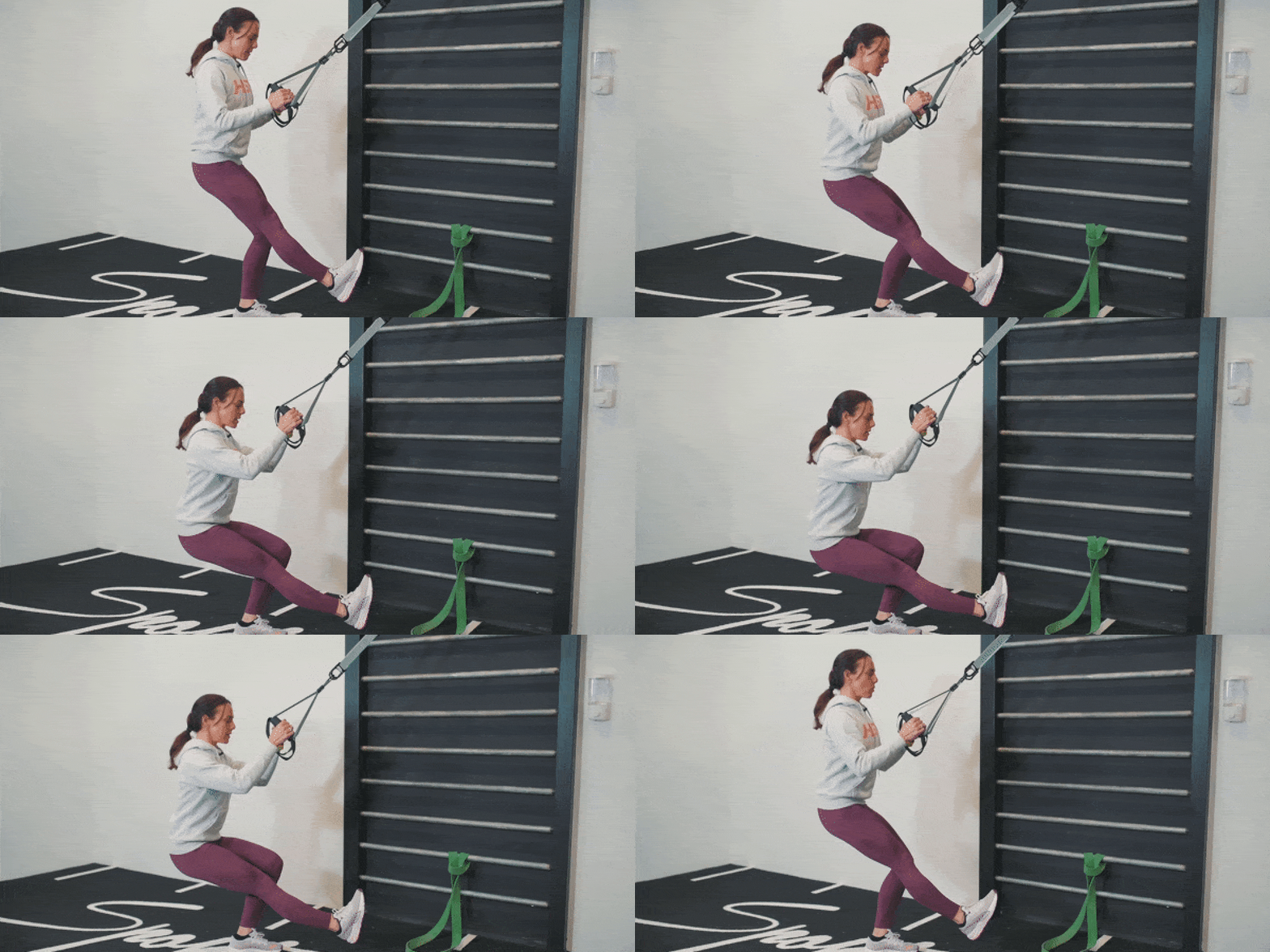
The one-leg squat is possibly one of the most complex exercises we can do with our body weight, as it requires mastery of several aspects such as strength, stability, and balance. However, once we have mastered the technique, it will bring us many benefits.
Unilateral Glute Bridge
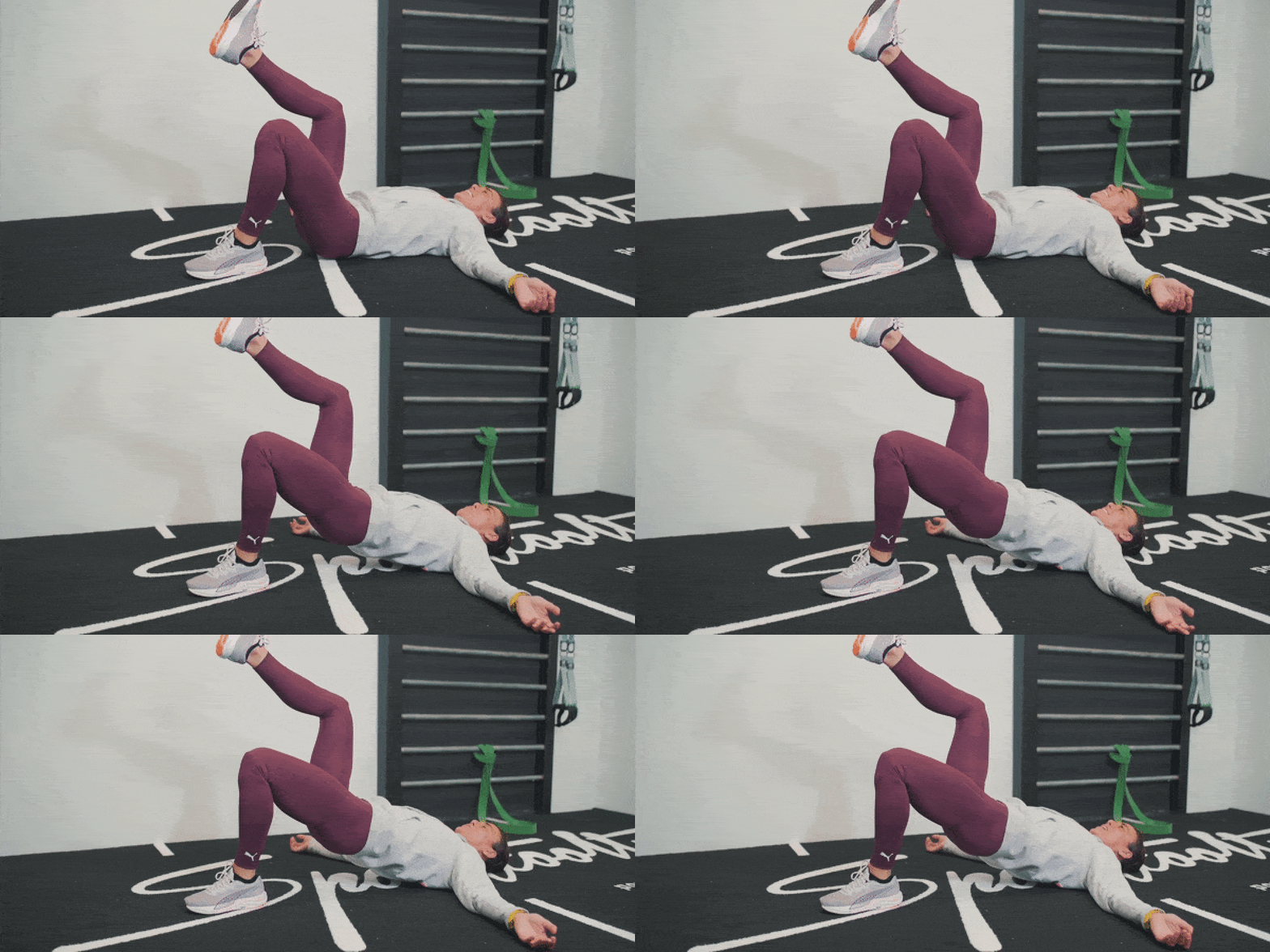
This is an underutilized exercise but with immense impact. The hip joint extends through the synergistic functioning of the hamstrings, gluteal muscles, and extensors, with the support of the lower back muscles.
Keeping the posterior chain muscles active and strong will enhance muscle development, as well as significantly improve our posture, reduce lower back pain, which is quite common in people who spend a lot of time sitting.
Nordic Curl

A well-known exercise among trainers and high-level athletes as numerous studies reveal, it is considered one of the best for preventing hamstring injury due to the tension it must endure, especially in explosive or powerful activities (sprints…).
Once an athlete suffers an injury in this area, it is very likely to recur, so it is vital to include the most feasible exercises to try to prevent the next muscle tear. In our case, we can adopt this magnificent exercise and take advantage of its benefits to strengthen our leg muscles.
If you want more information, don’t miss this Nordic curl technique.
Unilateral Calf Raise
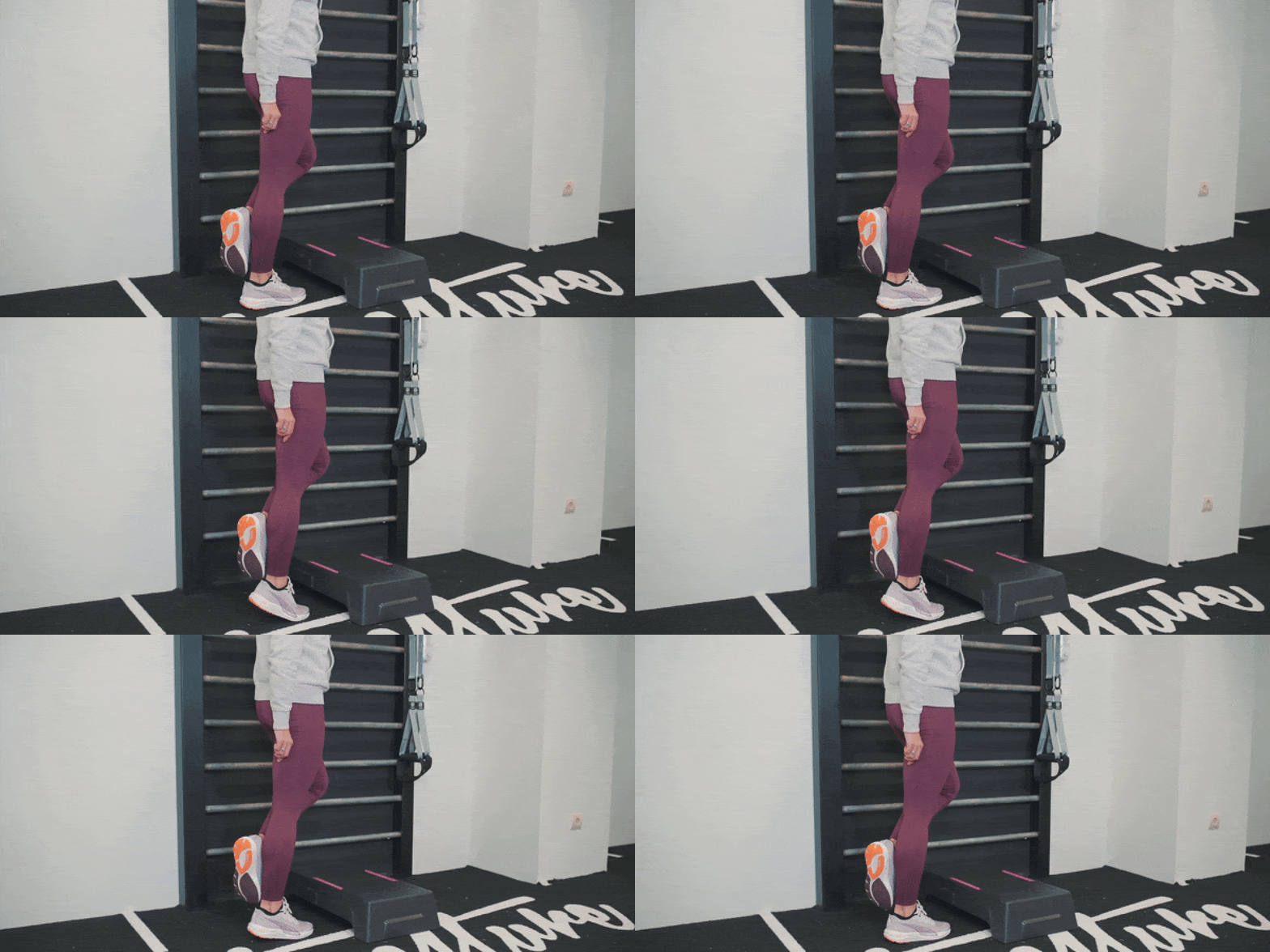
Calves are those muscles that disappoint people looking to develop them, with genetics playing a key role in this process.
However, what we can work on is strengthening the muscle fibers of these muscles.
In reality, calves can withstand a high workload, given the distribution of type I or slow oxidative fibers (), they can withstand prolonged efforts.
Related Posts