Fitness, Nutrition, Health and Sports Blog In the HSNstore Blog you will find tips about Fitness, sport in general, nutrition, and health – HSNstore.com

The million-dollar question, how do you gain muscle mass by running?
Can you build muscle being a runner?
The answer is yes, and there are several reasons why.
When we talk about long-distance runners, it ‘s true that high muscle mass indexes, and therefore the overall weight of the runner, (weight is a key factor in sports performance) could negatively affect performance and increase energy expenditure.
The greater the weight to be displaced, moving against the force of gravity, the greater the energy expenditure will be.
In addition, the greater the muscle mass, the greater the oxygen supply necessary to maintain activity. Therefore, in competitive periods, it’s recommended you maintain healthy levels of body composition with low percentages of fat.
Consequently and due to the type of activity, there’s a greater development of type I slow muscle fibres, which have a longer structure and produce less power than type II.

However, the next question would be: Do runners really need to increase muscle mass?
How do you gain muscle mass when running?
In our training plan, we can include both specific strength sessions aimed at improving / maintaining muscle mass, as well as more explosive running sessions that promote the increase of type II muscle fibres and thus an increase in lower limb muscle mass.
For example:
- Uphill sprints.
- Climbing stairs two at a time.
- Weighted sprints.
- Sled pull.
- Very short and very fast explosive sets.
3 Tips for gaining muscle as a runner
Below are 3 key tips for improving muscle mass or at least not losing it if you’re a runner:
Meet your protein requirements
Maintain a good daily protein and carbohydrate intake to promote protein synthesis and restore muscle glycogen stores by preventing protein degradation and oxidation.
Studies show that consuming post-exercise protein helps to mitigate certain markers of muscle damage.
As there is a strong degradation of proteins and fibrillar micro-tears caused by the impacts of running, protein intake in the daily diet is essential for runners.
Keep in mind that, after long-lasting training sessions or competitions, in a state of glycogen depression, protein destruction could reach 13.6 grams per hour, which would affect (if there is no replacement) the loss of muscle mass.
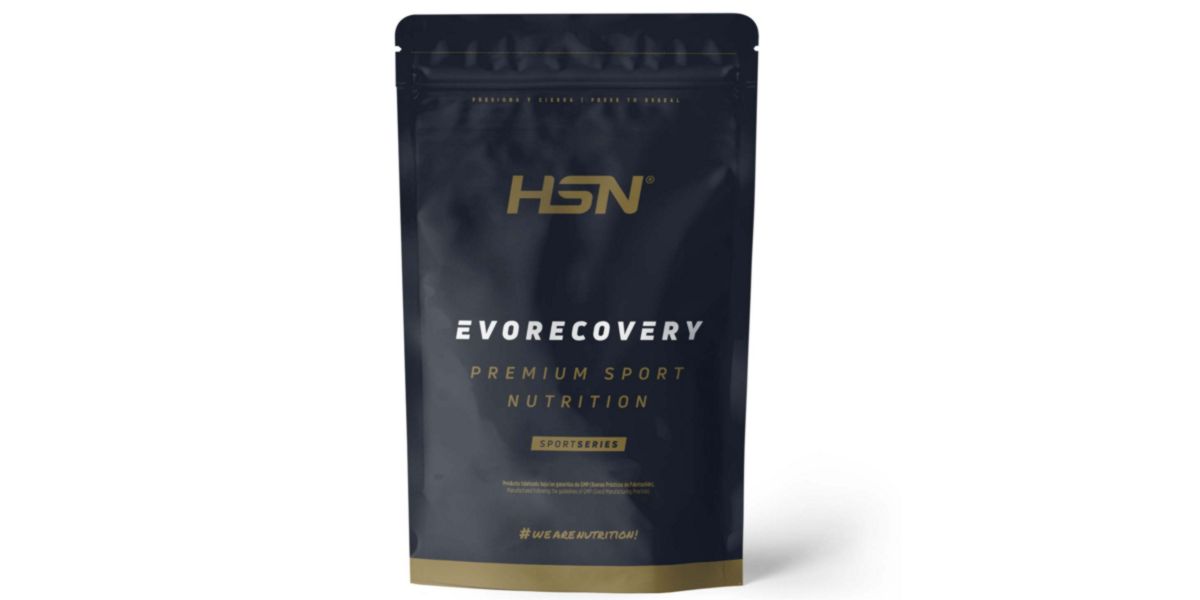
Therefore, a recuperator like Evorecovery, with carbohydrates and fast-assimilating protein, is highly recommended for runners to avoid losing muscle mass.
Strength Training
On an individual basis and depending on the specificity of the sport of athletics, we will need more or less muscle mass, but in all cases, it’s necessary to have it and to carry out specific training for it.
The perfect time to introduce several training sessions of Strength Hypertrophy is at the beginning of the season, before entering it, and later in the competitive stage.
And, of course, continue with maintenance throughout the season.

It’s time to prepare the body for what’s to come later.
Ensure proper rest
It is useless to conscientiously plan your workouts and meet your protein requirements if you’re not able to rest.
In this scenario, on the one hand, our recovery will be impaired, and therefore our performance, and on the other hand, our training assimilation will be much lower.
Related Entries
- Do you know the best Supplements for Running according to science?
- We tell you all about Steps Training.