 Fitness, Nutrition, Health and Sports Blog In the HSNstore Blog you will find tips about Fitness, sport in general, nutrition, and health – HSNstore.com

“Burn fat” is a hugely popular term that most people know and use. It’s generally associated with, or thought to refer to, weight loss and a decrease in fat percentage, but it’s a somewhat misused word, much like “toning”…
However, we’re going to take another approach, one more focussed on sport, and how this macronutrient behaves as an energy source. There are no magic formulas, just hard work and perseverance!
Fat Usage
A well-trained athlete has a great capacity for increasing fatty acid oxidation, as they can draw on fatty acids and use them as fuel, rather than carbohydrates (limited energy). In contrast to these athletes, obese patients who have high insulin resistance or type II diabetes are very inefficient at “burn” fat.
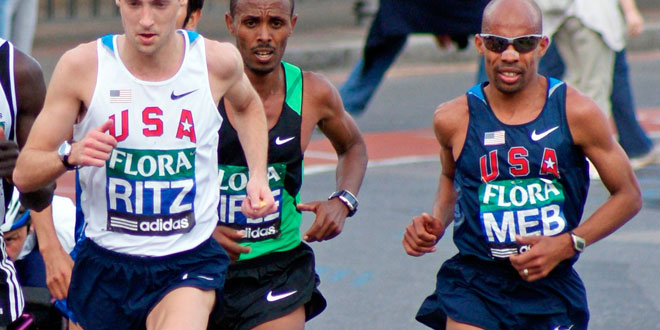
It’s important to understand the factors that regulate fat metabolism, and ways to increase fat oxidation, in both patients and athletes
Fat Burn and Energy Production
Lipolysis
Fat is stored in adipose tissue, but also at the intra-muscular level (intramuscular triglycerides). When you start exercising, neuronal stimulation, where catecholamines (adrenaline, noradrenaline) intervene in the process by increasing lipolysis, leads to the breakdown of fats into fatty acids and glycerol in adipose and muscle tissue.

During exercise, a mixture of fatty acids derived from adipocytes and intramuscular stores are used. More trained subjects use more intramuscular fat as an energy source during exercise.
Oxidation of Fatty Acids
As soon as the exercise begins, the fatty acids are mobilised from the adipose tissue, which are transported to the muscle, through the cell membrane, and reach the mitochondria, the cell organelle where beta-oxidation occurs (commonly known as “fat burn”), and thus, is subsequently used as energy.
Factors that influence Fat Burn
Exercise Intensity
One of the most important factors determining the rate of fat oxidisation during exercise is the intensity. It’s generally recommended that if we want to burn fat, we should exercise in a zone known as the “fat-burning zone”, which will depend on our heart rate.

It sits at around 60-75% of our VO2MAX (anaerobic threshold).
Exercise Duration
The longer the exercise lasts, the more the body will use fat as an energy substrate.During ultra-distance competitions, high peaks of fat oxidation can be reached.
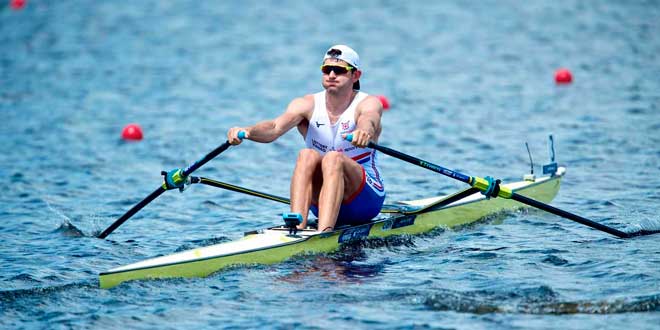
In terms of weight loss, exercise duration can be considered an effective way to increase the energy used (calories burned)
Type of Exercise
The degree of fat oxidation differs depending on the sporting activity being practiced. Amongst the differences between the activities (athletics VS CrossFit), or even within the same activity (training one muscle group or another), there will be several variables affecting the use of more or less fuel from fat.

Bear in mind that the calorie expenditure of an activity is not the same as the final fat expenditure…
Diet and Performance
To reduce our fat index, our energy intake from food must be less than our energy expenditure. It’s about creating a caloric deficit. If our training is extremely demanding, we’ll have to plan to avoid affecting our performance or recovery.

Women have a higher rate of fat oxidisation when exercising. However, the differences generally aren’t too big…
Training while Fasting
Training while fasting can increase the amount of fat you use up. However, as with before, if the amount of calories we’re consuming through our diet exceeds our total energy expenditure, the process won’t be effective.

Endurance athletes often use this method of skipping breakfast, or training while fasting, with the specific aim of encouraging fat oxidation and increasing their metabolic flexibility
Tips to Boost Fat Burning
Training Frequency
Obviously, one of the most effective methods to promote fat oxidation is through regular training.Through regular exercise, it’s possible to increase the enzymes that generate more stimulus for fat burning, increase mitochondrial density, increase blood flow… all of which will increase the rate of fat oxidation.
Strength Training
The pillar of sporting activity for everyone, regardless of their physical condition. While it might not result in fat loss in the short term, it will condition our evolution.
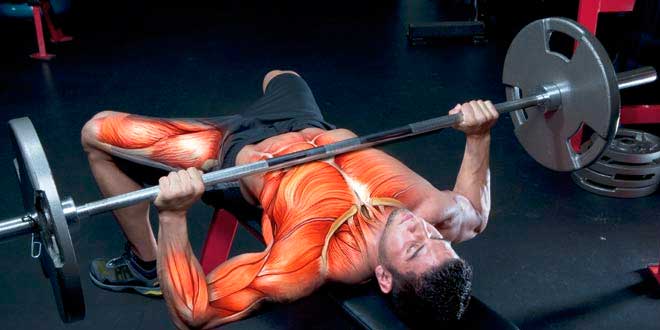
Basic strength exercises: squats, deadlifts, bench presses… these all help to mobilise a large amount of muscles, which will directly and indirectly increase energy expenditure
Circuit Training
This kind of training aims to maintain a high calorie expenditure for the duration of each set or round. Several stations are established, generally with functional exercises performed at each.
Aerobic Activity
As we saw earlier, the intensity of the activity will result in the use of more or less fat. If our goal is purely aesthetic, low-intensity aerobic exercise will complement a training programme focused on fat loss.
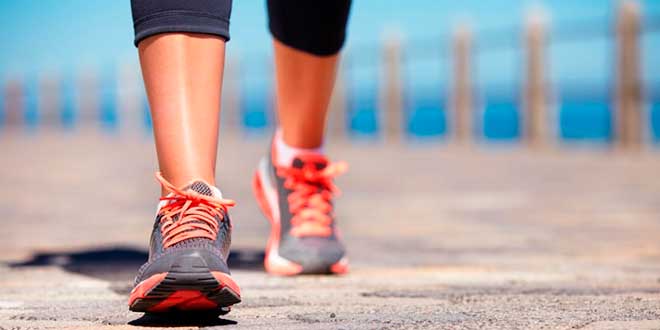
Activities such as walking or running at an intensity of approximately 50-65% of the VO2Max seem to be one of the most effective ways to achieve the greatest amount of fat burning
Increase your NEAT
The fat burning or oxidisation that occurs when exercising is really small when compared to the rest of our day. All of our daily activity contributes to our calorie expenditure. Taking the stairs instead of the lift, cycling instead of taking the car… Although they’re everyday activities, we can still include them in our programme planning, even if they’re listed under the NEAT terminology (“Non Exercise Activity Thermogenesis”).
Supplements for Burning Fat
There are a wide range of supplements on the market designed to supplement a nutritional and training plan and produce a greater degree of fat burning. Some of the best are:
- Caffeine. This stimulates lipolysis and fatty acid mobilisation by increasing the circulation of catecholamines, or by antagonising receptors that inhibit hormone-sensitive lipase.
- Guarana. Its active ingredient, guaranine, is very similar to caffeine, and therefore causes fatty acid oxidisation. The response is somewhat less acute at first, but more sustained and prolonged.
- Green Tea. The active substance in greeen tea is polyphenols, particularly epigallocatechin gallate (EGCG). It also contains caffeine, which is used to promote fat burning.
- Tyrosine. This is an amino acid precursor of catecholamines. As a result, it increases catecholamine levels and, as we have seen, increases lipolysis.
Study: Am J Clin Nutr 87: 778-784, 2008
One study found that drinking green tea before exercise could increase the lipolysis rate by 20%. The mechanism that causes this effect is not established, but it’s thought that the active ingredients present in green tea, called epigallocatechin gallate (EGCG), which is a potent polyphenol with antioxidant properties, inhibits the enzyme COMT (catechol O-methyltransferase), which is responsible for the degradation of noradrenaline.
As such, higher concentrations of this substance are maintained, and therefore greater stimulation of lipolysis, making more fatty acids available for oxidisation.
Related Posts
- 10% Body Fat Loss Protocol
- Activate Brown Fat to Lose Weight
- What's better for burning Fat: Cardio or Weights?
- Maximising Fat Burning
- Supplements for Weight Loss
- How Do I Calculate My Ideal Weight?
- What happens when we first start exercising?
- Metabolic Resistance to Insulin