Fitness, Nutrition, Health and Sports Blog In the HSNstore Blog you will find tips about Fitness, sport in general, nutrition, and health – HSNstore.com

We analyse supplementation with ketone salts and its potential ergogenic effects, both for sports performance and health. Is it possible to take exogenous ketones?
How our body obtains energy
Our body has a highly refined bioenergetic system, which predominantly uses the oxidative energy production system (in the presence of oxygen); around 95% of our energy comes from this mechanism.
When energy demands increase significantly, for example during intense physical exercise, such as performing a HIIT session, the system prefers to break down glucose in the absence of oxygen in the cytoplasm of muscle cells (sarcoplasm).
Because it is faster and more effective.

Simplified graphic representation of human metabolism (catabolism above, anabolism below).
Although this process allows a greater amount of energy to be obtained, it quickly produces waste substances, protons, which alter the pH balance of the medium and produce acidosis.
Keto diet and energy
One of the most common questions is:
“If I follow a keto diet, I do not have glycogen available to obtain energy extensively and blood glucose has to remain stable… Where do I get energy from to train intensely?“
In fact, energy in a keto diet is obtained predominantly from free fatty acids and ketone bodies, which are the topic at hand, as they are responsible for providing most of the energy to muscles and the nervous system in keto diets.
What are ketone bodies?
Ketone bodies are organic acids produced predominantly in the liver, in cases where the capacity of the tricarboxylic acid cycle (formerly called the Krebs cycle) to produce the elements from which we obtain energy is exceeded.
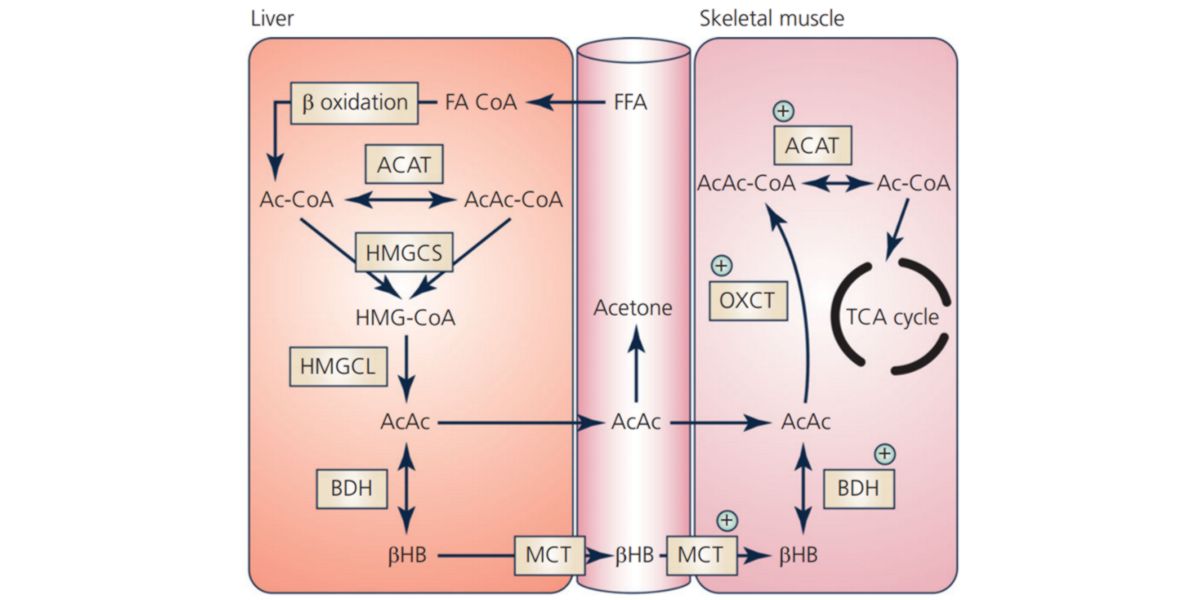
Metabolism of β-Hydroxybutyrate (synthesis from fatty acids), transport into the blood, transport to the muscle cell and use as an energy source.
At that point, Acetyl-CoA (Ac-CoA in the previous image) is transformed into Acetoacetate, and this in turn into Beta-hydroxybutyrate, which is the most reduced ketone body, highly hydrophilic, that our body handles and uses easily.
It is a simple way to handle large volumes of energy intermediates that are produced by ceasing to use glucose predominantly.
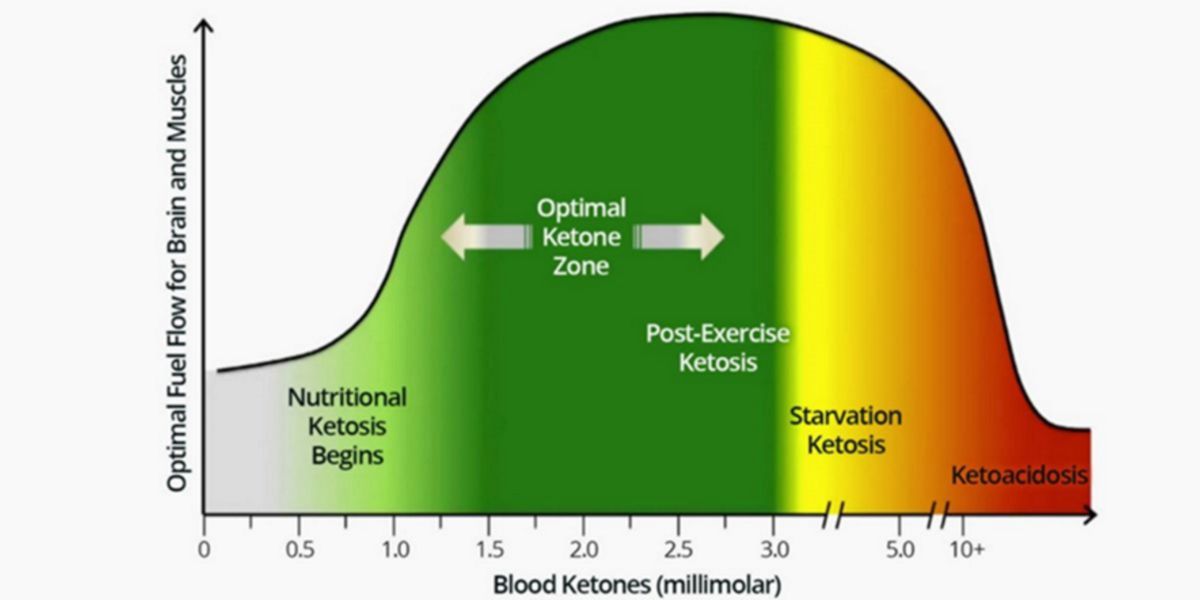
Graphic representation of blood ketone concentrations and metabolic state, as well as their energy potential.
What is the role of exogenous ketones?
The exogenous administration of ketones has been proposed as a potentially useful strategy to increase energy availability in keto diets, even as an alternative mechanism for providing high amounts of energy nutrients in people who do not follow a keto diet.

Ketone concentrations under different conditions. In red, the range normally achieved through supplementation with ketone salts.
The consumption of ketone salts can make it possible to reach concentrations of 1-5mmol/L of blood depending on the amount consumed, whether or not a ketogenic diet is followed, and genetic factors.
Benefits of Exogenous Ketones
Ketone salts as an energy source
We have already mentioned that the main virtue of ketone bodies, especially BHB, is to provide energy to muscle tissues, especially the heart, kidneys and muscles.
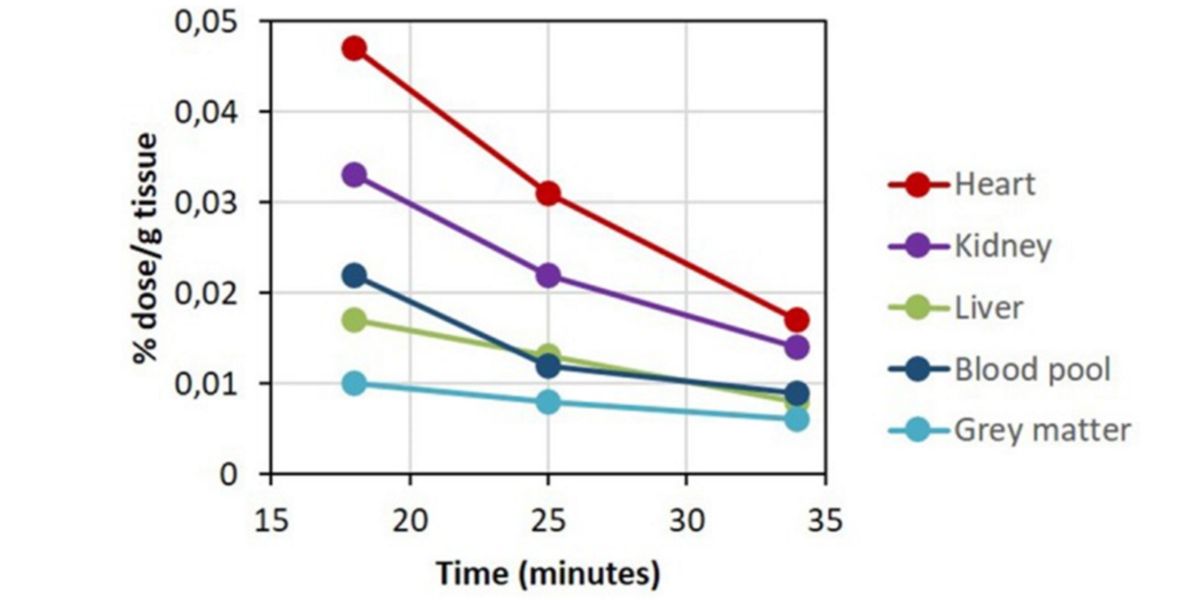
Graph showing the % of the administered dose per gram of tissue in different organic structures.
Muscle tissue (of the musculoskeletal organ) is part of this group of systems capable of using ketones as an energy source, allowing amounts to be obtained that are not limited by the beta-oxidation of fatty acids and perhaps…
Facilitating the famous metabolic flexibility?

Metabolism of BHB (3-OH Butyrate).
Not only do our skeletal muscles (biceps, latissimus dorsi or vastus lateralis) use exogenous ketones, but our heart also uses them.
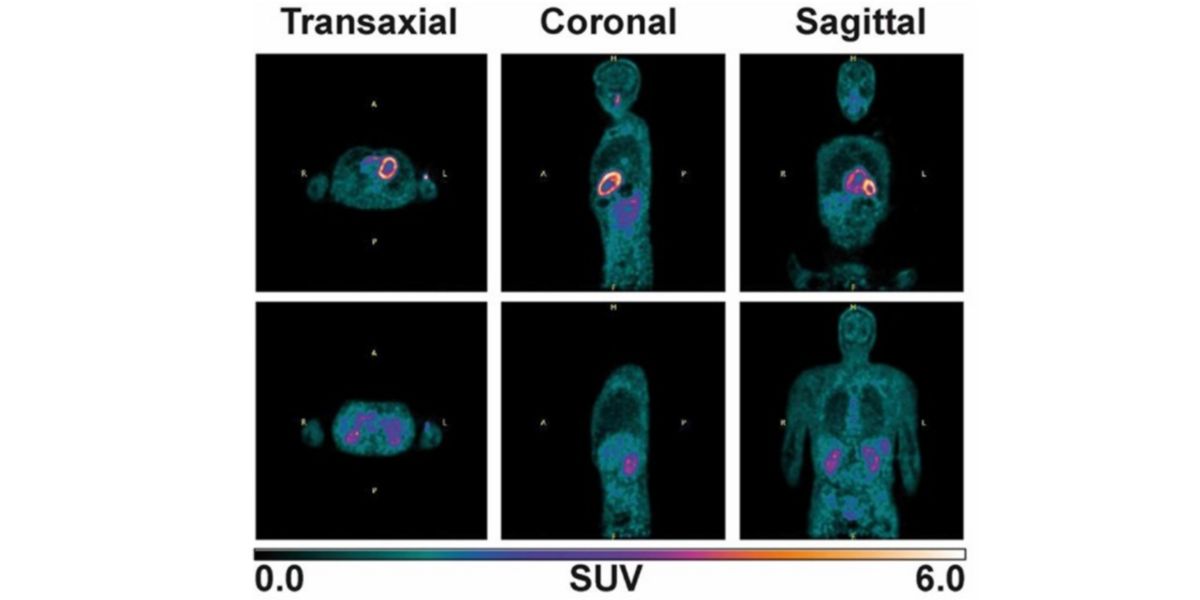
PET/CT with heat scale showing the activity of the tracer used (a ketone body). Notice the greater presence in the heart, which implies high utilisation in this organ.
If I do not follow a Keto Diet, can I use ketone salts?
It is true that, normally, for this energy-related purpose, ketone salts make sense when used by people who follow keto diets.
However, in people following diets for athletes with traditional nutrient distributions (>4g/kg CHOs), ketone salts may be useful by sparing glycogen.
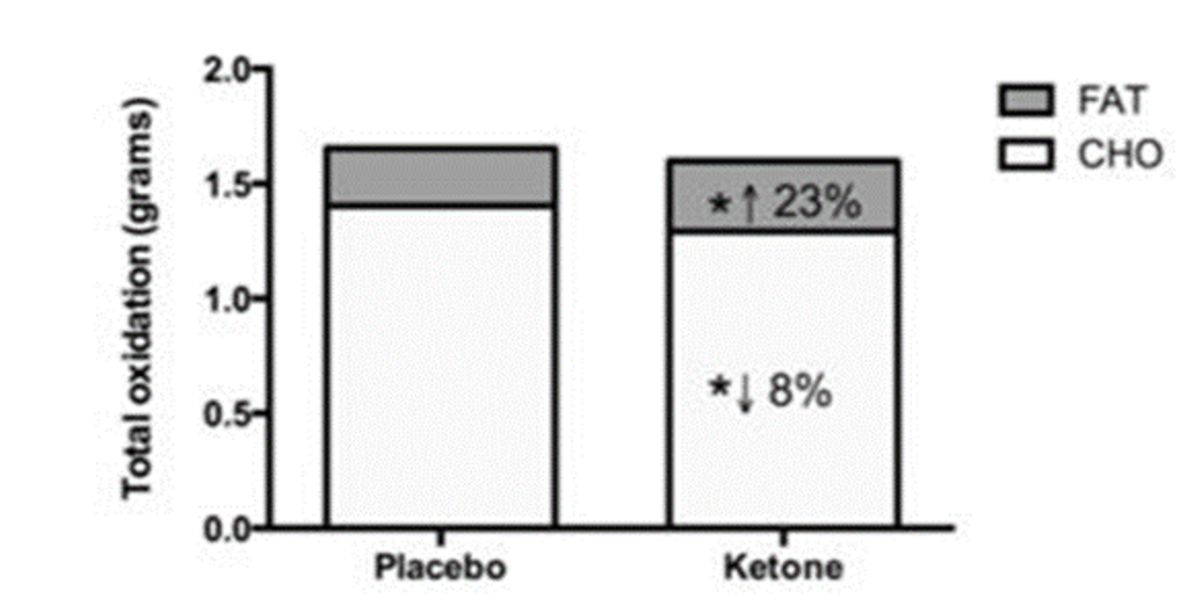
Total oxidation of carbohydrates (CHO) and fats (FAT) in the control group (placebo) vs experimental group (ketone). (O’Malley et al. 2017).
Although the effects of this have not been directly evaluated, it may be presumed that ketone salts can increase athletes’ energy availability, a key aspect in ultra-endurance, for example.

Recovery and adaptations
The ketogenic diet is famous for its influence on the AMPK protein and its effect on autophagy.
The presence of sufficient amounts of BHB in the blood, achieved by following a keto diet or consuming ketone salts, has potential for the epigenetic regulation of genes such as NLRP3, linked to the inflammatory activity of the inflammasome, reducing it and potentially improving post-training recovery.
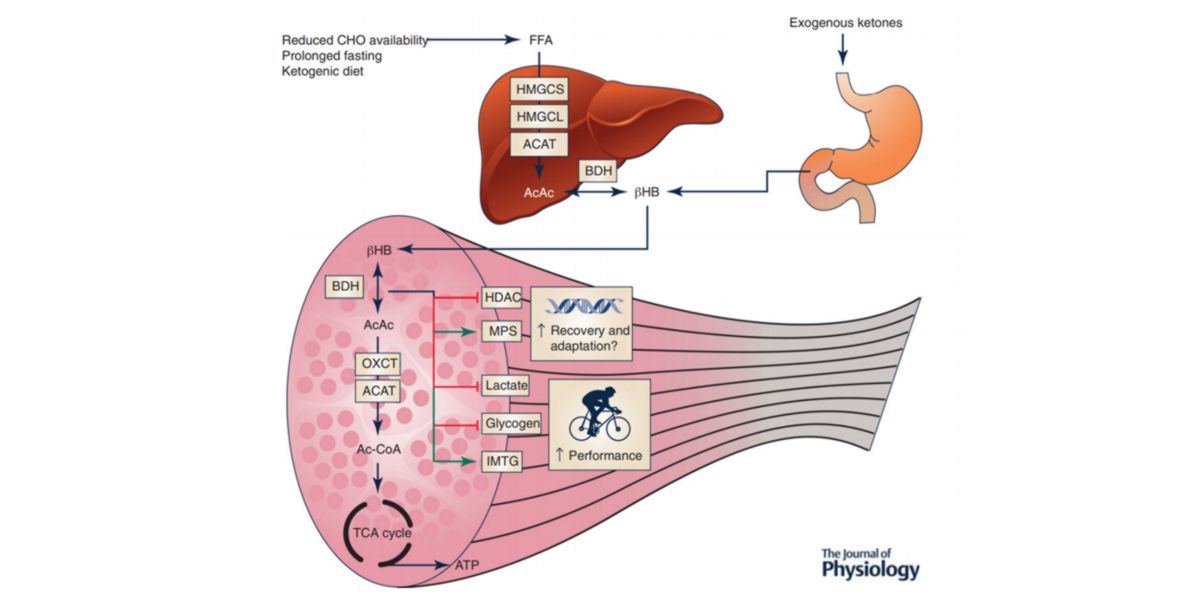
Ketogenesis and metabolic and genomic effects in skeletal muscle.
They can improve insulin sensitivity by increasing the utilisation of intramuscular triglycerides.
They can increase the transcriptomic activity of DNA by reducing the expression of the HDAC enzyme (histone deacetylase), increasing histone acetylation.
The proposed mechanisms are summarised in this image. Not bad when we are talking about a supplement, right?

Proteomic and metabolic effects of BHB.
Exogenous ketones and health improvement
BHB salts emulate the positive effects of the ketogenic diet on health.
At least in part, those of calorie restriction, a strategy that is strongly supported in animal models for its effectiveness in extending life expectancy.
One of the proposed mechanisms is through histone hypermethylation (via HDAC inhibition) and other genomic and non-genomic mediators.
Consequences of histone deacetylase inhibition on genomic methylation (blue), the modulation of different regulatory mechanisms (pink) and functional consequences (yellow).
Could supplementation with BHB salts really have any positive effect on cell survival, protection of the DNA replication process and increased life expectancy?

Proposed biomolecular models for the regulation of life expectancy and the influence of BHB on them.

Metabolic modulations and cellular signalling mechanisms of BHB.
Especially regarding neurological protection, on which several trials have already been carried out with positive results, showing that the presence of ketone bodies in the blood has a positive effect on the regulation of neuronal survival and the neuroendocrinometabolic maintenance of these cells.

Effects of BHB in the body and those derived from activation of the GRP109A receptor (HCAR2).
Its possible effects on neurodegenerative diseases such as dementia, Parkinson’s, Huntington’s disease or Alzheimer’s are currently being investigated.

Potential therapeutic effects of ketone bodies in hypoxic-ischaemic encephalopathy (neurological disorder).
Conclusions
Could we emulate the potential positive health effects of ketogenic diets without following a keto diet, simply by taking a supplement?
Time will tell; for now, everything shines and looks very promising.
Bibliographic References
- Achanta, L. B., & Rae, C. D. (2017). β-Hydroxybutyrate in the Brain: One Molecule, Multiple Mechanisms. Neurochemical Research, 42(1), 35–49.
- Cuenoud, B., Hartweg, M., Godin, J. P., Croteau, E., Maltais, M., Castellano, C. A., … Cunnane, S. C. (2020). Metabolism of Exogenous D-Beta-Hydroxybutyrate, an Energy Substrate Avidly Consumed by the Heart and Kidney. Frontiers in Nutrition, 7, 13.
- Evans, M., Cogan, K. E., & Egan, B. (2017). Metabolism of ketone bodies during exercise and training: physiological basis for exogenous supplementation. Journal of Physiology, 595(9), 2857–2871.
- Gross, E., Putananickal, N., Orsini, A. L., Schmidt, S., Vogt, D. R., Cichon, S., … Fischer, D. (2019). Efficacy and safety of exogenous ketone bodies for preventive treatment of migraine: A study protocol for a single-centred, randomised, placebo-controlled, double-blind crossover trial 11 Medical and Health Sciences 1103 Clinical Sciences. Trials, 20(1), 61.
- Kovács, Z., D’Agostino, D. P., Diamond, D., Kindy, M. S., Rogers, C., & Ari, C. (2019). Therapeutic potential of exogenous ketone supplement induced ketosis in the treatment of psychiatric disorders: Review of current literature. Frontiers in Psychiatry, 10(MAY), 363.
- Newman, J. C., & Verdin, E. (2014). Ketone bodies as signaling metabolites. Trends in Endocrinology and Metabolism, 25(1), 42–52.
- Norwitz, N. G., Hu, M. T., & Clarke, K. (2019). The mechanisms by which the ketone body d-β-hydroxybutyrate may improve the multiple cellular pathologies of parkinson’s disease. Frontiers in Nutrition, 6, 63.
- O’Malley, T., Myette-Cote, E., Durrer, C., & Little, J. P. (2017). Nutritional ketone salts increase fat oxidation but impair high-intensity exercise performance in healthy adult males. Applied Physiology, Nutrition and Metabolism, 42(10), 1031–1035.
- Poff, A., Koutnik, A., Moss, S., Mandala, S., & D’Agostino, D. (2019, June). Exploring the Viability of Exogenous Ketones as Weight Loss Supplements (P21-017-19). Current Developments in Nutrition, Vol. 3.
- Wood, T. R., Stubbs, B. J., & Juul, S. E. (2019). Exogenous Ketone Bodies as Promising Neuroprotective Agents for Developmental Brain Injury. Developmental Neuroscience, 40(5–6), 451–462.
Related Articles
- Fat as fuel at high intensity?
- Ketogenic diet in strength sports
- Metabolic Flexibility: How to adjust your diet and improve performance