Fitness, Nutrition, Health and Sports Blog In the HSNstore Blog you will find tips about Fitness, sport in general, nutrition, and health – HSNstore.com

- Pre-workout supplementation can improve performance and recovery during physical activity, especially when diet or eating time is limited.
- It is important to choose the right type of pre-workout supplement according to training goals: strength and power, energy, muscle growth, or stimulants.
- Creatine is effective for improving muscle strength, carbohydrates are necessary to maintain energy levels during intense exercise, BCAAs can reduce fatigue and improve muscle growth, while protein and caffeine can enhance performance and muscle recovery.
- The proper dosage and timing for taking supplements can vary depending on the type of supplement, the type of exercise, and individual characteristics.
Studies and athletes’ experiences have demonstrated the importance of supplementation in sports nutrition. Pre-workout supplementation is a relatively new concept and refers to taking supplements before starting physical exercise to improve performance and recovery.
How to Choose a Pre-Workout Supplement?
There are various supplements taken before training, each with characteristics that will affect our subsequent performance. If we carefully plan our training and give the same importance to nutrition, we can get the maximum benefit from pre-workout supplementation.
Both athletes and anyone with a training goal can benefit from these supplements:
Supplements for Strength and Power
Creatine
Creatine is one of the most effective supplements due to its ability to amplify strength. ATP is the energy source that enables muscle contraction, but muscles only store enough ATP for a short effort. Creatine helps replenish the depleted ATP and improves strength capacity.
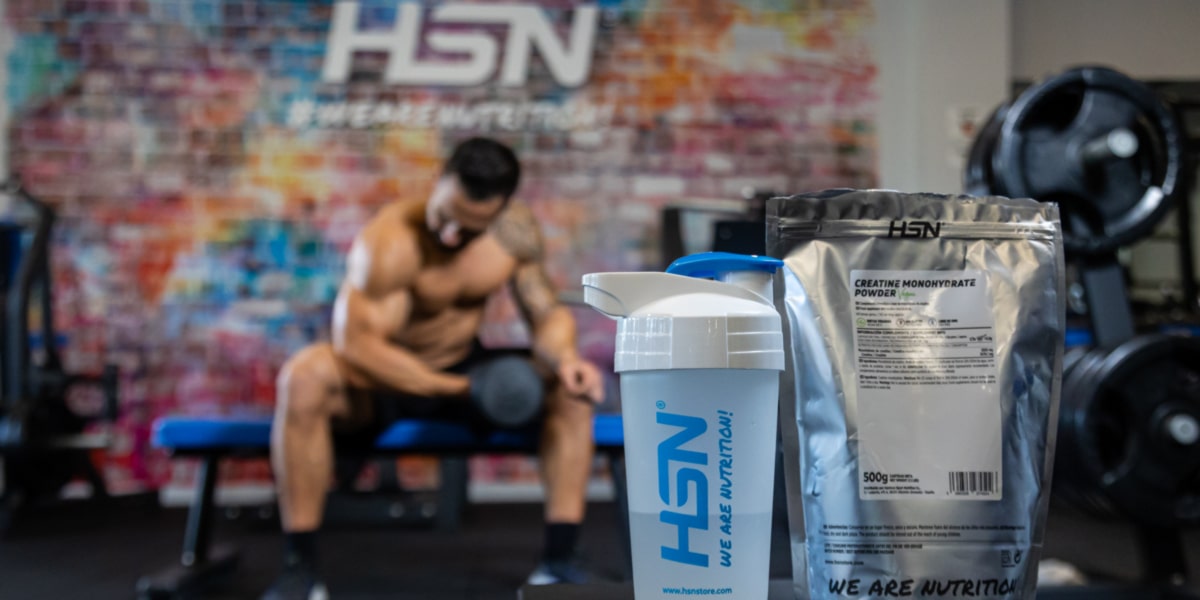
Creatine has a vast amount of studies behind it proving its effectiveness.
Energy Supplements
Carbohydrates
During high-intensity sports activity, the glycolytic substrate is used as an energy source. Athletes need carbohydrates to maintain their energy levels, as the body switches to glycolysis during training, using stored muscle glycogen and blood glucose to replenish ATP reserves.
Carbohydrates are used during glycolysis to restore ATP between each set of exercises.
Supplements for Muscle Growth
BCAA’ss
BCAA’s can reduce fatigue, accelerate recovery, reduce muscle pain and damage, and improve the use of fat as energy.
Protein (Whey Protein)
High-quality protein powder, such as Whey Protein, is known for its high biological value and BCAA content. It digests very quickly, making it rapidly available to the body.
Taking protein right before training can increase muscle tissue protection during exercise and enhance protein synthesis post-workout.
Stimulant Supplements
Caffeine
Caffeine is a stimulant that acts on the nervous system and accelerates metabolism, making it one of the most effective supplements for improving sports performance.
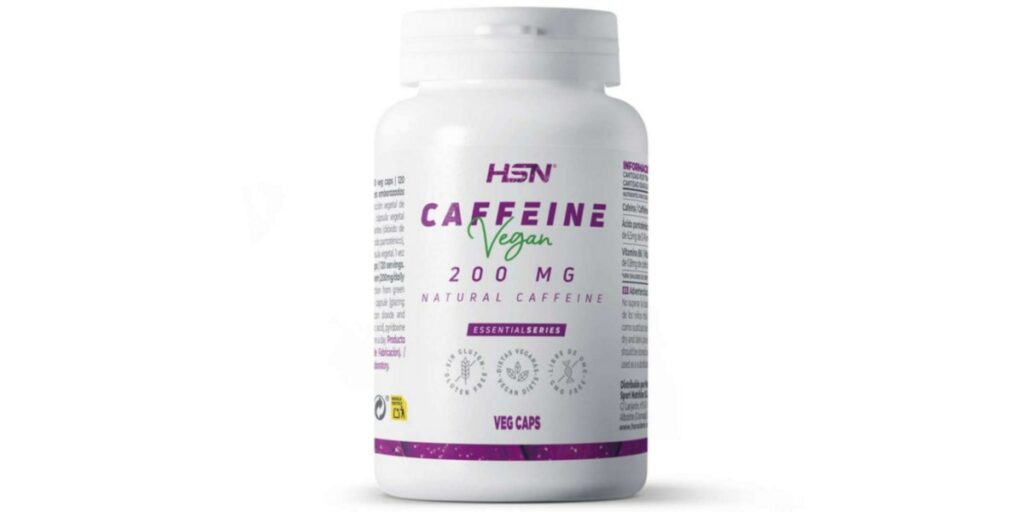
The effects of caffeine include: mental focus, improved joint coordination and movement fluidity, thermogenic effect, delayed fatigue, mental clarity, and alertness.
Guarana
Guarana is another source of caffeine that offers the same cognitive and energy benefits, but it is released slowly into the bloodstream, providing more sustained energy.
It also induces lipolysis and releases fat into the bloodstream to provide energy during exercise.
Concentration Supplements
Tyrosine
Tyrosine is an amino acid that acts as a precursor of neurotransmitters such as norepinephrine and dopamine, which can increase concentration in times of stress, aid in fat burning, and mitigate the effects of overtraining.
ALCAR
Acetyl L-Carnitine is a substance that reaches the brain’s circulation and offers cognitive benefits, such as improving mood and memory. It is also an antioxidant and neuroprotector during periods of stress.

Its main use in training is to improve mental clarity and focus.
DMAE
DMAE is a nootropic that acts as a precursor to the neurotransmitter acetylcholine, responsible for memory, learning, and attention. Its effects include increased attention, a sense of well-being, and reduced irritability. It is used to maintain focus and enhance the mind-muscle connection during training.
Endurance Supplements
Beta-Alanine
Beta-alanine is an amino acid that increases carnosine levels in muscle tissue, helping to combat exercise-induced fatigue. It is recommended for intense activities lasting at least 40 seconds.
It may cause a tingling sensation, called paresthesia, but this disappears after a few days of use.
Citrulline Malate
Citrulline malate is an amino acid that optimises blood flow, is a precursor of nitric oxide, and can reduce the feeling of fatigue by increasing ATP production. It also helps reduce blood acidity and endotoxins produced during training, delaying fatigue.
Taurine
Taurine is an amino acid found in the body and is involved in various physiological processes, including muscle contraction, regulation of water balance, structural support of the cell membrane, and antioxidant action. In sports, taurine modulates the contractile function of muscle tissue.
Why Take Pre-Workout Supplements?
- Improve performance.
- Increase strength and endurance.
- Reduce muscle catabolism during training.
- Boost protein synthesis.
- Provide an energy boost and improve concentration.
- Enhance nutrient release, absorption, and assimilation.
- Increase metabolic rate and create a hormonal environment for anabolism.
Pre-workout supplementation can benefit any athlete or sportsperson looking to maximise their performance in physical activities.
When to Take Pre-Workout Supplements?
Pre-workout should be taken before starting physical exercise, usually around 30 minutes prior, but also depends on when a previous meal was consumed (in this case, at least 3 hours before).
Pre-workout supplements on an empty stomach: If training on an empty stomach, the choice of supplements will depend on the goal. There are two options:
- Performance: If the training performed immediately upon waking up is high-intensity, such as weight training, CrossFit, or HIIT, prioritising performance is key. In this case, a pre-workout supplement can be combined with carbohydrates (such as cyclodextrins).
- Fat loss: If the goal is to promote the use of fatty acids, the training should focus on this, and medium-intensity aerobic exercises are the most suitable. For this purpose, a pre-workout supplement that promotes the mobilisation of fatty acids and their subsequent energy use should be introduced.
Cycling Pre-Workout Supplements
In general, caffeine may be recommended to cycle due to its potential for high tolerance.
However, if you maintain a training frequency of 3 to 5 sessions per week, and take the pre-workout, there would be no need to pause its intake.
Frequently Asked Questions About Pre-Workout Supplements
Do I need to take my pre-workout product with food?
Most supplements for this purpose should be taken on an empty stomach to maximise their effects. For example, if the product contains caffeine and you are very sensitive to it, having a small snack might reduce this effect.
Can I combine products?
It is not recommended since many products already contain high levels of stimulants, and combining them would further increase these levels, which could be dangerous, especially for those who are not used to or are very sensitive to stimulants.
If my goal is to lose fat, are these products recommended?
Yes, in fact, many of the ingredients emphasise the increase in metabolism, leading to greater fat burning.
Should I take these supplements on rest days?
No, as their purpose is to enhance performance during training, as explained in the information provided, to improve the subsequent workout following the product intake.
If I train in the late evening, should I take the pre-workout?
This is subjective and related to individual sensitivity to stimulants and subsequent sleep quality. Some people take stimulants, train, and then have no problem sleeping. It’s best to experiment; the worst that could happen is you don’t sleep immediately or as usual. In any case, training very late activates the sympathetic system, which will keep you active in bed…
Should I take my post-workout protein shake even if I took it pre-workout?
Yes. However, it is always an option, depending on your nutritional plan, to include it or not. Sports nutrition starts before your workout and extends during and after it.
Sources
- Tipton KD, Elliott TA, Cree MG, Aarsland AA, Sanford AP, Wolfe RR. Stimulation of net muscle protein synthesis by whey protein ingestion before and after exercise. Am J Physiol Endocrinol Metab. 2007 Jan;292(1):E71-6. Epub 2006 Aug 8.
- Song-Gyu Ra, Teruo Miyazaki, Keisuke Ishikura, Hisashi Nagayama, Shoichi Komine, Yoshio Nakata, Seiji Maeda, Yasushi Matsuzaki, and Hajime Ohmoricorresponding. Combined effect of branched-chain amino acids and taurine supplementation on delayed onset muscle soreness and muscle damage in high-intensity eccentric exercise. J Int Soc Sports Nutr. 2013; 10: 51.
- Glyn Howatson,corresponding, Michael Hoad, Stuart Goodall, Jamie Tallent, Phillip G Bell, and Duncan N. Exercise-induced muscle damage is reduced in resistance-trained males by branched chain amino acids: a randomized, double-blind, placebo controlled study. J Int Soc Sports Nutr. 2012; 9: 20.
- R. M. Hobson, B. Saunders, G. Ball, R. C. Harris, and C. Salecorresponding. Effects of β-alanine supplementation on exercise performance: a meta-analysis. Amino Acids. 2012 Jul; 43(1): 25–37.
- Dong-Hee Kim, Seok-Hwan Kim, Woo-Seok Jeong, and Ha-Yan Lee. Effect of BCAA intake during endurance exercises on fatigue substances, muscle damage substances, and energy metabolism substances. J Exerc Nutrition Biochem. 2013 Dec; 17(4): 169–180.
- Campbell C, Prince D, Braun M, Applegate E, Casazza GA. Carbohydrate-supplement form and exercise performance. Int J Sport Nutr Exerc Metab. 2008 Apr;18(2):179-90.
- Kraemer WJ, Volek JS, French DN, Rubin MR, Sharman MJ, Gómez AL, Ratamess NA, Newton RU, Jemiolo B, Craig BW, Häkkinen K. The effects of L-carnitine L-tartrate supplementation on hormonal responses to resistance exercise and recovery. J Strength Cond Res. 2003 Aug;17(3):455-62.
- Duncan MJ, Smith M, Cook K, James RS. The acute effect of a caffeine-containing energy drink on mood state, readiness to invest effort, and resistance exercise to failure. J Strength Cond Res. 2012 Oct;26(10):2858-65.
- Pérez-Guisado J, Jakeman PM. Citrulline malate enhances athletic anaerobic performance and relieves muscle soreness. J Strength Cond Res. 2010 May;24(5):1215-22. doi: 10.1519/JSC.0b013e3181cb28e0.
- Pieralisi G, Ripari P, Vecchiet L. Effects of a standardized ginseng extract combined with dimethylaminoethanol bitartrate, vitamins, minerals, and trace elements on physical performance during exercise. Clin Ther. 1991 May-Jun;13(3):373-82.
- Dimpfel W, Wedekind W, Keplinger I. Efficacy of dimethylaminoethanol (DMAE) containing vitamin-mineral drug combination on EEG patterns in the presence of different emotional states. Eur J Med Res. 2003 May 30;8(5):183-91.
- Vogel, R. M., Joy, J. M., Falcone, P. H., Mosman, M. M., Kim, M. P., & Moon, J. R. (2015). Safety of a dose-escalated pre-workout supplement in recreationally active females. Journal of the International Society of Sports Nutrition, 12(1), 1-6.
Related Articles
- Citrulline Malate: What It Is, Properties, Benefits, Dosage, How It Improves Physical Performance
- Green Tea - Everything You Need to Know About This Antioxidant
- What is HMB and What Are Its Benefits?
- All About BCAAs
- Effects of BCAAs in Long-Duration Sports
- Is it Better to Take Creatine or BCAAs?