Fitness, Nutrition, Health and Sports Blog In the HSNstore Blog you will find tips about Fitness, sport in general, nutrition, and health – HSNstore.com

If you’ve heard about these two amino acids but are having trouble deciding which one can bring more benefits to your health and performance, this post is for you. You’ll find all the information you need about these supplements.
In the sports context, each of these supplements has a unique effect and function on the body:
- Glutamine supports recovery and immune health, especially after intense workouts.
- Creatine, on the other hand, boosts energy production and performance in the gym.
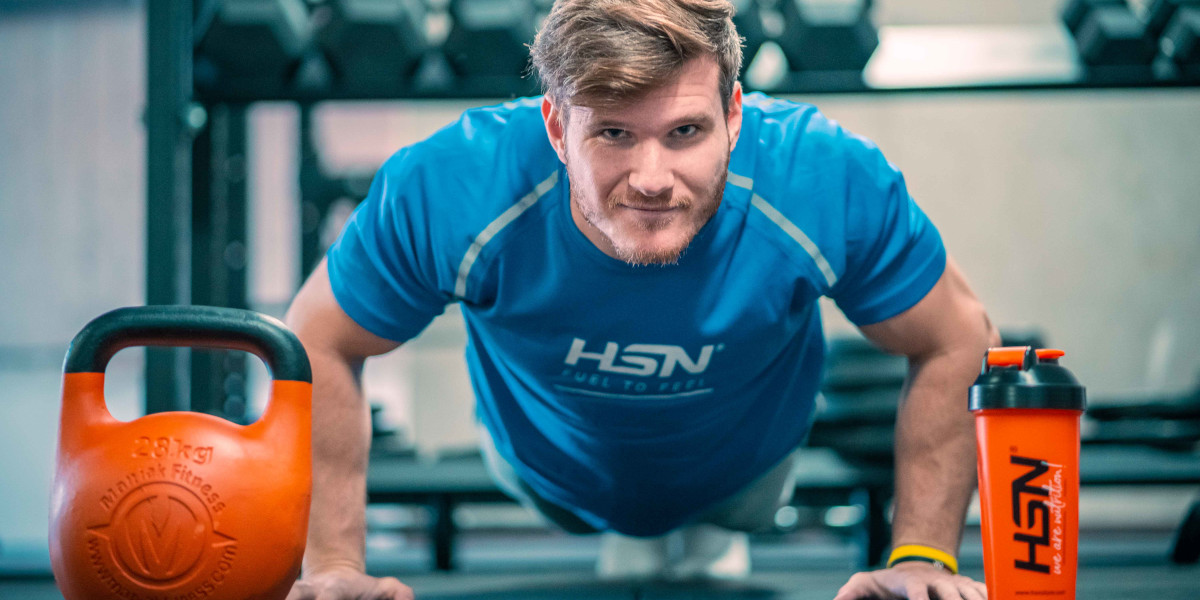
Glutamine vs Creatine: key differences
Key differences that can be found in each article include:
| Creatine | Glutamine | |
| What is it? | It is an organic compound produced naturally in the body and is found in meat and fish. | It is a non-essential amino acid found in the human body and in protein foods. |
| Effects | It saturates ATP stores to raise the energy available for performance enhancement in high-intensity exercise and promotes muscle building and recovery. | It helps get rid of excess ammonia, supports the functioning of the immune system and the maintenance of intestinal health. |
| Common use in sports | It is widely used to improve athletic performance and increase muscle mass. | It is used to improve muscle recovery and prevent muscle breakdown during periods of intense training and reduce physical stress. |
| Possible side effects | It may cause gastrointestinal discomfort at high doses (loading phase in certain individuals). | It may cause gastrointestinal discomfort in high doses, but is considered safe. |
| Interaction with other supplements | None. | None. |
Glutamine Function
Glutamine is a natural amino acid that our body produces and uses to maintain a healthy immune system and support recovery after intense workouts or stressful situations.
It is found in proteins of animal origin, so a balanced diet rich in these foods can keep your glutamine levels in good condition without the need for supplementation.
However, for those who are vegans and do not consume animal protein or have low glutamine levels due to a succession of intense workouts, glutamine supplementation can be an effective solution.
Creatine function
In the sports world, creatine plays an important role. It is one of the organic compounds that is stored in our muscles and is actively involved in the regeneration of ATP, a molecule responsible for supplying the fuel needed for bodily functions.
By keeping creatine stores high, you can improve your performance as your body will be able to produce a greater amount of energy compared to when creatine stores are low.
This condition is particularly useful in the gym, allowing athletes to perform a greater number of repetitions during their exercise routines.
Which one is best according to your objectives?
The choice between the two supplements depends on the type of training and goals you have set for yourself:
| Objective | Supplement |
| Post-training recovery | Creatine and Glutamine |
| Sports performance | Creatine |
| Increase muscle mass | Creatine |
| Reduce physical stress | Glutamine |
According the type of sport
- Glutamine is ideal for intensive training in endurance sports such as marathons, cycling or triathlons, or strength sports such as weightlifting and powerlifting.
- Creatine is best suited for strength or power sports with repetitive loads and short periods of time such as sprinting, weightlifting and swimming.
If we had to choose between creatine and glutamine, at HSN we would opt for creatine due to its proven effects on sports performance. Nevertheless, we cannot rule out glutamine as it provides other benefits in muscle recovery or digestive health, which are also important to support sports performance.
Is it advisable to combine them?
There is a certain fear among endurance athletes when it comes to combining creatine and glutamine, due to the fear of experiencing excessive muscle development. However, this combination can be extremely beneficial in improving performance.
It is important to keep in mind that no nutritional supplement will lead to muscle hypertrophy without the support of proper diet and training. Therefore, runners, athletes, cyclists and other sportspeople can take advantage of these supplements without experiencing unwanted muscle growth.
Bibliographic sources
- Buford, T. W., Kreider, R. B., Stout, J. R., Greenwood, M., Campbell, B., Spano, M., … & Antonio, J. (2007). International Society of Sports Nutrition position stand: creatine supplementation and exercise. Journal of the International Society of Sports Nutrition, 4(1), 6. https://jissn.biomedcentral.com/articles/10.1186/1550-2783-4-6
- Gleeson, M. (2008). Dosing and efficacy of glutamine supplementation in human exercise and sport training. The Journal of nutrition, 138(10), 2045S-2049S. https://academic.oup.com/jn/article/138/10/2045S/4670126
- Rawson, E. S., & Volek, J. S. (2003). Effects of creatine supplementation and resistance training on muscle strength and weightlifting performance. The Journal of Strength & Conditioning Research, 17(4), 822-831. https://journals.lww.com/nsca-jscr/Abstract/2003/11000/Effects_of_Creatine_Supplementation_and.40.aspx
- Lacey, J. M., & Wilmore, D. W. (1990). Is glutamine a conditionally essential amino acid? Nutrition reviews, 48(8), 297-309. https://academic.oup.com/nutritionreviews/article-abstract/48/8/297/1834294
We also advise you to read the following related articles.
- Creatine ethyl-ester as another type of creatine on the market.
- Learn more about the properties of Glutamine.
- Post-workout shake? Read why you should take it in this article.
- Find out all you need to know about pre-workout sports supplements.