 Fitness, Nutrition, Health and Sports Blog In the HSNstore Blog you will find tips about Fitness, sport in general, nutrition, and health – HSNstore.com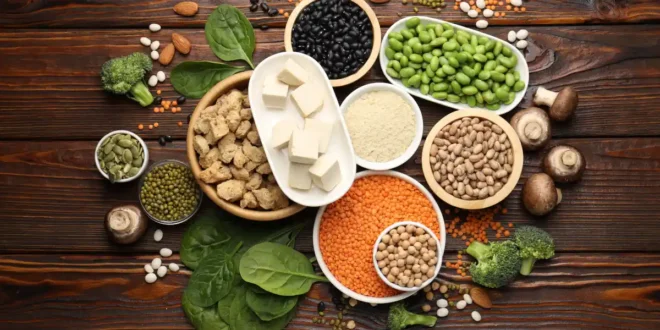

Plant-based proteins are a natural and healthy alternative to animal proteins. The right selection can cover all our needs even in high-demand profiles, as in the case of athletes.
These are the foods richest in plant-based proteins:
| Food | Protein/100g |
| Soy | 36g |
| Tofu | 8g |
| Quinoa | 14g |
| Seitan | 25g |
| Legumes | 20-25g |
| Rice | 2.5-3g |
| Amaranth | 13-14g |
| Spirulina algae | 57-70g |
| Chia seeds | 17g |
| Maca | 14g |
| Peas | 5-6g |
| Nuts | 15-25g |
| Hemp | 31-33g |
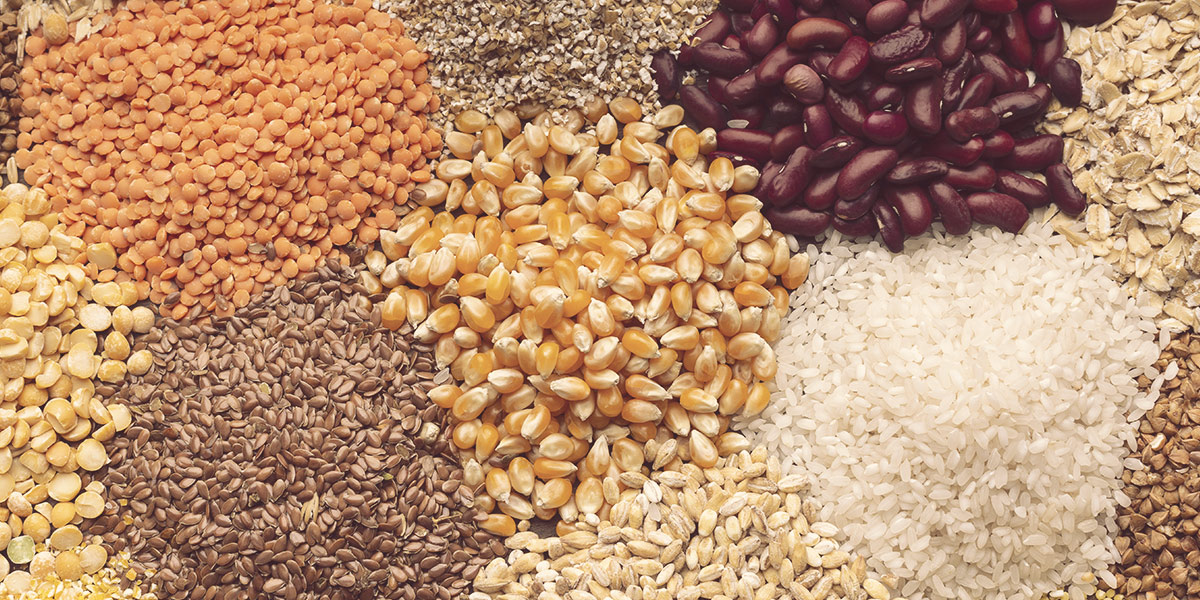
Plant-based proteins play a decisive role in this.
Here are 12 of the top plant-based proteins available, some of which are all the rage and there’s no recipe they won’t fit into. Renew or die, remember?
1. Soy and tofu
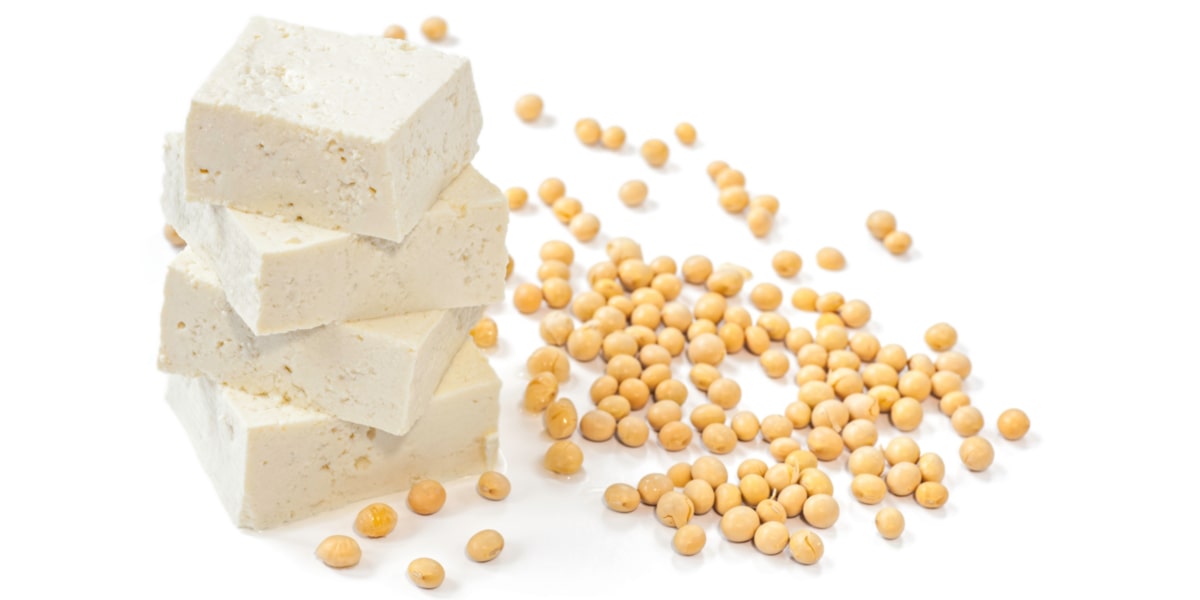
Soy is one of the richest sources of plant-based protein, containing 37 g of protein per 100 g and low in saturated fat. Tofu, tofu burgers and tempeh are excellent protein-rich soy food alternatives and contain high amounts of iron and calcium.
2. Quinoa

A superfood par excellence, quinoa is credited with being one of the most protein-rich plant foods. In just one cup of cooked quinoa you will find 18 grams of plant-based protein.
A super cereal that also contains vitamins, carbohydrates, minerals and a generous amount of amino acids. Its benefits include lowering cholesterol levels and reducing the risk of diabetes. Quinoa is also used in diets for weight control or weight reduction and helps to control blood pressure.
3. Seitan
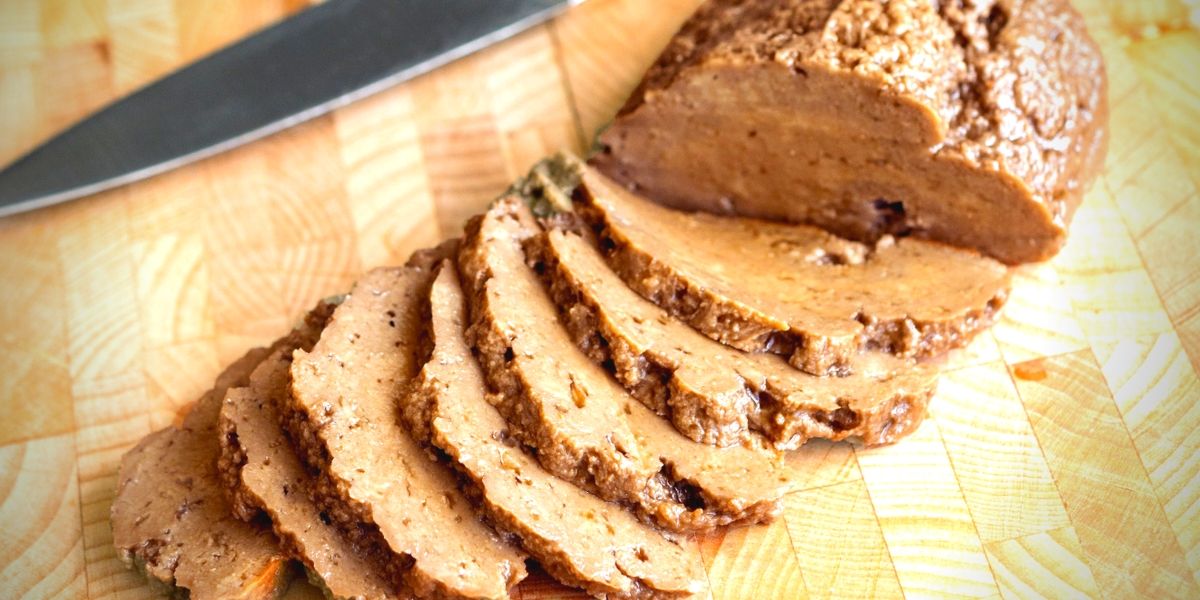
This so-called “vegan meat” is made from wheat gluten. Apart from containing a protein content similar to that of meat, which amounts to 20 g per 100 g of seitan, it is cholesterol-free and very versatile when cooked.
4. Legumes
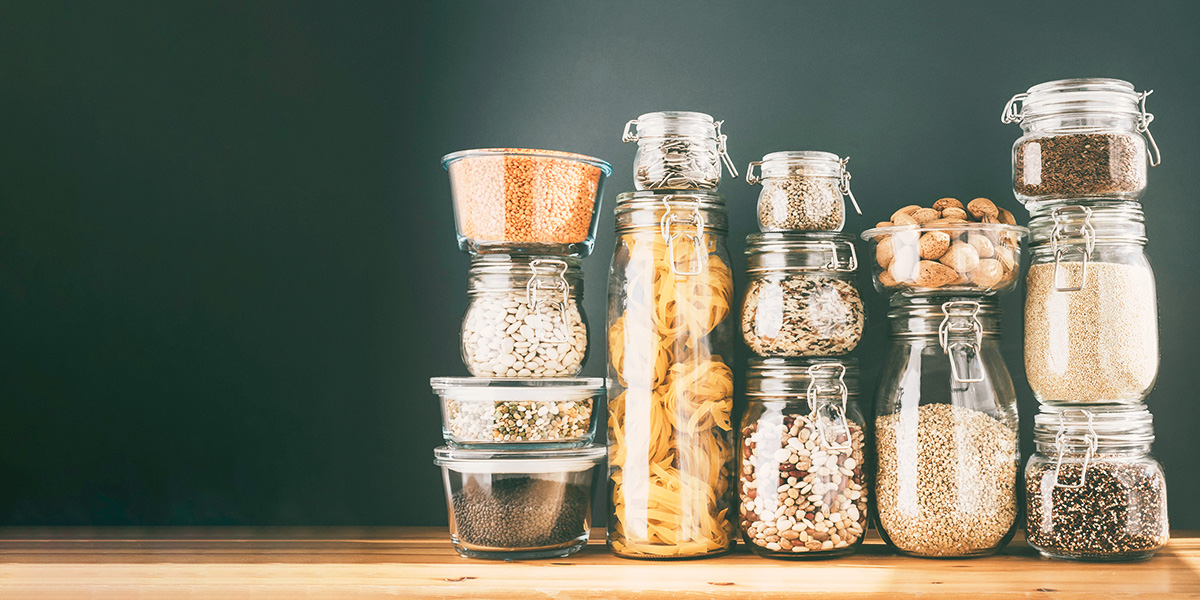
Legumes are the cornerstone of the Mediterranean diet, particularly lentils, chickpeas, beans and soy, which are one of the plant-based foods with the highest protein content. Combine them with a cereal and get the most out of a protein of comparable quality to meat.
5. Rice
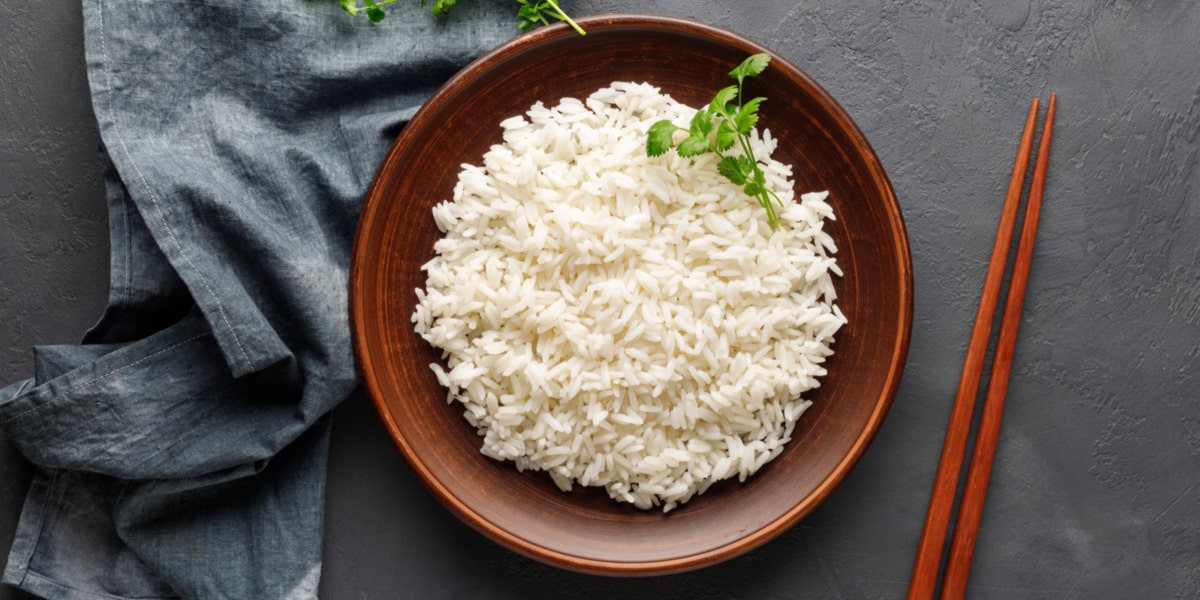
A basic and universal food that owes its main benefits to the fact that it does not contain cholesterol or sodium. A very complex carbohydrate, it is easily digested and provides high-quality protein. Did you know that brown or wild rice contains around 40% more protein than white rice?
6. Amaranth
Behind its exotic name hides one of the most nutritious plants in the world. A pseudocereal that is considered a food rich in protein but also rich in lysine, which is an advantage, since this amino acid is absent in most cereals. In addition to its nutritional value, it is high in vitamins, healthy fats, fibre and magnesium.
7. Spirulina algae

The next superfood we are going to tell you about is used as a food supplement, especially in fitness diets. It is also a reliable source of nutrients such as vitamins, minerals and essential fatty acids, with the added bonus of containing proteins that are more digestible than those of animal origin.
8. Chia seeds
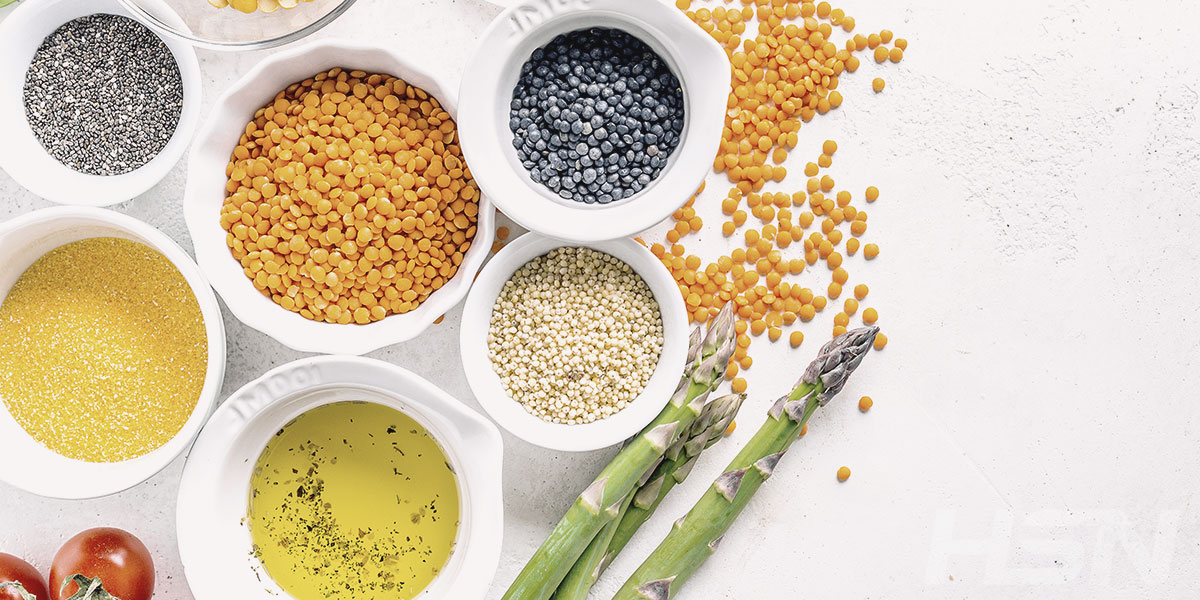
It is common knowledge that chia seeds are also one of the best-regarded superfoods, which is not surprising when you consider the significant amount of fibre, vitamins, antioxidants and essential fatty acids they provide.
Their 23% protein content means they help to regenerate muscles and tissues.
9. Maca
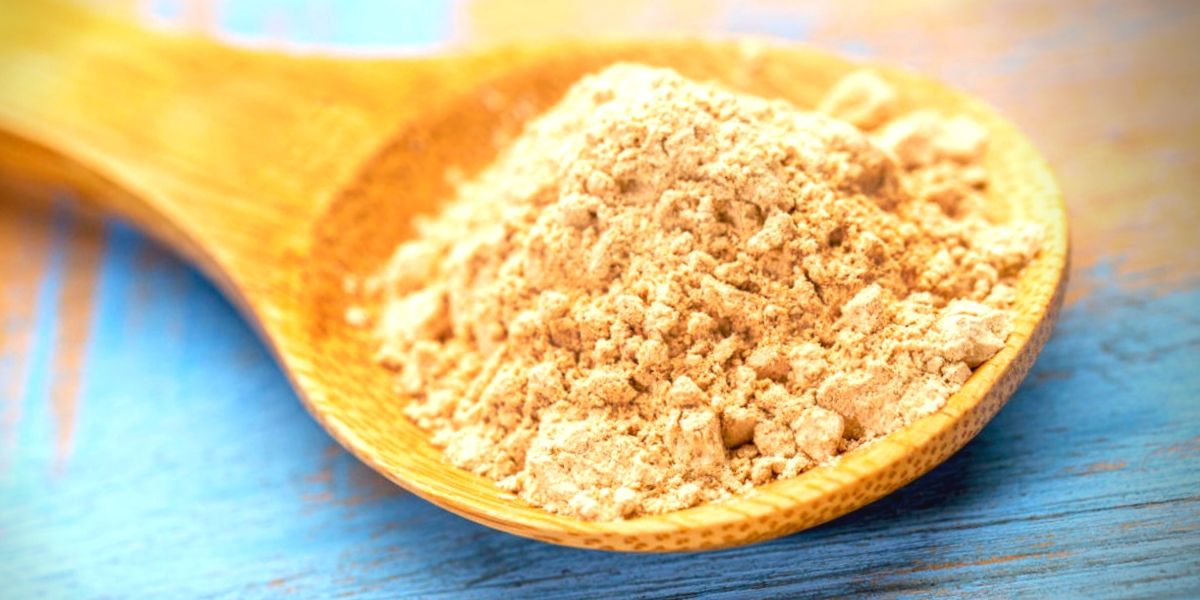
Maca root is a mutlivitamin that contains approximately 11% protein. As if this were not enough, it contains minerals in its natural state and is an energising plant if ever there was one.
10. Peas
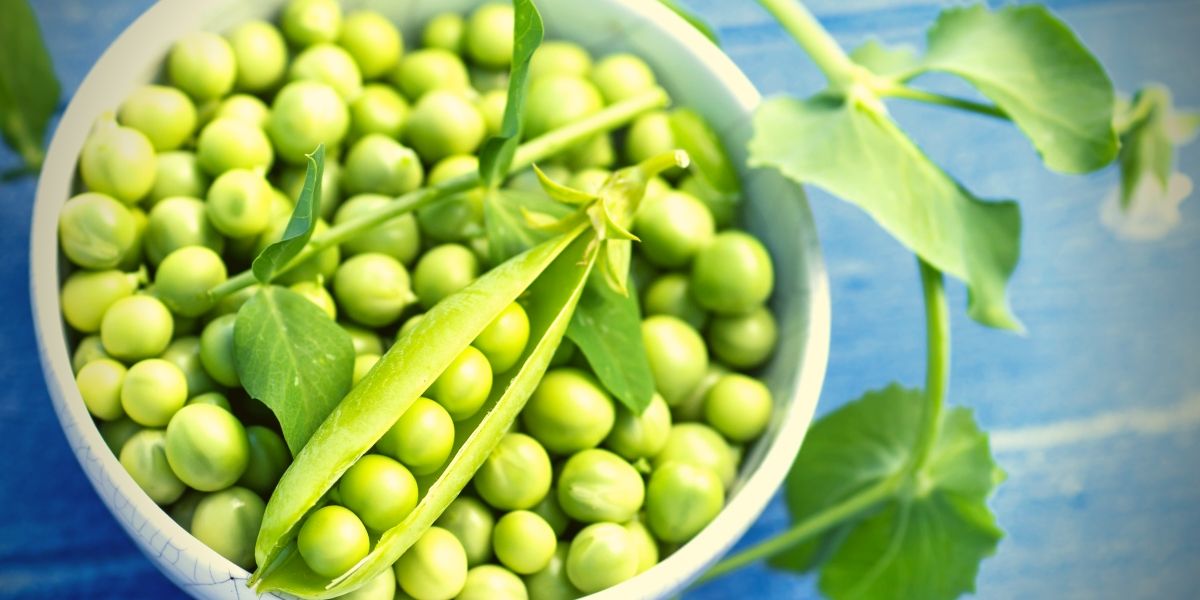
This essential part of the Mediterranean diet, despite being part of the legume family, could be included in this classification as a separate food.
Impressive source of outstanding nutrients in plant-based protein, vitamins, fibre and minerals, not a speck of fat and only a few calories.
11. Nuts
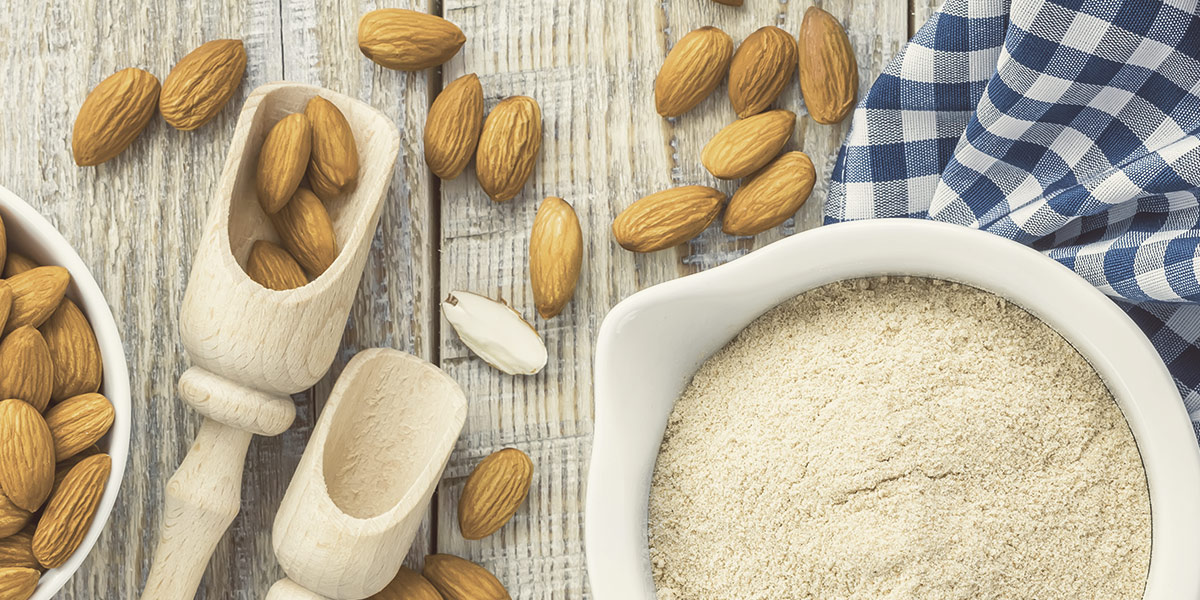
Nuts are much more than just a delicious snack. You may be surprised to learn that a handful a day is capable of making a huge nutritional contribution to your body and, therefore, to your health. Almonds offer approximately 20 g of vegetable protein per 100 g, followed closely by the 14 g of walnuts or the 12 g of hazelnuts.
Another of their strong points is their high fat content. Try combining them with pulses, whole grains and vegetables. You’ll love the result and it will be healthy! Don’t leave out other nuts that are less popular but also very high in protein, such as pumpkin seeds, Macadamia nuts or Brazil nuts.
12. Hemp
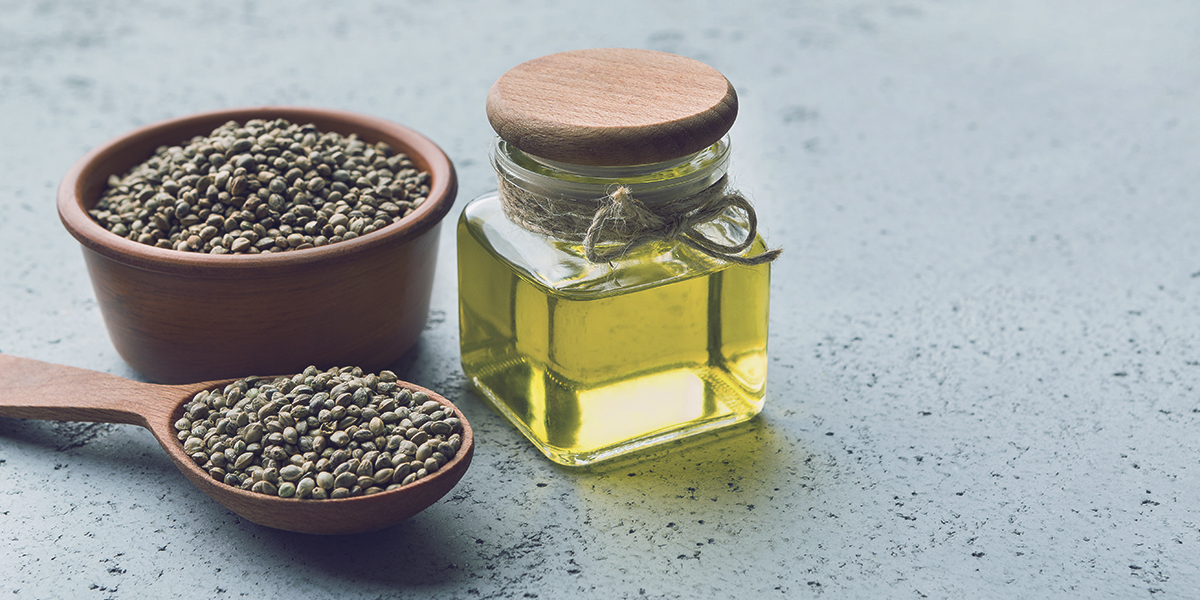
Hemp protein shakes are gaining popularity among sports and nutrition enthusiasts. It is a perfect plant protein for vegan and vegetarian diets, and although it is not a complete protein and does not contain the right proportion of essential amino acids, it is the closest to a complete source of plant-based protein compared to other seeds except soy.
Learn about its incredible benefits
Plant-based proteins are on your side and offer you a number of benefits that you should opt for.
Here are the main ones!
- They provide amino acids for muscle regeneration and growth.
- They are cholesterol-free, as cholesterol is only found in foods of animal origin.
- They are lactose-free, as it is a milk carbohydrate that cannot be on the “label” of plant foods.
- They are easy to digest, so you can forget about possible stomach upsets.
Combine them!
Although some plant foods alone cannot replace animal foods in terms of protein, combining them can match or even surpass them because of the additional benefits they offer:
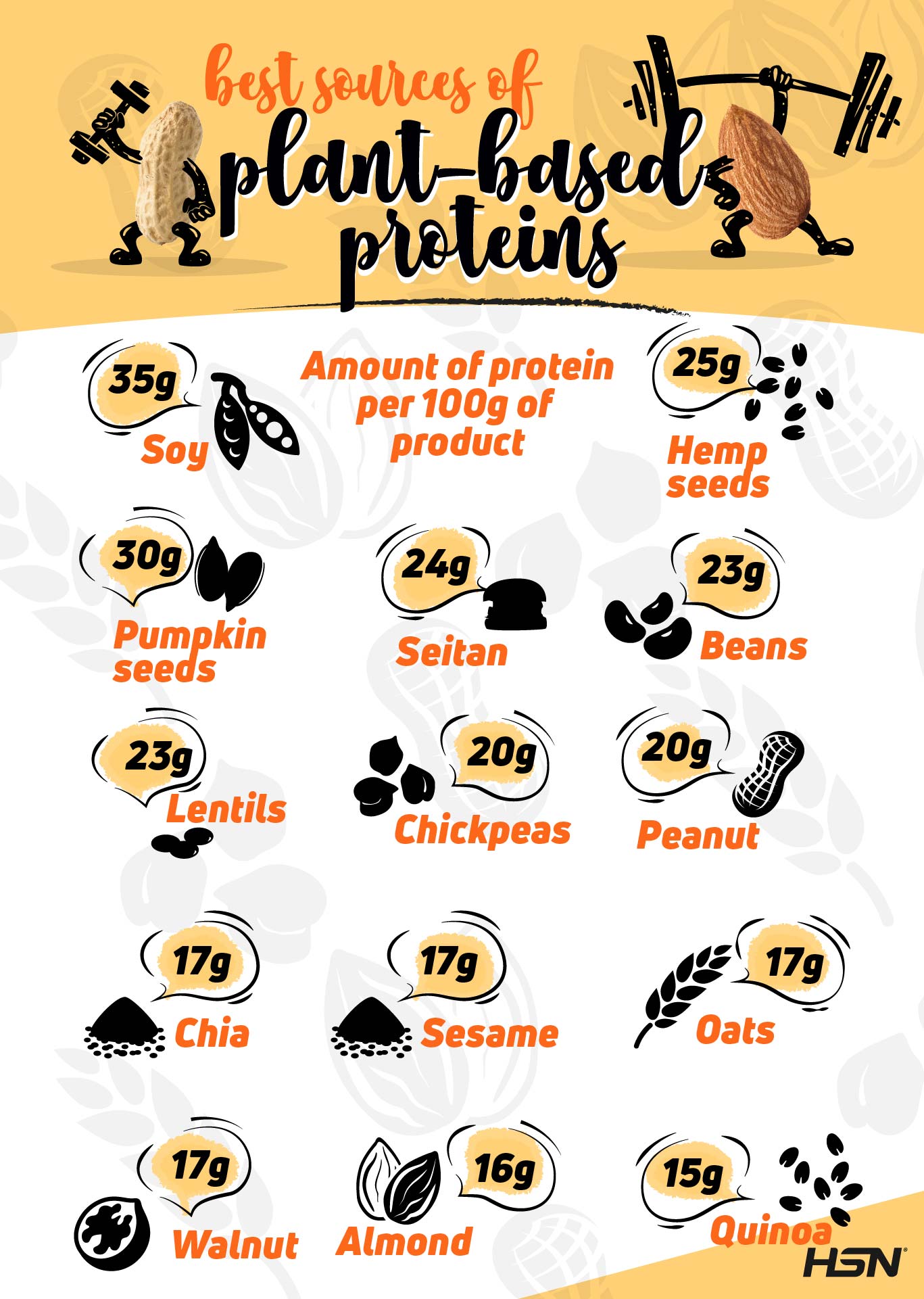
Why opt for plant-based protein sources?
Plant-based proteins are on your side and offer you a number of benefits that you should opt for.
- They provide amino acids for muscle regeneration and growth.
- They are cholesterol-free, as cholesterol is only found in foods of animal origin.
- They are lactose-free, as it is a milk carbohydrate that cannot be on the “label” of plant foods.
- They are easy to digest, so you can forget about possible stomach upsets.
HSNstore vegan protein catalogue
Relationship between athletes and plant-based proteins
Athletes are showing increasing interest in vegan or vegetarian diets, without seeing a negative impact on their performance. Because of their rigorous workouts, they need more protein to repair muscle tissue.
Although some plant proteins may be lacking in certain amino acids, by combining various sources, you can get all the necessary amino acids.
Related Entries
- How to gain muscle on a vegan diet?
- How to combine plant-based proteins?