 Fitness, Nutrition, Health and Sports Blog In the HSNstore Blog you will find tips about Fitness, sport in general, nutrition, and health – HSNstore.com
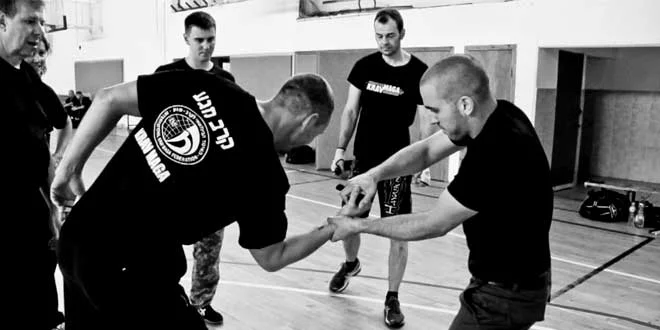

If you’re into martial arts and self-defense disciplines, you’ll love this article. Sure, avoiding confrontations and fights should always come first, but sometimes you gotta use certain skills to neutralize a threat against you or your loved ones. Krav Maga was born as a protection system against racist repression targeting Jews in the first third of the 20th century.
What is Krav Maga?
It’s a self-protection or personal defense system with a clear premise: the best defense is a good offense. It’s not a martial art per se, but it draws from various defense styles. Today, the Israeli Army and Armed Forces stand as the top representatives of Krav Maga, adopting it as their hand-to-hand combat system.
Origin of Krav Maga
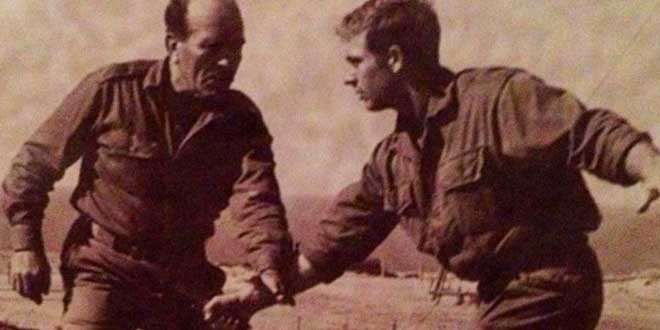
Imi Lichtenfeld, a highly recognized boxer born in 1910 in Hungary and raised in a Jewish family in Bratislava, is known as the founder of Krav Maga in the mid-1930s. Facing Nazi threats against the Jewish population, Lichtenfeld came up with a self-defense system to protect himself and his people.
Fighting Style
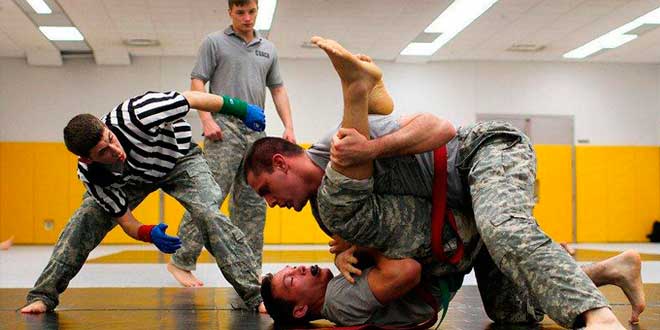
Krav Maga has been influenced by several fighting styles, martial arts, and other self-defense systems. So, it’s no surprise to find elements, skills, and moves derived from: Boxing, Savate (French kickboxing), Muay Thai, Wing Chun, Judo, Jiu-Jitsu, Wrestling or Lucha Libre, and Grappling.
Difference Between Krav Maga and Other Martial Arts
The main difference is that Krav Maga uses proven techniques for real-life scenarios. Every move or skill has been tested in all kinds of environments, from war zones to the streets, proving its effectiveness.
Principles of Krav Maga
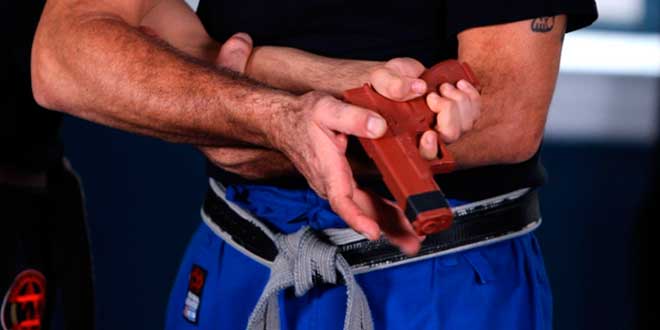
This fighting system has a strong protective character, never promoting or encouraging violence or aggression. Its values and principles teach smart, socially appropriate methods to avoid or respond to danger, always within the limits set by law.
Krav Maga Training
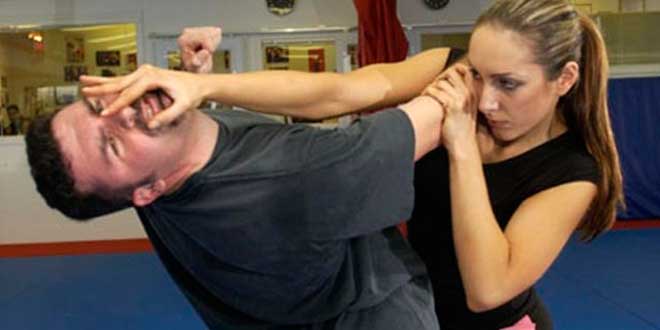
The goal of training is to teach techniques and skills that are totally doable for real-world use. You could say the aim is to “survive and escape,” so there’s a big focus on simple, natural moves that are quick to learn and test under stress. Strength itself isn’t the goal, but rather speed and reflexes.
What Exercises Are Done?
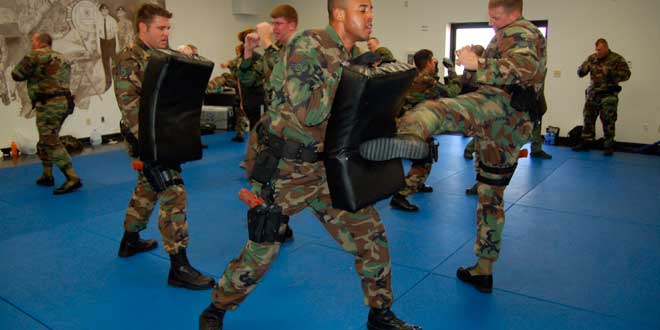
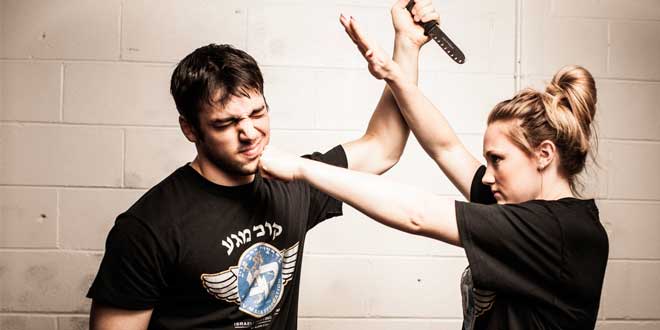
Krav Maga treats the body itself as a weapon. A training session can include: initial warm-up (cardiovascular activation), calisthenics (using your own body weight), and skills or defense techniques to stop an attacker: punches, kicks, joint defenses (elbow-knee), headbutts, escape maneuvers, choke defenses, against knives or firearms…
How Long Does a Krav Maga Training Last?
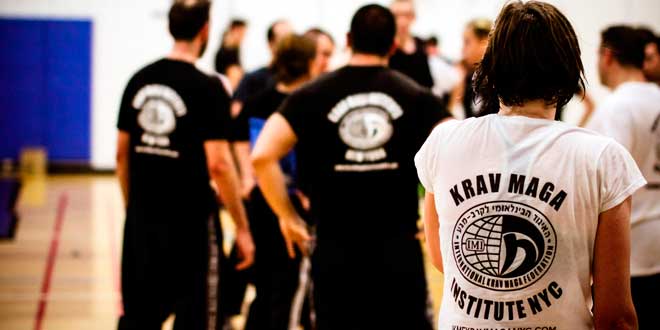
It can range from an hour to an hour and a half, depending on the coach’s plan, and it’s high intensity. How often you train depends on your commitment and fitness level, but the best bet is at least 3 sessions per week.
Knowledge Levels
There’s a hierarchy or levels based on experience and knowledge of the person practicing Krav Maga. Progression is shown by belt color: yellow, orange, green, blue, brown, and black. After that, there are dan ranks. Up to green, technical aspects are evaluated; beyond that, it’s about combat skills.
Combining Krav Maga and CrossFit
CrossFit, como metodología de entrenamiento is a general-purpose method aimed at evaluating and boosting physical abilities like motor control, endurance, muscle strength, power, agility, coordination, balance, flexibility, and speed — making it the perfect complement to Krav Maga.
Who Is It For?
Not just for military or special forces, Krav Maga is designed for anyone: teachers, nurses, homemakers, teens, even kids who want to learn how to protect themselves.

Benefits of Practicing Krav Maga
- Learn to defend yourself from real danger
- Ability to handle high-stress situations
- Stay fit and boost skills like agility, coordination, flexibility, endurance, and speed.
Where to Practice Krav Maga?
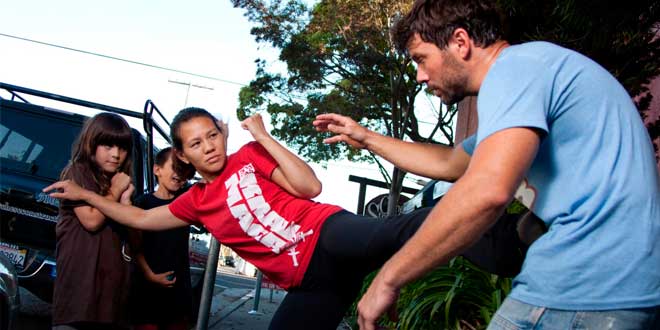
You can practice Krav Maga at any sports center with certified trainers. It’s becoming more common to see gyms offering this discipline due to growing demand.
Starting Krav Maga Training, What Do You Need?
Like any high-intensity activity, a prior evaluation of physical and health conditions is recommended. On the sports side, you can follow the same tips as Cómo comenzar a entrenar CrossFit, focusing on a strong cardiovascular base and bodyweight exercises like push-ups, squats, or pull-ups to get the most out of it from the start.
Krav Maga Knife Attack Video
Krav Maga Gun Defense Video
Krav Maga Finish a Fight in 3 Seconds Video
Sources