 Fitness, Nutrition, Health and Sports Blog In the HSNstore Blog you will find tips about Fitness, sport in general, nutrition, and health – HSNstore.com

Want to know the guidelines to design your own healthy diet?
Among the many choices for following a diet, in this case, we’ve gone with what can be considered the healthy diet option: the Paleo Diet.
We’re going to use its principles to create a diet that helps us maintain healthy habits.
Paleo Diet as a starting point
The paleo diet is gaining popularity along with the real food boom
Also, thanks to the rise of people doing sports, like CrossFit, where they promote this type of eating mainly based on “Real Food”.
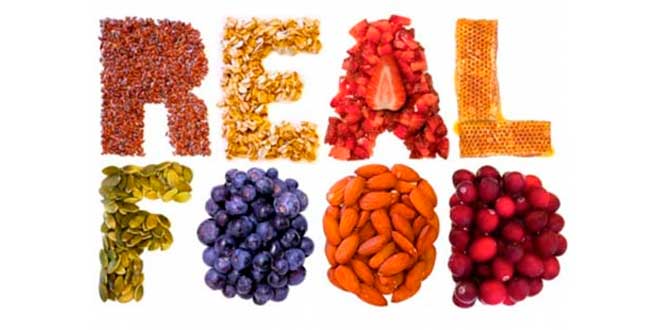
The paleo diet is based on eating “real food,” meaning a healthier and more natural way of eating
Diet Principles
So, the evolutionary diet approach is about using foods that promote:
- A steady blood sugar level,
- Good digestion, and
- Overall health.
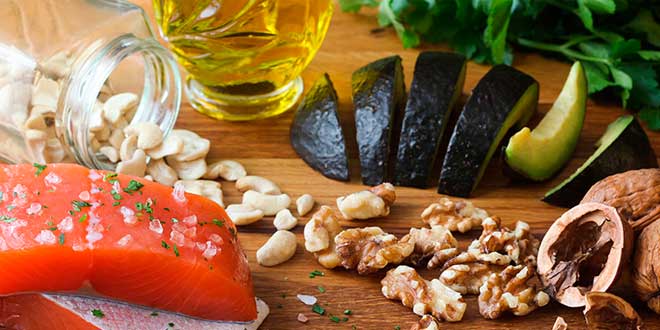
Healthy proteins and fats alongside vegetables
Adapting the Paleo Diet Base
It’s not about a list of forbidden and allowed foods
People interested in following the paleo diet understand why some foods are better for their health and which aren’t, and from there, try to get as close as possible to this ideal model.

Based on this info, many people with different nutritional needs adapt the paleo base that promotes real food to fit their demands
Nutrition Pyramid
This image perfectly describes the essence of the paleo diet:
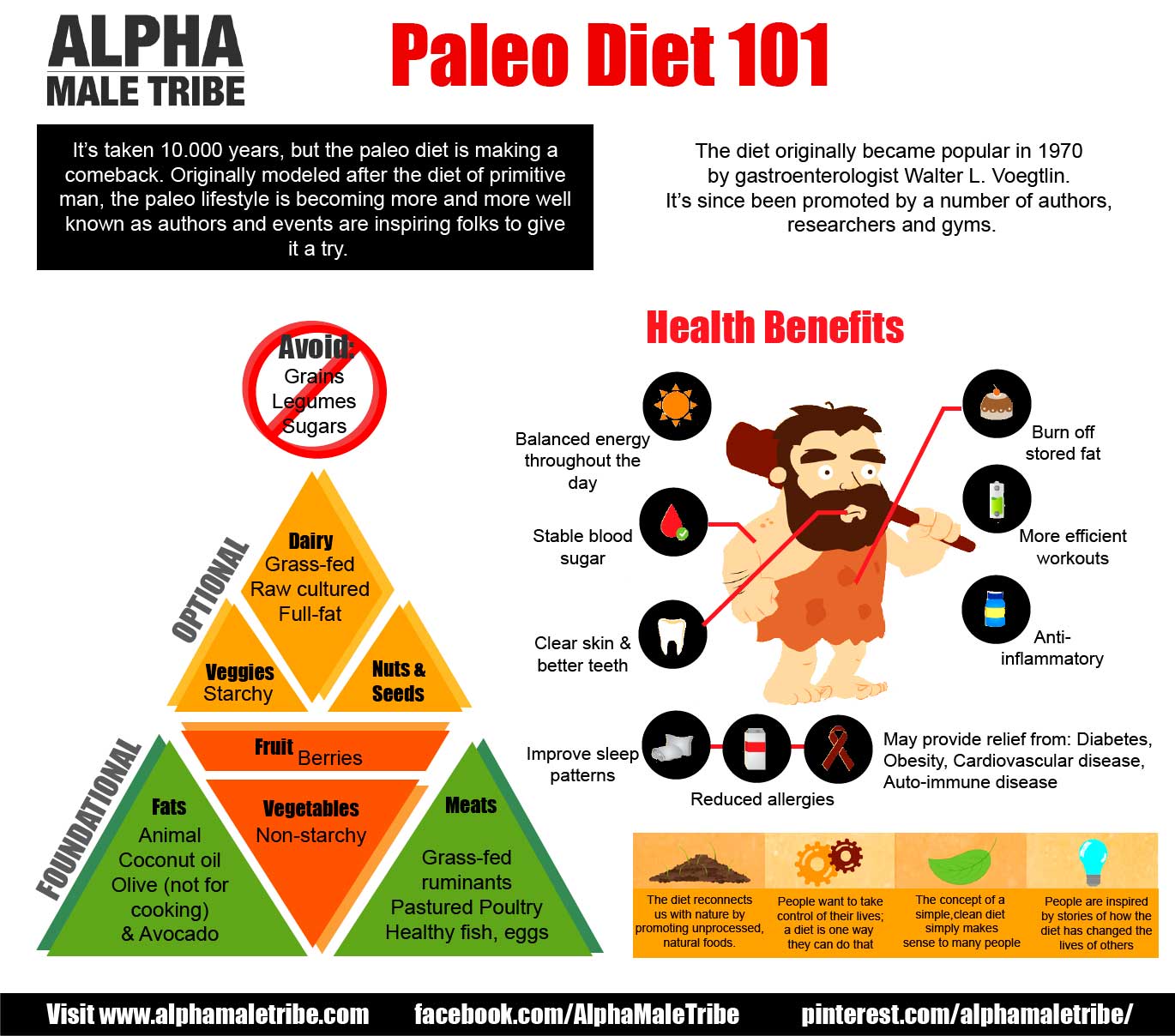
Base of the pyramid
Proteins
- Meats from animals raised outdoors to avoid antibiotics and higher toxin levels in their fats caused by an unnatural life.
- Eggs from free-range hens. These have better nutritional profiles than cage-raised hens.
- Fish, preferably wild-caught rather than farmed, for the same reasons mentioned above.
Vegetables and Greens
- Vegetables: mostly non-starchy veggies (excluding potatoes, sweet potatoes, yuca, plantain…)
- Low-sugar fruits like berries: blueberries, blackberries, raspberries…
Quality Fats
- From less lean cuts of meat from animals.
- Quality oils, like coconut oil or virgin olive oil.
- Foods naturally high in healthy fats: like avocados.
Second tier
After building a solid, nutrient-rich base, another level is added to consider, though it’s not the diet’s foundation, to consume in smaller amounts.
- Starchy vegetables: potatoes, sweet potatoes, yuca, plantain…
- Nuts: raw, unsalted, and unroasted.
Foods not recommended
All kinds of cereals
Because they quickly raise blood sugar, and the main goal of this diet is to maintain balanced glucose levels. Plus, they contain gluten which damages our gut lining and beyond heavy digestion can cause diseases.
Legumes
Because they usually contain antinutrients that make them less recommended. Still, many find that cooking them at high temperatures after soaking removes antinutrients and allows including legumes in their diet.
Diet adapted to improve health
In summary, based on real food, there are even more flexible areas like dairy, legumes, and some foods like rice or gluten-free pseudo-cereals that can be included in this eating framework depending on the person.
It’s proven that this type of eating that steers clear of processed food and promotes real food helps reduce risks of diabetes, obesity, cardiovascular diseases, and autoimmune diseases.
Even without being a nutritionist, doesn’t it make sense to go back to the food we’ve always eaten? Isn’t that what our body expects as fuel?
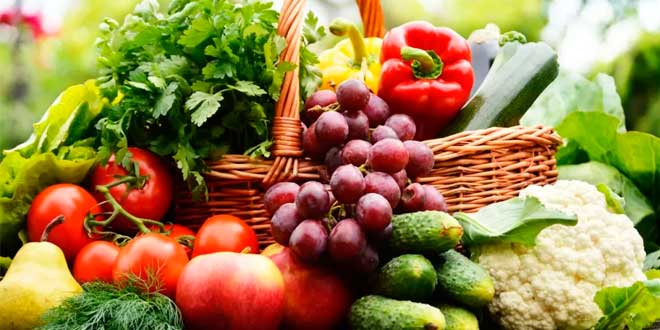
More and more people are joining the paleo movement, “Real Fooders”
Related Posts
- Paleo Diet - Everything You Need to Know
- Example Diet for Definition
- Real Food: What It Is, Benefits, Why It’s the Healthiest Option
- Whole30 Diet: 30-Day Healthy Food Challenge
- 7 Reasons to Avoid Processed Food