Fitness, Nutrition, Health and Sports Blog In the HSNstore Blog you will find tips about Fitness, sport in general, nutrition, and health – HSNstore.com

Are Saturated Fats Really That Bad?
We’re talking about Trans fats and Saturated fats, which are the main target for anyone who thinks that to reduce body fat you have to cut down or eliminate them… which is a bit unfounded…
The Importance of Fat
Despite that, evidence shows the important role fat plays in any healthy diet
Fats provide a source of energy, as well as essential fatty acids. However, there are different types of fats in our foods, often labeled as “good” fats and “bad” fats, with the latter linked to increased LDL cholesterol and risk of heart problems. But, what’s the real deal here?…
- Are these bad fats really that harmful to health?
- What effects do they have on the human body?
- Which foods are high in bad fats?
- How much should we take daily of each? None at all?
What Are Saturated Fats?
The term “saturated” relates at the molecular level to the number of double bonds a fat molecule has. So, saturated fats are a type of this macronutrient whose molecules have the characteristic, unlike other types, of having no double bonds (monounsaturated fats have one double bond, and polyunsaturated fats have two or more).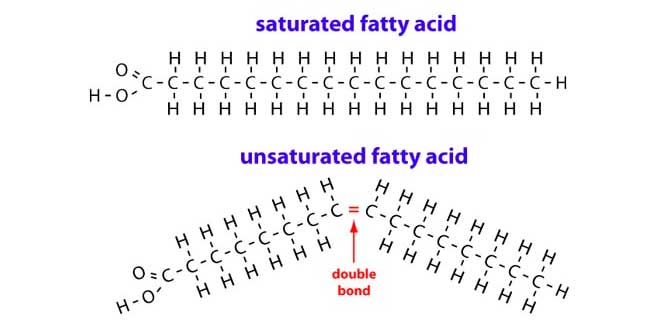
Source: http://courses.washington.edu/conj/membrane/fattyacids.htm
Actually, fats are a mix of different fatty acids, meaning no fat is purely saturated or unsaturated. A saturated fat stays solid at room temperature (butter), while unsaturated fats (like olive oil) remain liquid.
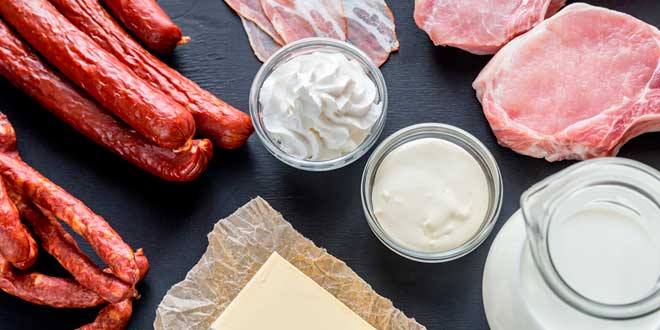
Like all fats, they provide 9 kcals per gram, so they’re very energy-dense nutrients
Types of Saturated Fats
Within the saturated fat group, we can find the following subdivisions:
- Palmitic acid: found in palm and coconut oil
- Stearic acid: found in beef, pork, lamb
- Butyric acid: found in butter
- Arachidic acid: found in peanuts
Foods with Saturated Fats
Some of the most common food sources containing this type of fat are:
- Fat found in animal meats
- Oily fish
- Eggs
- Full-fat dairy (cheese, butter, ghee, cream…)
- Coconut oil and palm oil
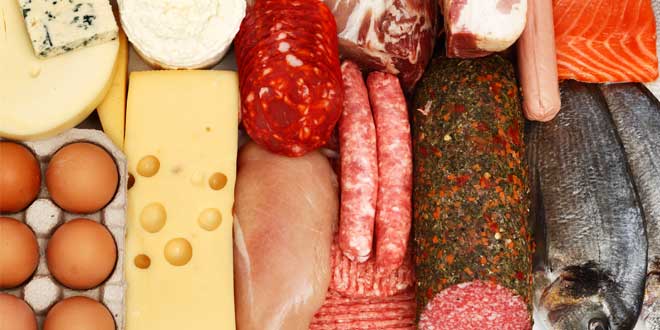
At first glance, these foods shouldn’t be cut out or labeled as forbidden
Are Saturated Fats Bad?
Saturated fat doesn’t harm health
Popular belief has labeled saturated fats as “bad” without solid justification, beyond data from populations with unhealthy habits (poor diet, sedentary lifestyle, smoking, …), who also consumed these fats and showed risks and damage.
Saturated fat doesn’t clog arteries: coronary heart disease is a chronic inflammatory disease, whose risk can be effectively reduced by healthy lifestyle interventions
So, analyzing athletes (or people who simply maintain habits considered healthy, and I think everyone knows what those are… and if not, there are plenty of pros ready to help) and their consumption of these fats, the same risks don’t appear. So… what’s the difference and why are they harmful in some cases but not in others?
- Eat “real food”
- Quit smoking and alcohol
- Consider stress reduction (cortisol)
- Regular physical activity

Practice healthy habits
Choose natural sources
It’s important to mention it’s not just the type of fat, but the source. And here, it’s not the same to eat animals fed on pasture as those caged or subjected to “fast fattening” treatments with drugs. Here the healthy issue changes, and the benefit or harm of the fat itself isn’t even debated.

Investing in quality food is investing in health…
What Are Trans Fats?
Also known as hydrogenated fats, due to the industrial process they undergo
In this process, usually vegetable oils are combined with hydrogen molecules. This makes the fat more solid, and manufacturers seek products that last longer, at the cost of subjecting them to these conditions.

The worst thing you can eat, Trans fats, better ditch them from your menu…
Trans Fat Molecule
Trans fats have a molecular structure where hydrogen atoms are on opposite sides of the double bonds. Unlike saturated fats, which have no double bonds, unsaturated fats have at least one.
This double bond can be configured as “cis” (same side) or “trans” (opposite side), referring to the position of hydrogen atoms around the double bond.
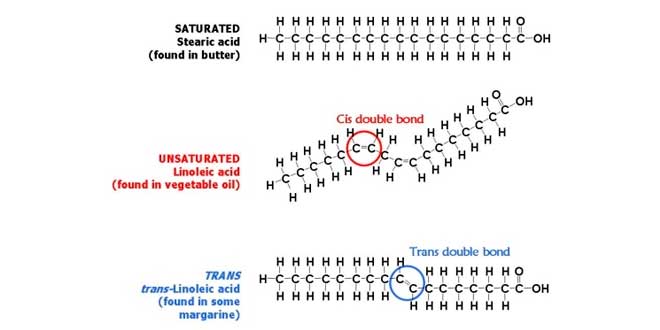
Source: http://chemistrybasics.edublogs.org/2007/02/16/trans-fats/
Foods Rich in Trans Fats
The most common sources of this type of fat are mostly those on the list:
- Fried foods
- Processed food
- Fast food
- Typical snacks
- Industrial pastries
- Most industrial desserts
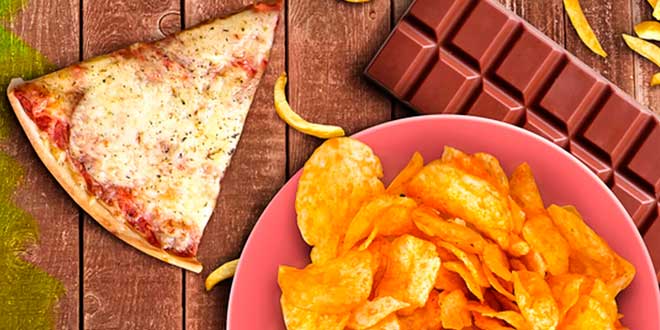
All that food you really crave anytime, but that craving is inversely proportional to its nutritional value ;(
Watch Out for Hidden Trans Fats
This is something to keep in mind: even if you read the product’s label and it doesn’t mention Trans fats, they might still be present. Is that cheating? Manufacturers rely on “rounding.” So, if a food contains 0.4999 grams of Trans fat per serving, the label will say:
Total Trans fats: 0 grams ?
So, if you have several servings of that food, which does contain Trans fats, you’re consuming these “bad” fats. The solution? Check the ingredient list, and if you see anything like “hydrogenated” or “partially hydrogenated,” you know to leave that product on the shelf.
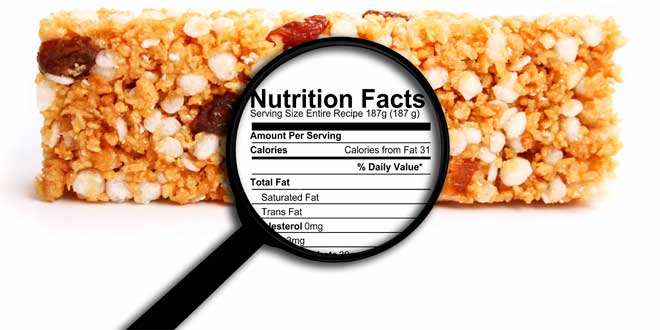
Always read the Nutritional Information, better safe than sorry…
What’s the Relationship Between Fat Consumption and Cholesterol?
Hypercholesterolemia
It’s good to care about your cholesterol levels, but it’s not a decisive cardiovascular risk factor. High cholesterol levels aren’t considered a medical condition by themselves, and opinions vary on when cholesterol is high. 
So, hypercholesterolemia is just one risk factor, but alone, it doesn’t tell us much
Why Do We Have High Cholesterol?
The negative connotation of Saturated fats comes from old research showing a correlation between these fats and increased cholesterol, and higher heart attack risk…
However, as shown, the reasons for cholesterol increase have two fronts:
- Congenital factor (also called familial cholesterol) and
- Lifestyle (diet+exercise, also called non-familial cholesterol).
It Wasn’t the Fats’ Fault…
Nowadays, it’s considered that some saturated fatty acids might not be “to blame” after all
For people who don’t exercise and lead a sedentary lifestyle, general recommendations about fats should be supervised, but for athletes, consuming this type of fat can even boost their performance.
Looks like what we were told decades ago wasn’t entirely true. That’s also where the “High Carb Low Fat” recommendations come from, and how well that worked for society…
Which Fats Should We Avoid at All Costs?
The worst fat is, without a doubt, Trans Fat, a byproduct of a process called hydrogenation used in industry to turn healthy oils into solids, drastically increasing shelf life.
Dangers of Trans Fat
As research shows, eating foods rich in trans fats increases LDL (“bad”) cholesterol buildup in the bloodstream and lowers HDL (“good”) cholesterol.
This fat contributes to inflammation, linked to worsening health markers, and causes high risk of heart disease, stroke, diabetes, chronic diseases, and some cancers…
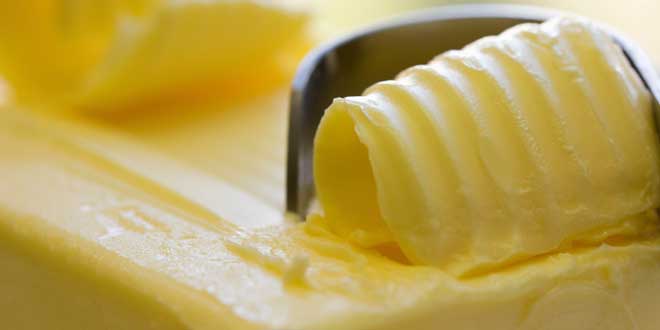
A clear example of “industry power”: making you swap butter (saturated fat) for margarine (trans or partially hydrogenated fat) making you think it’s healthier…
Are All Trans Fats Bad?
The answer is NO. There are Natural and Artificial Trans Fats. The latter should be wiped off the map…
Natural ones are found in animals and dairy, especially ruminants, like cattle, sheep, and goats, and form when bacteria in the animal’s stomach digest grass.
So, we find Conjugated Linoleic Acid or CLA, a trans-rumenic acid abundant in grass-fed meat and dairy, and to a lesser extent in grain-fed products.
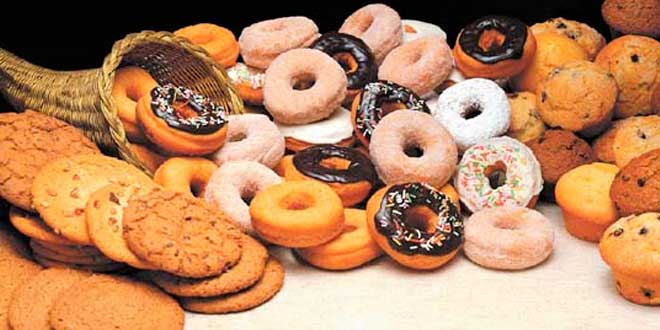
Although humans have been consuming natural trans fats for a long time, the same is NOT true for artificial trans fats… which are seriously harmful and damaging to health
Conclusions
From this article, I hope the myth linking saturated fats with bad habits has been busted, as we’ve shown, and replacing their consumption with a high-carb diet.
That doesn’t mean you should rush to buy bacon… but rather know how to value and not be influenced by info serving other interests. Saturated fats are just one piece of the nutritional puzzle, along with other types like unsaturated fats (mono and polyunsaturated, the latter including omega-3s).
The fact that reducing saturated fat intake led to increased carb consumption, a nutrient with benefits or harms depending on the person, was overlooked years ago, and is now causing a big nutritional mess in today’s society
As with any nutrition issue, we have to adapt individually, and since health starts with nutritional habits, we stress consulting professionals if you don’t know what’s best or necessary for you.
Trusting scientific evidence will surely be much more important and decisive for health than listening to celebrities advertising “good and healthy” products
Related Posts
- How Much Fat Do You Need?
- How to Know if Your Cholesterol Is Right
- Sedentary Lifestyle Kills
- Are All Low-Fat Foods Healthy?
- Do Fats Make You Fat?