 Fitness, Nutrition, Health and Sports Blog In the HSNstore Blog you will find tips about Fitness, sport in general, nutrition, and health – HSNstore.com
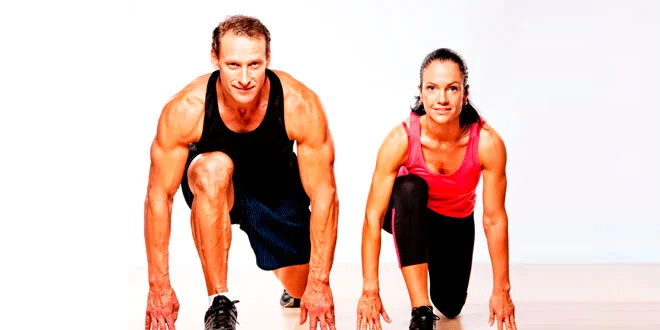

Body image can be defined as the internal representation a person has of their outer appearance. It’s made up of four dimensions:
- Perceptions,
- Thoughts,
- Feelings, and
- Behaviors
And it shouldn’t just refer to physical appearance, but also biological integrity and the presence of health or illness.
People have an innate desire to self-evaluate by comparing themselves to others. If someone looks at their body based on how others see it, and this differs from a socially approved stereotype, they internalize the external sexual image and are likely to see their body as an object; a factor potentially linked to body dissatisfaction.

In the world of sports and physical activity, body image and related concepts become especially important, since participating in sports has a notable influence on them. If we analyze the relationship between social physical anxiety and exercise, we find a similar thought pattern across genders:
- Women focus on aspects related to weight and sexual attractiveness, associating greater thinness with these two traits.
- For men, something similar happens with increased muscle mass.
An important factor in perception is television, as it correlates with the ideal body image in such a way that hours spent watching TV and reading fashion magazines predicted dissatisfaction with body image, especially among teens and young adults. Since time spent on these activities tends to be higher in those who don’t exercise, sedentary people experience higher levels of social physical anxiety than active people.
Could physical exercise be negative?
Many authors, especially since the 90s, suggest that physical exercise can promote dissatisfaction with body image for two reasons: physical appearance or physical performance of the activity done. People who exercise regularly usually have an ideal body image that’s hard to reach and are more aware of their own image.
This dilemma arises from the reasons behind the practice; as we’ve mentioned in other articles, prioritizing health or aesthetics, one over the other, can shape self-satisfaction and personal happiness:
- People who exercise to lose weight or improve their attractiveness have higher dissatisfaction with their body image and low self-esteem. These are generally young women who also don’t improve with practice.
- On the other hand, people who do physical activity for health and enjoyment have high satisfaction with their body and tend to be mature men and women.
So, it’s clear that to get better improvements in body image perception, health should be prioritized over body aesthetics. Doing both aerobic and anaerobic exercise, if well structured, will help reduce body fat percentage, increase energy expenditure—not only from physical activity but also at rest, since muscle mass directly relates to daily energy expenditure at rest.
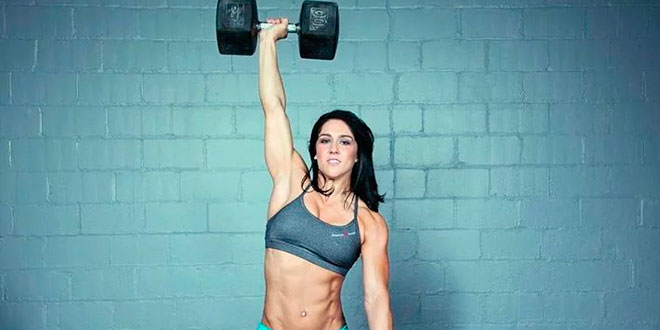
Influence of the sports practice location
The gym is seen by a large percentage of attendees as a leisure place where the high number of people with common or similar goals causes excessive social comparison due to the continuous self-evaluation need we mentioned earlier.
Again, women seem to be the most concerned because of the presence of men and the body being the central focus providing the most relevant information in a gym. Psychological factors and emotional maturity are important when addressing the solution, and although from what we’ve been saying it might seem that women are especially “victims,” they themselves show a greater preference for a male and slim instructor, according to surveys.
Of course, trainers and instructors should practice what they preach:
- Good physical shape,
- enthusiasm, and
- pursuit of health above any other goal.
But the quote from the previous paragraph rates a good-looking trainer who promotes aesthetics as the main goal more positively than a trainer with less striking physical features but extensive training and health knowledge.
No obsession: with sense, calm, and enjoying it
Without obsessing over physical appearance, training should be understood as a lifestyle habit that also shows greater long-term improvements in body image in women than men because women are more prone to body image disorders.
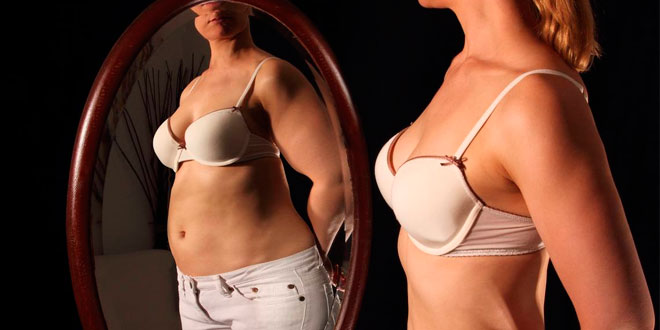
Emotional maturity is key, as greater self-perception effects have been found in older populations than in younger ones.
Body dissatisfaction while being healthy? It can happen, of course; but being aware that obsession with self-satisfaction is worse than any other physical flaw you might think you have. Probably, the biggest sign of maturity is valuing yourself regardless of physical appearance, as long as it’s healthy.
Sources
- Martínez, J. G., Robles, Á. S., & Ozcorta, E. J. F. (2014). Body image in fitness centers: a problem to address. E-motion: Journal of Education, Motricity and Research, (3), 155-167.