 Fitness, Nutrition, Health and Sports Blog In the HSNstore Blog you will find tips about Fitness, sport in general, nutrition, and health – HSNstore.com
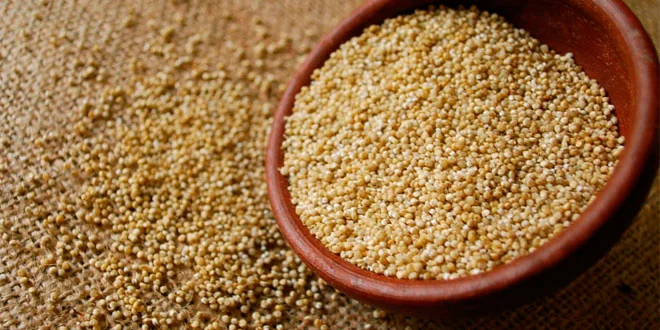

Amaranth, also known as “huautli,” is a plant belonging to the amaranthacea family. This species started being cultivated in America over 7,000 years ago by the indigenous Maya people, who considered it a sacred plant because of its many properties. Nowadays, it’s grown not only in American countries like Mexico, Peru, Bolivia, and even the US, but also in China and India.
You can make use of both the grain and the leaves of the amaranth plant. The leaves, besides being an excellent source of protein, also contain a good amount of provitamin A and vitamin C, along with minerals like calcium, iron, and magnesium.
On the other hand, the seed (considered a pseudocereal due to its cereal-like characteristics) also has a high protein content, enough to cover a big part of the recommended daily intake. In fact, the protein value of amaranth grain is even higher than that of other conventional cereals like wheat or rice, and unlike those, it also contains lysine, an essential amino acid for life.

Benefits of amaranth
Besides being a key source of plant protein, very important for vegan athletes, amaranth grain also contains calcium, folic acid, iron, phosphorus, vitamins A, B, C, B1, B2, and B3. Thanks to its nutritional properties, this plant species is used to prevent and help treat a wide range of conditions like osteoporosis, diabetes, obesity, hypertension, and constipation. Amaranth is also highly recommended in gluten-free diets due to its significant supply of amino acids and plant protein, nutrients that can be scarce in people with this condition because of restricted foods.
Moreover, more and more studies agree that amaranth seed contains several components (including squalene) that could help prevent cancer. Also, this grain has a very high percentage of oleic acid and linoleic acid, fats that can reduce cholesterol and are therefore essential in preventing and treating cardiovascular diseases.
How to consume it
Remember that to get the most out of any seed’s nutrients, you should first grind them with a mortar or a grinder (a coffee grinder works fine). It’s always better to add them raw to your meals, not cooked and definitely not fried, since they can lose their nutritional properties during cooking.
Amaranth seeds – like any other seeds – can be eaten daily without any problem. Except for people prone to forming kidney stones, amaranth grain is an essential food that can regulate your body and give it energy.
To keep it in perfect condition, it’s best to separate it from other seeds to avoid spoilage if one goes bad. Ideally, store it in the fridge, since heat activates its oil and speeds up the rotting process.
Amaranth recipes
Amaranth pasta
Ingredients:
- A package of pasta noodles of your choice
- A cup of natural tomato sauce, preferably
- 100 grams of amaranth seeds
- 100 grams of sesame seeds
Preparation:
Cook the pasta as you usually do and season it with the tomato sauce. When serving, sprinkle the amaranth and sesame seeds on top.
Tomato rolls with amaranth seeds
Ingredients:
- 18 corn tortillas
- ½ kg of lean pork or chicken breast
- ½ onion
- 4 ripe tomatoes
- 1 garlic clove
- 1 cup of natural unsweetened yogurt
- 1 cup of hot rice milk
- 1 cup of amaranth seeds
- Fresh cheese, oil, and sea salt
Preparation:
Blend the tomato and garlic clove together with the onion, all previously roasted. Add salt to taste. In a hot pan with a little oil, lightly fry the tortillas (one by one) and add some tomato sauce to each. Put cheese in the middle and sprinkle amaranth seeds. Roll up the tortilla and cook until the tomato dries out. When you have three rolls ready, place them on a plate, pour a bit more sauce and some natural unsweetened yogurt on top. Sprinkle amaranth generously.
You can add ground amaranth to smoothies to boost their nutritional value, plus it gives a thicker texture and a unique nutty flavor. You can also try coating cookies with amaranth grains to give them a crunchy texture. Likewise, you can add it to soups and broths, mixed vegetable salads, or even fruit salads.